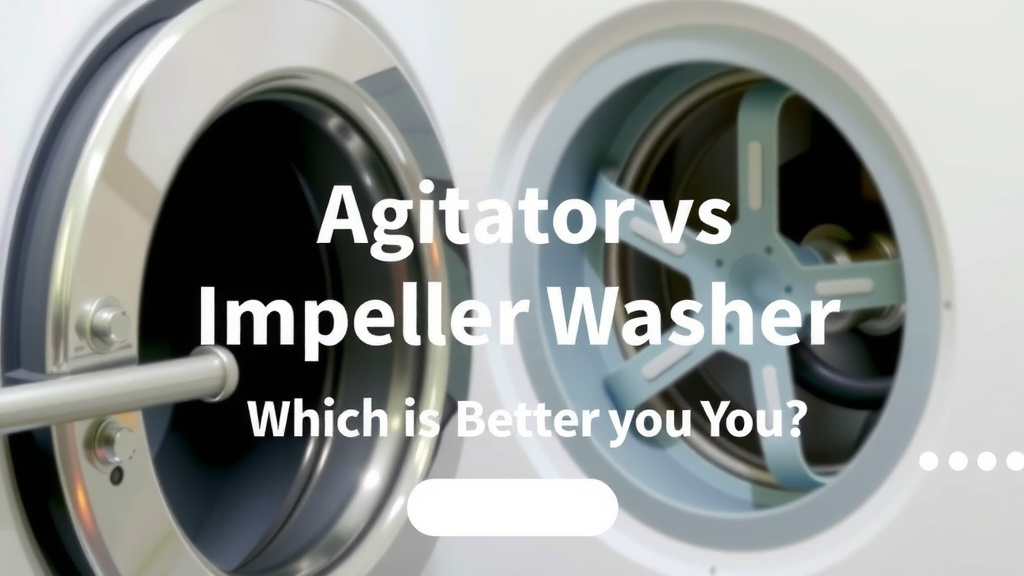
Agitator vs Impeller Washer: Which is Better for You?
When deciding between an agitator and an impeller washer, understand that impeller washers are generally better for your clothes and offer more capacity. While agitator models provide a robust clean for heavily soiled items, they can be tougher on fabrics. The impeller design uses a low-profile cone or disc to move clothes gently through the water, making it a gentler and more efficient choice for everyday laundry needs.
Choosing the right washing machine type depends on your priorities. If you need to wash larger loads and want to protect your garments from wear and tear, an impeller model is likely your best bet. For those who often tackle very dirty work clothes or bulky items and prefer a traditional wash action, an agitator machine might still be appealing, but be aware of the potential for increased fabric strain.
- Impeller washers are gentler on clothes.
- They typically offer a larger wash capacity.
- Agitator washers use a central post for a powerful clean.
- Agitator models can be harder on fabrics.
- Consider your laundry needs and fabric care preferences.
Let’s break down the key differences between agitator and impeller washing machines so you can make the best choice for your home. Let’s break down the key differences between agitator and impeller washing machines, and then explore how much they cost.
Agitator vs. Impeller Washers: Which Is Right for You?
When it comes to getting your laundry clean, the type of washing machine you use makes a big difference. You’re probably wondering about the core difference between those machines with the tall post in the middle (agitators) and the ones without it (impellers). Both aim to clean your clothes, but they go about it in distinct ways, and one might be a better fit for your household. Let’s explore!
Understanding the Agitator Washing Machine
Think of the agitator washer as the classic workhorse. It’s been around for ages and many of us grew up with one in our homes. It uses a central post, the agitator, that twists and turns to move clothes around in the wash water. This motion is designed to create friction between garments, helping to scrub away dirt and grime.
How an Agitator Works Its Magic
The agitator’s fins or blades grab onto your clothes. As it spins back and forth, it pushes and pulls your laundry. This action forces water through the fabric. Many people find this vigorous cleaning method effective for heavily soiled items. It’s like a mini scrub brush for your entire load. You’ll often find these in top-loading machines.
The Upsides of Agitator Machines
The primary benefit of an agitator is its powerful cleaning action. For tough stains and deeply embedded dirt, this design excels. If you frequently deal with muddy work clothes, grass stains, or other stubborn messes, an agitator can be a real hero. They are often a bit simpler in design, which some people prefer for ease of use.
Potential Downsides to Consider
While powerful, the agitator’s aggressive cleaning can sometimes be too much for delicate fabrics. The constant twisting and rubbing can cause wear and tear on your clothes over time. You might notice clothes stretching, snagging, or fading faster. Also, agitator machines typically have less capacity than their impeller counterparts because the agitator takes up valuable space in the drum.
Exploring the Impeller Washing Machine Design
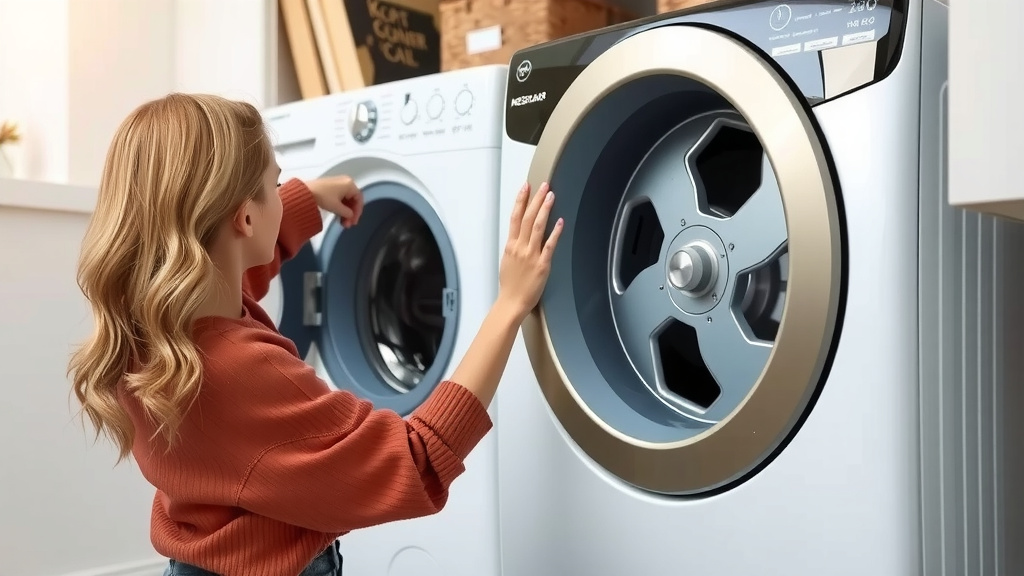
Now, let’s look at the impeller washer. These machines have become increasingly popular, especially in top-loading models. Instead of a central post, they feature a low-profile cone, disc, or set of small blades at the bottom of the drum. This component is the impeller.
The Impeller’s Gentle Approach
The impeller works differently. It spins and moves water around the drum, creating currents that gently tumble your clothes. Think of it more like a gentle swirl or massage rather than a vigorous scrub. This method still cleans effectively but is much kinder to your fabrics. It allows for more items to be washed at once because there’s no large agitator in the way.
Benefits You’ll Appreciate
The biggest advantage here is fabric care. If you’re washing a lot of everyday clothes, delicates, or items you want to last longer, an impeller is your friend. The gentler washing action helps preserve the integrity of the fibers. Plus, as mentioned, the lack of a central agitator means you can fit more laundry into a single load. This can save you time and energy in the long run.
What to Expect from Impeller Models
While they excel at gentle cleaning, some people wonder if impeller machines can handle really tough stains as well as agitators. Many modern impeller models use advanced wash actions and higher water levels to compensate. They are designed to provide a thorough clean without the harshness. You’ll also find that most impeller machines are more energy and water-efficient.
Key Differences Summarized for Your Convenience
To help you visualize the choice, let’s lay out the main distinctions. Knowing these points can make your decision much clearer. It really comes down to what you prioritize most in your laundry routine.
| Feature | Agitator Washer | Impeller Washer |
|---|---|---|
| Cleaning Action | Vigorous scrubbing with a central post | Gentle tumbling with water currents |
| Fabric Care | Can be tough on clothes; potential for wear | Much gentler; preserves fabric integrity |
| Capacity | Typically smaller due to agitator | Generally larger; more items per load |
| Best For | Very heavily soiled items, tough stains | Everyday laundry, delicates, larger loads |
| Water Usage | Often uses more water | Generally more water-efficient |
Making the Right Choice for Your Household
So, what’s the verdict for your laundry room? The answer truly lies in your personal needs and preferences. Do you often find yourself battling dried-on mud or grease? An agitator might serve you well. However, if you’re looking to protect your wardrobe, wash larger loads efficiently, and opt for a gentler, more modern approach, an impeller washer is likely the better path.
Many laundry experts suggest that for the average household, an impeller model offers a superior balance of cleaning power and fabric care. You get a clean wash without subjecting your clothes to unnecessary stress. Think about your typical laundry basket. What kind of items make up the bulk of your washes? That’s your biggest clue!
Quick Checklist for Your Decision
To wrap things up, ask yourself these quick questions:
- Do I wash lots of very dirty clothes?
- Is protecting my clothes from damage a top priority?
- Do I often have large loads to wash?
- Do I prefer a more energy-efficient machine?
- Am I okay with a slightly different wash cycle than what I’m used to?
By considering these points, you’ll be well on your way to selecting the washing machine that best suits your home and your laundry.
Conclusion
Ultimately, the choice between an agitator and an impeller washer comes down to your laundry priorities. For everyday washing and protecting your clothes, impeller models shine with their larger capacity and gentler action. They’re often more water and energy-efficient too. If you frequently wash heavily soiled items, an agitator still offers a powerful clean, but be mindful of the extra wear on your fabrics. Consider what goes into your laundry basket most often to make the best decision for your home.
To make your final choice, think about whether gentle fabric care and load size are more important than tackling the toughest stains with maximum force. Most modern households will find an impeller washer a superior, all-around performer.
Frequently Asked Questions
Can an impeller washer really get my clothes clean?
Yes, impeller washers are designed to clean clothes effectively. They use water currents and tumbling motions to move clothes through the wash water. Many newer models feature advanced wash cycles to ensure a thorough clean without the need for an agitator.
Will an agitator washer damage my delicate clothes?
While agitator washers provide a powerful clean, their vigorous scrubbing action can indeed cause wear and tear on delicate fabrics over time. You might notice stretching, snagging, or faster fading. It’s best to use a delicate cycle or opt for an impeller washer for these items.
Which type of washer is better for large families or big households?
Impeller washers are generally better for large families. Their design allows for a larger capacity, meaning you can wash more clothes in a single load. This can save you time and make laundry day more efficient when dealing with a constant stream of laundry.
Are impeller washers quieter than agitator washers?
Impeller washers tend to be quieter than agitator washers. The absence of a large central agitator and the gentler washing action often result in less noise and vibration during the wash cycle. This can be a significant benefit, especially if your laundry room is near living areas.
What if I have both heavily soiled clothes and delicate items to wash?
If your laundry needs are mixed, consider your most frequent wash type. For most households, an impeller washer offers a good balance. You can often use specific cycles or mesh bags for delicates within an impeller machine. If heavily soiled work clothes are a daily occurrence, an agitator might be better, but you’ll need to be extra careful with other items.