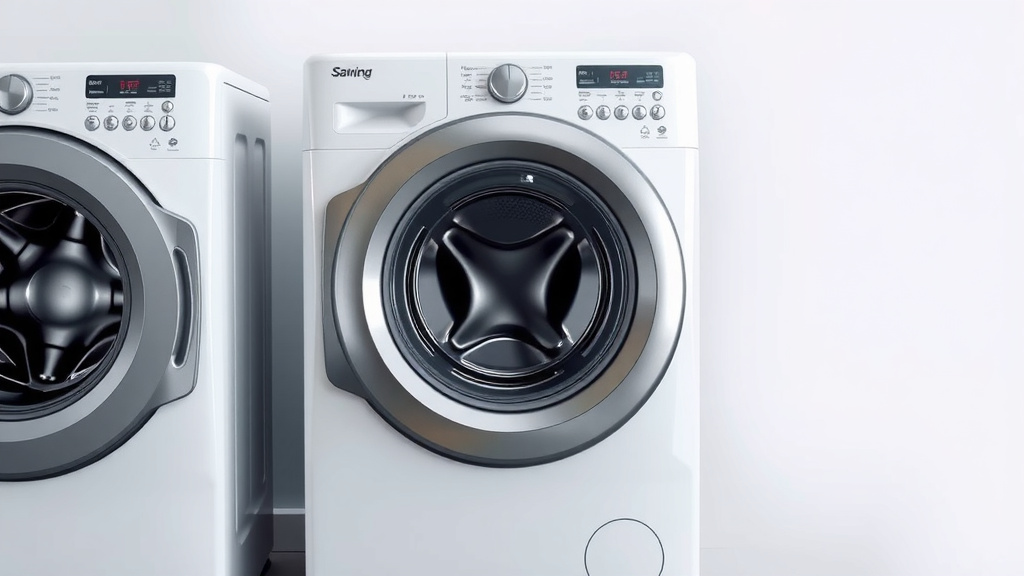
Washing Machine Sizes: What Size Is Right for You
Washing machine sizes vary widely, typically ranging from compact models holding about 2 cubic feet to large-capacity machines around 5 cubic feet or more. The best size for your home depends on your household’s laundry needs and available space. We found that understanding these dimensions is key to a good purchase.
When considering washing machine capacity, think about how much laundry you do each week. A small family might be fine with a smaller machine, while a larger household will benefit from a bigger drum. Your choice can impact water and energy usage, so it’s good to get it right!
- Washing machines come in various sizes. Our guide to the best-rated top-loading washing machine can help you find a reliable model.
- Capacity is measured in cubic feet.
- Compact models hold around 2 cu. ft.
- Large models can hold 5 cu. ft. or more.
- Match the size to your family’s laundry load.
Let’s break down the different washing machine sizes so you can find the perfect fit for your laundry room.
Understanding Washing Machine Dimensions
When you’re shopping for a new washing machine, you’ll quickly notice they come in a surprising range of sizes. It’s not just about fitting it into your laundry room; the size directly impacts how much laundry you can tackle at once. We found that understanding these dimensions is key to a good purchase.
Capacity Explained: Cubic Feet is Your Friend
Washing machine capacity is measured in cubic feet. This number tells you the internal volume of the drum. Think of it like a suitcase – a bigger suitcase can hold more clothes. We found that larger cubic feet means a larger drum, which can handle bigger loads.
Many manufacturers list this capacity clearly on their product specs. It’s usually a number followed by “cu. ft.” For example, you might see 4.0 cu. ft. or 5.2 cu. ft.
What Does That Mean for Your Laundry?
A higher cubic feet number means you can wash more clothes at once. This is a big deal for busy households. It can mean fewer loads per week. Fewer loads save you time and energy. It’s like getting a bigger basket for your farmer’s market haul.
Common Washing Machine Sizes and What They Mean for You
Washing machines generally fall into a few size categories. Let’s look at what these mean for your laundry needs. We found that choosing the right size can make a noticeable difference in your routine.
Compact Washing Machines: Small Space, Big Impact
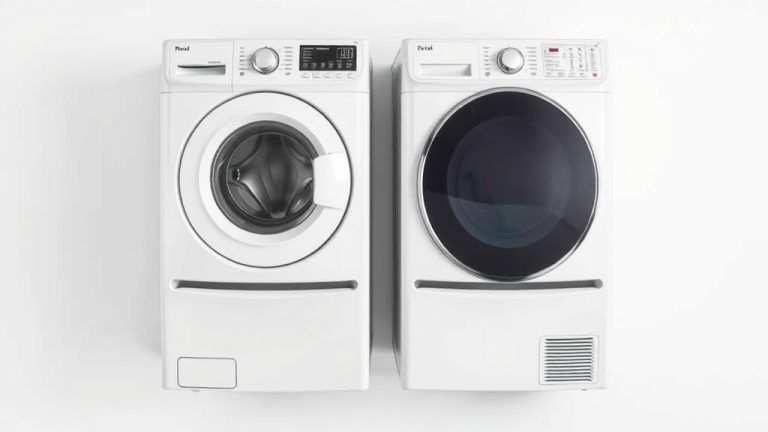
Compact models typically range from 1.5 to 2.5 cubic feet. These are perfect for small apartments, RVs, or homes with limited laundry space. They are often stackable or can fit under a counter. Think of them as your efficient little helpers.
- Ideal for 1-2 people.
- Can handle about 6-8 pounds of laundry per load.
- Great for small, regular loads.
- Often have smaller external dimensions.
If you have a smaller household and don’t produce massive amounts of laundry, a compact machine could be just right. We found that these are surprisingly capable for their size.
Standard (Mid-Size) Washing Machines: The Versatile Choice
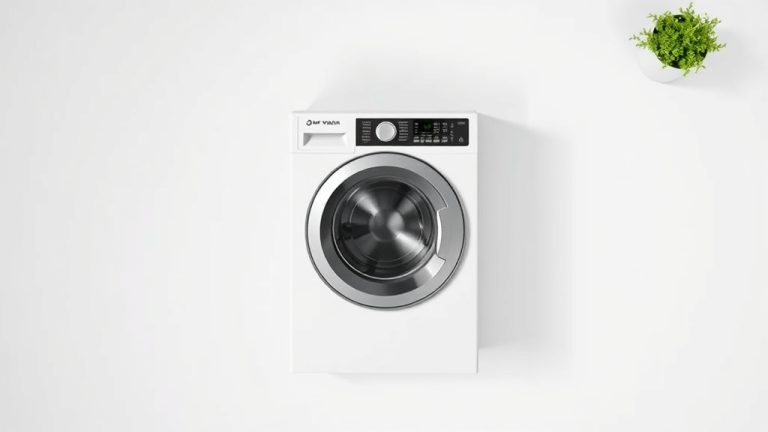
These machines usually have a capacity between 2.5 to 4.0 cubic feet. This is the most common size you’ll see in homes. They offer a good balance between space-saving and load capacity. Many experts say this size works well for families of 3-4 people.
- Accommodates roughly 10-15 pounds of laundry.
- Handles a good mix of everyday laundry needs.
- Fits comfortably in most standard laundry rooms.
- Offers a good range of features and price points.
If your household does laundry a few times a week, a standard-sized washer is likely a solid choice. It can usually handle bedding and towels without issue. We found that this category offers the widest variety of models.
Large-Capacity Washing Machines: For the Serious Laundry Doer
These are the big boys, ranging from 4.0 cubic feet up to 5.5 cubic feet or more. If you have a large family, pets, or just tend to do laundry in bulk, this is where you want to look. Think of them as your laundry workhorses.
- Can hold 15 pounds or more of laundry.
- Excellent for washing bulky items like comforters and blankets.
- Ideal for large families or those who wash infrequently.
- May require more space and higher water/energy usage per load.
While a large-capacity machine means fewer loads, make sure you can fill it appropriately. Washing very small loads in a giant machine can be less efficient. We found that a 5.0 cu. ft. machine can wash a king-size comforter with ease.
| Capacity (Cubic Feet) | Typical Load Size | Ideal Household Size |
|---|---|---|
| 1.5 – 2.5 cu. ft. | Small (6-8 lbs) | 1-2 people |
| 2.5 – 4.0 cu. ft. | Medium (10-15 lbs) | 3-4 people |
| 4.0 cu. ft. and up | Large (15+ lbs) | 5+ people or large items |
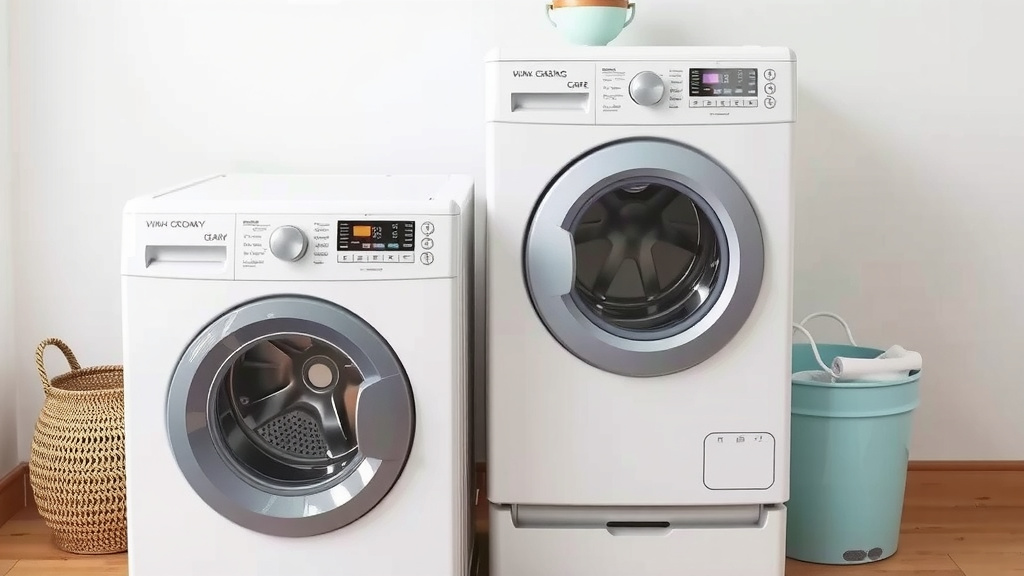
External Dimensions Matter Too!
Beyond the drum size, you need to consider the physical dimensions of the washing machine. This is critical for fitting the appliance into your designated space. Always measure your laundry area before you shop!
Standard Washer Dimensions
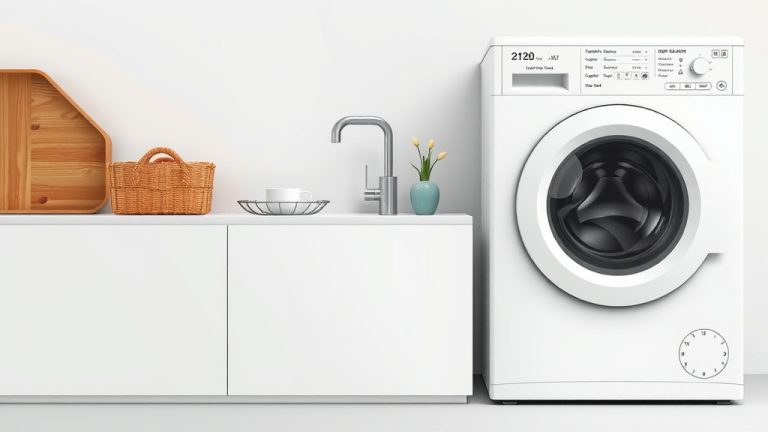
Most standard front-load and top-load washing machines have similar external footprints. You’ll often find widths around 27-29 inches. Depth typically ranges from 30-35 inches, and height can be between 36-40 inches for top-loaders and a bit more for front-loaders when the door is open.
Don’t Forget Installation Space!
It’s not just about the washer itself. You need clearance for hoses, vents, and door swings. Many manufacturers recommend at least 6 inches of clearance behind the machine for airflow and connections (Energy Star). Front-loaders need extra space in front for the door to open fully. Measure twice, buy once!
When Do You Need a Bigger or Smaller Washer?
Your decision really boils down to a few key factors. We found that thinking about your specific laundry habits is the best starting point.
- Household Size: More people generally mean more laundry.
- Load Frequency: Do you do laundry daily or once a week?
- Item Sizes: Do you often wash bulky items like duvets?
- Space Availability: How much room do you actually have?
Consider a smaller unit if you live alone or as a couple and don’t generate much laundry. A mid-size model is a safe bet for most families. Go big if you have a large crew or a lot of bulky items to clean. We found that many consumers regret buying a washer that’s too small for their needs.
Here’s a quick checklist to help you decide:
- Measure your laundry space carefully, including height, width, and depth.
- Factor in space for the door to open (especially for front-loaders).
- Note where water hookups and drainage are located.
- Estimate your weekly laundry volume based on your household size.
- Think about the types of items you wash most often (e.g., towels, bedding).
- Consider your energy and water usage goals.
Conclusion
You’ve learned that washing machine size is more than just a number; it’s about finding the right fit for your life. We found that understanding cubic feet capacity helps you match the washer to your household’s laundry volume, from compact units for singles to large-capacity machines for families. Remember to also measure your physical space, accounting for door swings and necessary clearances. Your next step is to measure your laundry area and consider your typical laundry load. This thoughtful approach will help you select a washer that saves you time and effort for years to come.
Frequently Asked Questions
How do I know if a washing machine will fit in my space?
You’ll need to measure the width, depth, and height of your laundry area. Don’t forget to measure the space needed for a front-loader’s door to open fully, and allow at least 6 inches behind the machine for hoses and ventilation. We found that measuring twice before you buy prevents a lot of headaches.
What’s the difference between front-load and top-load washer sizes?
While capacities can be similar, front-load washers often have slightly larger external dimensions and require more clearance for the door swing. Top-load washers are typically more standard in their external footprint. We found that both types come in a range of capacities to suit your needs.
Can a compact washer handle bulky items like blankets?
Generally, compact washers (1.5-2.5 cu. ft.) are best for small, everyday loads and may struggle with bulky items. Standard or large-capacity machines (2.5 cu. ft. and up) are much better suited for blankets, comforters, and large towels. We found that trying to cram big items into a small machine is rarely efficient.
How much laundry can a 4.0 cubic feet washer hold?
A 4.0 cubic feet washing machine can typically handle about 15 pounds of laundry. This size is excellent for families of 4-5 people or for washing larger items like a king-size sheet set. We found this capacity offers a great balance for many households.
Does a larger washing machine use more water and energy?
A larger capacity washer *can* use more water and energy per cycle if you run small loads. However, if you’re filling it appropriately for larger laundry needs, it can be more efficient by reducing the number of loads you need to do. We found that high-efficiency models are designed to manage water and energy usage well, regardless of size.