Choosing the Right Front Load Washer Size for Your Home
Choosing the right front load washer size is all about matching your laundry needs. A medium-sized washer (4.0-4.5 cubic feet) is perfect for most households with 2-3 people. Larger families or those with bulky items might need a larger capacity (5.0 cubic feet or more) for efficiency.
You don’t want a washer that’s too small, forcing you to do more loads. But a massive one can be wasteful for small amounts of laundry. We found that considering your household size and washing habits is the smartest way to pick.
- Medium washers fit 2-3 people well.
- Large washers handle big families and bulky items.
- Consider your laundry frequency.
- Don’t overbuy if you have light needs.
- Space in your laundry room matters too!
Let’s dive into how to figure out the perfect front load washer size for your home.
Finding the Right Washer Size for Your Home
Picking the perfect size front load washer boils down to a few key considerations. You want a machine that handles your typical laundry loads efficiently. A washer that’s too small means more trips to the laundry room. A washer that’s too large might waste water and energy on small loads.
Understanding Washer Capacity: Cubic Feet Explained
When you look at front load washers, you’ll see their capacity listed in cubic feet. This number tells you the volume of the drum inside the machine. Think of it like the size of a suitcase – a bigger suitcase can hold more clothes.
Common Washer Capacity Ranges
Most front load washers fall into a few general categories. These ranges help you quickly narrow down your options based on your household size.
- Compact Washers: Typically under 3.5 cubic feet. These are great for small apartments or very light laundry needs.
- Standard/Medium Washers: Usually between 4.0 and 4.5 cubic feet. This is the sweet spot for many families.
- Large Capacity Washers: Often 5.0 cubic feet and above. These are built for bigger households or specific washing needs.
How Many Cubic Feet Do You Really Need?
Let’s break down how to match capacity to your life. Many experts suggest a simple rule of thumb based on the number of people in your home.
For the Solo Dweller or Couple
If you live alone or with just one other person, you probably don’t need a massive machine. A compact or standard-sized washer should be more than enough. You’ll likely do laundry once a week. Less frequent, smaller loads mean a smaller machine is perfectly fine.
For Small Families (3-4 People)
This is where the medium-sized washers really shine. A capacity between 4.0 and 4.5 cubic feet is generally ideal. You can easily fit a week’s worth of clothes for everyone. This size balances efficiency with enough space for typical family wash days.
For Larger Families or Active Households
Got a bustling house with 5 or more people? Or maybe you have teenagers involved in sports? In that case, you’ll want to look at larger capacity washers. A capacity of 5.0 cubic feet or more will save you time. You can wash more in a single load, reducing your laundry day frequency.
Beyond Household Size: Washing Habits Matter
Your household size is a big clue, but how you actually do laundry is just as important. Do you wash everything together, or do you separate colors, delicates, and heavy items?
Consider Bulky Items
Do you frequently wash bulky items like comforters, blankets, sleeping bags, or large pet beds? If so, you’ll need a washer with a generous drum size. Even if you only have a few people in your home, washing a king-size comforter requires more space than a load of t-shirts.
We found that a common mistake is buying a washer that’s too small for these specific items. Then, you’re stuck with having to take them to a laundromat. This can be a real hassle and adds extra cost.
Washing Frequency and Load Size
Think about how often you do laundry. If you prefer doing small loads daily, a smaller machine might work. However, most people find it more efficient to do one or two larger loads per week. If you fall into the latter group, a larger capacity washer will likely be your best friend. It helps consolidate your laundry tasks.
Space Constraints: Measuring Your Laundry Area
Before you fall in love with a washer, measure your space! This is a step many people forget. You need to ensure the washer will not only fit but also operate properly.
Washer Dimensions and Clearance
Front load washers have standard dimensions, but there’s still variation. Always check the width, depth, and height of the machine. You need to account for doors opening, hoses, and ventilation. Many experts recommend leaving at least 6 inches of clearance behind the washer for hoses and airflow (Cleveland Clinic).
Don’t forget to measure the doorways and hallways the washer needs to pass through to get to your laundry room. A large capacity washer might be too big to even get into your home!
Stacking Options
If space is really tight, consider a front load washer and dryer that can be stacked. This vertical arrangement saves a lot of floor space. Just ensure your chosen models are designed for stacking and that you have the proper stacking kit.
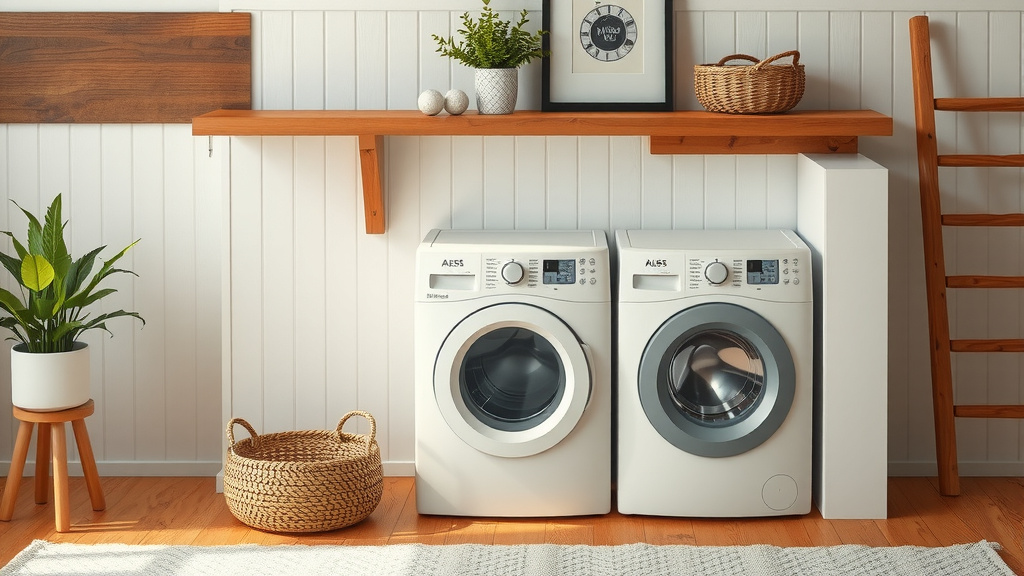
A Quick Guide to Washer Capacity and Your Household
Here’s a simple table to help you visualize the typical needs. Remember, these are general guidelines, and your specific habits might shift things slightly.
| Household Size | Recommended Capacity (Cubic Feet) | Typical Use Case |
|---|---|---|
| 1-2 People | 3.5 – 4.0 | Small loads, weekly laundry, no bulky items. |
| 2-3 People | 4.0 – 4.5 | Standard family laundry, comfortable for most households. |
| 4+ People or Bulky Items | 4.5 – 5.0+ | Large family loads, frequent bulky item washing, efficiency. |
Your Laundry Needs Checklist
To make sure you’re on the right track, consider these points:
- How many people are in your household?
- Do you wash bulky items like comforters often?
- How frequently do you do laundry each week?
- Do you prefer small, frequent loads or larger, less frequent ones?
- What are the dimensions of your laundry space, including doorways?
- Are you considering stacking your washer and dryer?
Answering these questions will guide you toward the ideal size front load washer for your home.
Conclusion
Choosing the right front load washer size is about finding that perfect balance for your home. You’ve learned that capacity, measured in cubic feet, directly relates to your household size and washing habits. Don’t forget to measure your laundry space carefully, accounting for doors and clearance. By considering bulky items and how often you do laundry, you can avoid the hassle of a machine that’s too small or the inefficiency of one that’s too large. Take a moment to answer the checklist questions we provided.
Your next step is to use this knowledge to confidently shop for a front load washer that will make your laundry days much smoother.
Frequently Asked Questions
What happens if I buy a front load washer that’s too small?
If your washer is too small, you’ll likely find yourself doing more laundry loads than necessary. This can lead to increased water and energy consumption over time. You might also struggle to fit larger items like blankets or bedding, forcing you to use a laundromat.
Can a washer that’s too big be a problem?
Yes, a washer that’s too big for your typical loads can be inefficient. It might use more water and energy than needed for smaller batches of clothes. Over time, this can increase your utility bills. It can also be a problem if it doesn’t fit properly in your designated laundry space.
How do I measure the cubic feet of a washer?
Washer capacity is always listed by the manufacturer in cubic feet. You’ll see it clearly marked on the product specifications, often near the model number or dimensions. This measurement represents the internal volume of the drum where your clothes go.
Is it better to get a larger washer if I’m undecided?
While it’s tempting to get a larger washer “just in case,” it’s usually best to match your actual needs. A slightly larger capacity than you strictly need is fine, especially for families. However, a significantly oversized machine can be wasteful for your everyday laundry. Aim for a size that comfortably fits your typical weekly loads.
Does the brand of the washer affect the size I need?
No, the brand of the washing machine does not affect the size you need. Capacity is a standard measurement across all brands, measured in cubic feet. Your decision should be based on your household size, washing habits, and available space, regardless of the manufacturer.