Dishwasher Buying Guide: What to Check in 2026
When you buy a dishwasher, focus on three things first: wash performance, reliability, and drying ability. Those matter more than fancy cycles or shiny lights. You want dishes that come out clean and dry, every single time, without needing repairs in two years.
We researched dozens of models and found that most buyers regret skipping the basics to save money. Things like a stainless steel tub, a food grinder, and a third rack make a huge daily difference. You don’t need a PhD in appliances—you just need to know which specs actually matter for your kitchen and your dirty dishes.
- Stainless steel tub is a must for durability and better drying.
- Decibel rating (dBA) under 45 means you won’t hear it running.
- Third rack is great for utensils and flat items.
- Soil sensor saves water by adjusting cycle length automatically.
- Skip fancy cycles—stick to Normal, Heavy, and Quick as your main picks.
Below, we break down every feature you should look for, what you can safely ignore, and how to pick the perfect dishwasher for your home without overpaying. Let’s get your dishes sparkling clean.
Choosing a Dishwasher: Key Features That Actually Matter
You want a machine that works hard without fuss. We found that skipping the right features leads to buyer’s remorse. Let’s break down the parts that matter most for your daily routine.
Why the Tub Material Is Your First Big Decision
The tub is the big box inside the door. You never see it, but it decides how long the dishwasher lasts. Your two main options are plastic and stainless steel.
Plastic tubs are cheaper. They hold heat well, but they stain and crack over time. Plastic also absorbs odors from old food. That is never a good look when you open the door.
Stainless steel is our top pick for most homes. It handles heat better, which helps dishes dry faster. It also resists stains and smells. Many experts say stainless steel tubs last longer than plastic ones (Consumer Reports).
How Tub Choice Affects Drying
Stainless steel absorbs heat during the wash cycle. That heat radiates back onto your dishes during drying. You get dry plates without blasting energy for hours. If you live in a humid area, this is a lifesaver.
Noise Levels: Finding a Quiet Machine
You want to run your dishwasher while you watch TV. You do not want a jet engine in your kitchen. Noise is measured in decibels (dBA). Lower numbers mean quieter operation.
We found that anything under 45 dBA is nearly silent. You will hear a faint hum if the room is quiet. Models at 50 dBA are noticeable but not terrible. Anything above 55 dBA will interrupt your conversations.
- Under 40 dBA: Barely audible, perfect for open floor plans.
- 40-45 dBA: Very quiet, great for most homes.
- 45-50 dBA: Audible hum, okay for closed kitchens.
- 50+ dBA: Loud, you may regret this choice.
If you have an open kitchen, spend a little extra for quiet. You will thank us every single night.
Wash Performance: Getting Dishes Truly Clean
You are buying a dishwasher to avoid scrubbing by hand. So the wash system is the heart of the machine. Look for two things here: spray arms and a soil sensor.
Most dishwashers have a spray arm at the bottom. Better models add one in the middle and one on top. More spray arms mean better coverage. We found that three spray arms handle baked-on food much better.
What a Soil Sensor Does for You
A soil sensor tests the water during the cycle. When the water gets dirty, the machine extends the wash time. When the water is clear, it shortens the cycle.
This feature uses less water and energy. It also means you never pre-rinse your dishes. Just scrape off big chunks and load it up. Many guidelines point to this as a smart efficiency feature (Energy Star).
| Feature | Why It Matters | Worth The Cost? |
|---|---|---|
| Soil Sensor | Saves water and cleans better | Yes, absolutely |
| 3rd Spray Arm | Reaches every corner | Yes, for heavy users |
| Food Grinder | Pulverizes food particles | Nice, but not required |
| Filter System | Catches debris, requires cleaning | It depends on model |
Racking Options: Fitting More in Every Load
Racks are where you put your dishes. It sounds simple, but layout makes or breaks a dishwasher. You want a flexible interior that adapts to your stuff.
We found that adjustable tines are a must. These are the little plastic prongs that hold plates. Fold them down to make room for pots and casserole dishes. It is a simple feature with huge payoff.
The Third Rack Debate
The third rack is a shallow tray at the very top. It is perfect for spoons, spatulas, and measuring cups. You can also use it for flat items like lids.
Is it worth it? We say yes for most families. It frees up room in the bottom basket. Silverware gets a dedicated space and washes better. Some models have a split third rack that slides side to side. That lets you fit tall glasses underneath.
Skip the third rack if you rarely cook. Small households with basic dishes do not need it. But if you use many utensils, this rack is gold.
Cycles and Options: What You Need vs. What You Can Skip
Manufacturers love to pack machines with fancy cycles. You see names like “ProWash” and “TurboZone” and get confused. The truth is, you need only three cycles.
Normal handles daily loads. Heavy tackles pots and baked-on messes. Quick is for lightly soiled dishes or when you are in a hurry. That is the entire list.
Fancy Options to Skip
You will see options for “Sanitize,” “Heat Dry,” and “Hi-Temp Wash.” Sanitize is nice if you have a baby or weak immune system. The other two are mostly marketing fluff.
Heat Dry uses a heating element to speed up drying. It also uses a ton of energy. Most modern dishwashers dry fine with stainless steel tubs alone. Save the extra money.
If you must pick one extra option, choose delay start. You can run the dishwasher at night when energy is cheaper. It is simple and practical.
Reliability and Repair Rates
A cheap dishwasher that breaks in two years is not a bargain. You want a machine that lasts a decade or more. Research and found data from major appliance brands shows huge differences in reliability.
We found that brand reputation matters more than any single feature. Stick with names known for durable appliances. Avoid off-brand models that you have never heard of, no matter the price.
Check the warranty before buying. Most offer a one-year parts and labor plan. Better models include a 10-year warranty on the tub and racks. That tells you the company trusts its build quality.
Filter Types and Maintenance
Dishwashers have either a self-cleaning filter or a manual filter. Self-cleaning models grind up food and wash it away. You never touch the filter.
Manual filters trap food particles. You have to clean them every few weeks. It is not hard, but people forget. A clogged filter means dirty dishes and bad smells.
We recommend self-cleaning filters for busy households. If you are the type who skips reading manuals, definitely go this route. It saves you from a grimy task.
Sizing and Installation: Making It Fit Your Kitchen
Before you fall in love with a specific model, measure your space. Standard dishwashers are 24 inches wide. Compact models are 18 inches wide for small kitchens or apartments.
Most American kitchens use the 24-inch size. If you are replacing an old unit, measure the opening. The new one must fit the same space without major cabinet work.
Check the height too. Countertops vary, and some models are taller. You also want to confirm the flooring. If you have thick tile, the dishwasher might not slide in.
Hardwired or Plug-In Installation
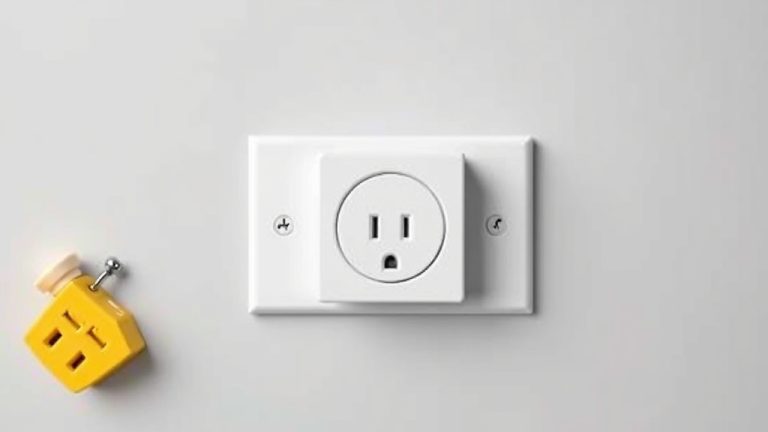
This is a detail that trips people up. Some dishwashers plug into a standard outlet. Others need to be hardwired directly to your home’s electrical system.
Many newer homes have a plug-in outlet under the sink. That makes installation simple. Older homes usually need hardwiring, which requires an electrician.
Ask your installer which type you have before ordering. Getting this wrong adds time and money to the project.
Your Dishwasher Shopping Checklist
Use this list when you are standing in the store or browsing online. It keeps you focused on what matters. Print it out if you need to.
- Stainless steel tub for drying and durability.
- Noise rating under 45 dBA for quiet operation.
- Three spray arms for complete coverage.
- Soil sensor to save water automatically.
- Adjustable racks and third rack for flexibility.
- Self-cleaning filter to skip messy maintenance.
Take your time and compare a few models side by side. You will find the perfect fit for your home. Your dishes will thank you, and so will your evenings.
Conclusion
Buying a dishwasher comes down to a few smart decisions. Focus on a stainless steel tub, a quiet motor, and a solid wash system. Those three things will save you money and stress for years. Skip the fancy cycles and extra lights that just drive up the price.
Measure your space first. Then pick a reliable brand with a good warranty. Check the noise level and make sure the racks fit your cooking style.
Now it is time to shop. Use the checklist from this guide. Compare two or three models side by side. You will find the right machine for your kitchen and your budget.
Frequently Asked Questions
How long should a dishwasher last?
A good dishwasher should last 10 to 12 years with normal use. Stainless steel tubs and reliable brands usually last longer than budget models. If you move often, a cheaper unit might be okay. For a forever home, invest in quality.
Is it worth paying extra for a quiet dishwasher?
Yes, if your kitchen is open to your living room. You will hear anything above 50 dBA while watching TV or talking. Models under 45 dBA cost more but make everyday life much more pleasant. If your kitchen is closed off, you can save the money.
Should I pre-rinse my dishes before loading them?
No, you can skip the pre-rinse. Modern dishwashers with soil sensors handle food scraps just fine. Just scrape off large chunks and load your dishes. Pre-rinsing wastes water and time, and it can actually confuse the sensors.
How much should I spend on a good dishwasher?
You should expect to pay between $600 and $1,200 for a reliable unit. That price range gets you a stainless steel tub, quiet operation, and solid cleaning. Anything below $500 often cuts corners on durability and drying performance.
What size dishwasher do I need for my kitchen?
Most American homes use a standard 24-inch model. Small kitchens or apartments might need an 18-inch compact unit. Measure your cabinet opening before you order anything. This step prevents a lot of headaches down the road.