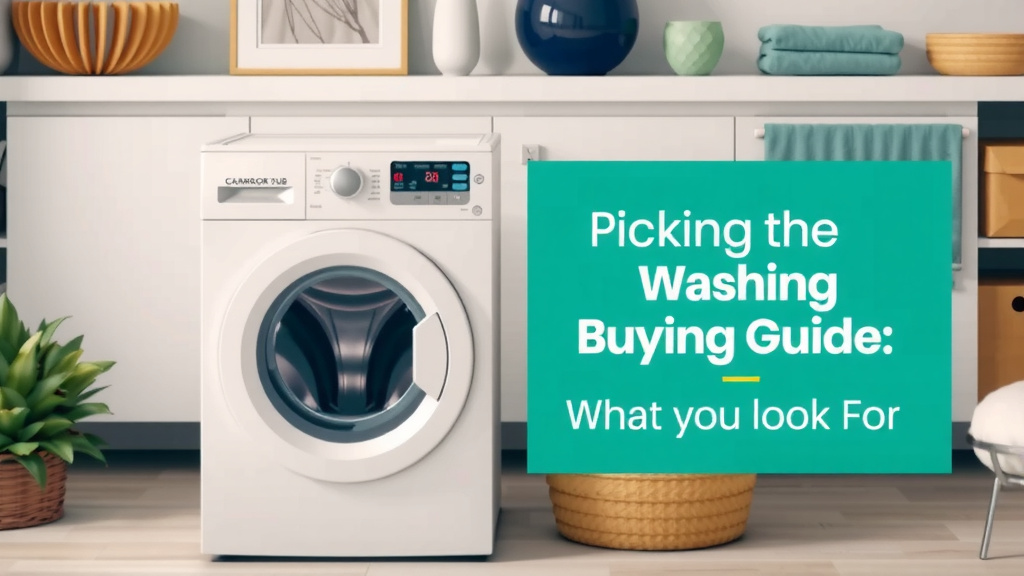
Washing Machine Buying Guide: What to Look For
When choosing a new washing machine, look for the right capacity for your household size and energy efficiency ratings to save on utility bills. Consider the types of wash cycles you’ll use most often, such as delicate, heavy-duty, or quick wash. Front-load machines generally offer better cleaning and water savings than top-load models.
Your decision also hinges on your budget and available laundry space. Think about whether you need a basic model or one with advanced features like steam cleaning or smart connectivity. We found that understanding these core elements helps narrow down your options considerably.
- Capacity: Match to your household size.
- Energy Efficiency: Look for ENERGY STAR ratings.
- Wash Cycles: Select based on your typical laundry needs.
- Type: Front-load vs. top-load offers different benefits.
- Budget & Features: Balance cost with desired functions.
Let’s break down what to consider when shopping for your next washing machine, so you can bring home the perfect fit for your home and laundry habits.
Picking the Right Washing Machine for Your Home
Choosing a new washing machine might seem like a big task. But we’re here to guide you through it. You want a machine that cleans your clothes well. You also want it to be easy on your wallet and your environment. Let’s break down what truly matters.
Understanding Washing Machine Types and Designs
There are two main styles of washing machines to consider. Each has its own strengths. Your choice will depend on your laundry habits and preferences. We’ve looked at both to help you decide.
Front-Load Washers: The Water Savers
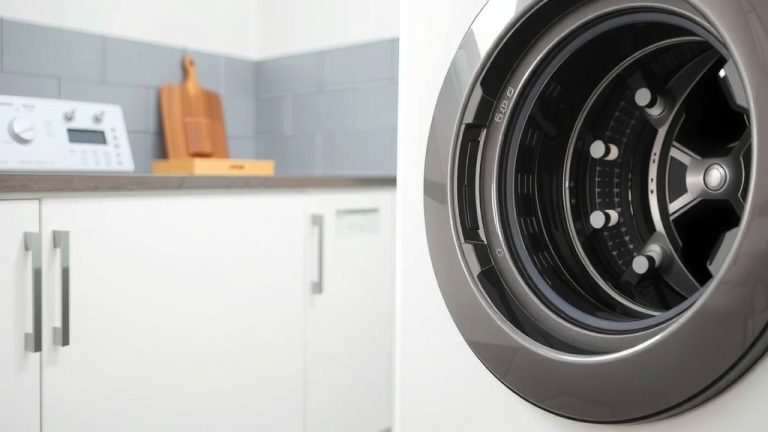
Front-load washers tumble clothes through a mix of water and detergent. This tumbling action is very effective at cleaning. Many find they get a deeper clean with this method. They also use much less water than traditional top-loaders. This can save you money on utility bills over time. Plus, they tend to spin clothes drier, reducing drying time.
One common concern with front-loaders is the bending required to load and unload. If this is an issue for you, consider placing your machine on a pedestal. This raises the drum to a more comfortable height. Some people also find wash times a bit longer. However, the energy and water savings often outweigh this.
Top-Load Washers: Ease of Use and Accessibility
Top-load washers are often simpler to operate. You don’t have to bend down to put clothes in or take them out. This makes them a great choice for those with back or knee issues. They also typically have faster cycle times. If you’re always in a hurry, this could be a big plus. You can also add forgotten items mid-cycle easily.
There are two sub-types of top-loaders. The older style uses a central agitator. This is a tall post in the middle of the drum that twists clothes. It’s effective but can be rough on fabrics. Newer high-efficiency (HE) top-loaders do not have an agitator. They use an impeller at the bottom to move clothes. These are gentler and use less water, similar to front-loaders. We found that HE top-loaders offer a good balance of features.
Capacity: How Much Laundry Can It Handle?
The size of your household is a key factor in deciding washing machine capacity. If you have a large family, you’ll need a bigger drum. This lets you wash more clothes at once. Fewer loads mean less time spent doing laundry. For smaller households or individuals, a smaller capacity might be sufficient. It also takes up less space and uses less water per load.
Consider your typical laundry needs. Do you wash bulky items like comforters regularly? If so, you’ll want a larger capacity machine. If your laundry consists mostly of everyday clothes, a standard size may work fine. Many machines are rated by cubic feet. A good rule of thumb is 1.5 to 2.0 cubic feet per person in your household. We found that most families of four do well with a 4.0 to 4.5 cubic foot washer.
Energy and Water Efficiency: Saving Money and the Planet
Washing machines use a good amount of electricity and water. Choosing an energy-efficient model can lead to significant savings. Look for the ENERGY STAR label. Appliances with this label meet strict energy efficiency guidelines set by the EPA. They use less energy and water than standard models. This is good for your budget and the environment. Many guidelines point to ENERGY STAR certified appliances as a wise choice (EPA).
Water usage varies greatly between models. Front-loaders are generally much more water-efficient than traditional top-loaders. HE top-loaders are also quite good. You can often find water usage information on the appliance’s EnergyGuide label. Consider the long-term cost savings when evaluating these ratings. What seems like a higher upfront cost can pay for itself over time.
Wash Cycles and Special Features: Tailoring Your Clean
Modern washing machines come with a wide array of wash cycles and features. Think about the types of fabrics you wash most often. Do you have delicate items that need gentle care? Look for a delicates cycle. Heavy-duty items like work clothes or bedding might need a heavy-duty cycle. A quick wash option is great for lightly soiled items you need in a hurry.
Other features can enhance your laundry experience. Steam cycles can help sanitize clothes and remove allergens. Some machines offer sanitize settings, which can kill bacteria and viruses. This is especially useful for households with young children or allergy sufferers. We found that many users appreciate the convenience of smart features. These allow you to control your washer remotely via a smartphone app.
Common Wash Cycles to Consider:
- Normal/Cotton: For everyday laundry items.
- Delicates/Hand Wash: For fragile fabrics like silk or lace.
- Heavy Duty: For heavily soiled items or sturdy fabrics.
- Quick Wash: For small loads that need refreshing.
- Permanent Press: For synthetic fabrics that wrinkle easily.
- Sanitize: For deep cleaning and allergen removal.
Noise Levels and Vibration: Keeping Your Home Peaceful
Washing machines can be noisy, especially during the spin cycle. If your laundry area is near living spaces, noise level might be a concern. Some manufacturers design their machines to be quieter. Look for reviews that mention noise levels or specific vibration reduction technology. Machines with anti-vibration systems can make a big difference.
Higher spin speeds, while great for removing water, can also increase noise. However, advanced suspension systems can counteract this. If noise is a major worry, consider a machine specifically marketed for its quiet operation. We found that even basic models can be surprisingly quiet with good engineering.
Durability and Reliability: Making a Long-Term Investment
You want your washing machine to last. Researching the reliability of brands is a smart move. Consumer reports and user reviews can offer insights into which brands tend to have fewer repair issues. Some brands are known for their durability and longevity. Investing in a reliable machine can save you money on repairs down the line.
Consider the warranty offered by the manufacturer. A longer warranty, especially on key components like the motor or drum, can provide peace of mind. Many experts suggest looking at brands with a proven track record for quality. Your washing machine is an investment, and you want it to serve you well for years to come.
Your Washing Machine Checklist
Before you make your final decision, run through this quick checklist:
- Does the capacity fit your household size?
- Is it ENERGY STAR certified?
- Does it have the wash cycles you need?
- Is it a front-load or top-load that suits your needs?
- Does it fit your budget and available space?
- Are there any special features you really want?
Conclusion
You’ve learned what makes a washing machine a great fit for your home. Remember to match the capacity to your family’s needs and prioritize energy efficiency with ENERGY STAR ratings. Consider the type of washer (front-load or top-load) and the wash cycles that best suit your fabrics. Balancing these features with your budget and available space will ensure you make the right choice. Take a moment to review our checklist and you’ll be well on your way to a cleaner, more convenient laundry routine.
Frequently Asked Questions
How do I know what washing machine capacity I need?
Consider the number of people in your household and your typical laundry habits. For a family of four, a capacity of around 4.0 to 4.5 cubic feet is usually sufficient. If you frequently wash bulky items like blankets, you might want to opt for a larger size.
Are front-load or top-load washing machines better?
Front-load washers generally use less water and energy, and often clean clothes more effectively. Top-load washers, especially high-efficiency models, offer easier access and faster cycles. Your choice depends on your priorities like water savings, ease of use, or speed.
What does ENERGY STAR certified mean for a washing machine?
ENERGY STAR certified washing machines meet strict energy efficiency guidelines set by the EPA. This means they use less electricity and water compared to standard models. Choosing an ENERGY STAR appliance can help you save money on utility bills and reduce your environmental impact.
Are steam cycles really worth it on a washing machine?
Steam cycles can be very beneficial for sanitizing clothes and removing allergens. They are also effective at reducing wrinkles. If you have allergies, young children, or frequently deal with heavily soiled items, a steam feature might be a worthwhile addition.
How can I find out if a washing machine will be noisy?
Look for reviews that specifically mention noise levels or vibration reduction technology. Some manufacturers design machines for quieter operation. Machines with advanced suspension systems can also help minimize noise during the spin cycle, even at higher speeds.