Front Load vs Top Load Washers: Which is Right for You
When choosing a washing machine, the main difference between front load and top load models comes down to cleaning performance and efficiency. Front loaders generally offer superior cleaning and use less water, but top loaders can be quicker and sometimes less expensive upfront. Your choice really depends on your priorities for laundry day.
Many homeowners wonder about the energy and water savings each type provides. Front loaders are known for their gentle wash cycles and better fabric care, while some top loaders can be tougher on clothes. We found that the ongoing costs can differ quite a bit too.
- Front loaders clean better and are more efficient.
- Top loaders often have faster wash times.
- Consider your budget and fabric care needs.
- Front loaders typically cost more initially.
Let’s break down the pros and cons of each type to help you decide which washing machine is the right fit for your home.
Understanding Your Washing Machine Options: Front Loaders vs. Top Loaders
Deciding between a front-load and a top-load washing machine can feel like a big choice. Both do the same basic job, but they go about it very differently. You might be wondering which one will get your clothes cleaner or save you the most money in the long run. We’ve looked into what makes each type unique to help you make the best choice for your laundry room.
How Front Load Washers Work and Why They’re Different
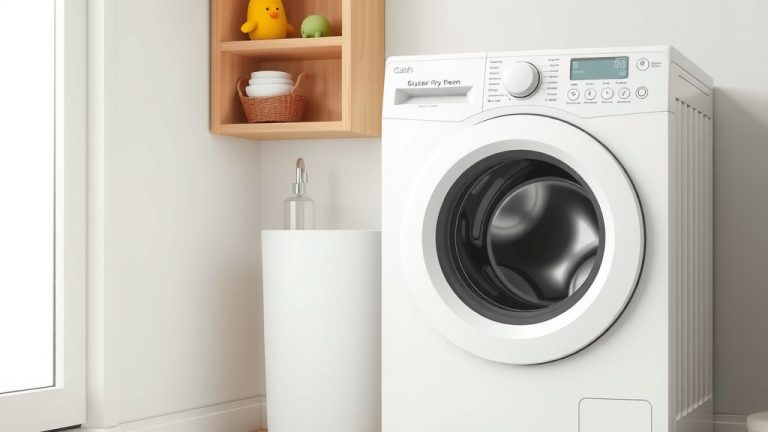
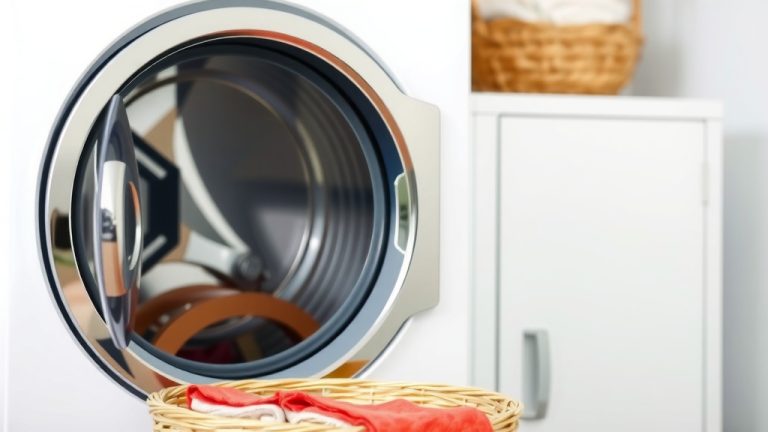
Front-load washers tumble clothes through a drum that opens from the front. This tumbling action, combined with a small amount of water, is the core of their cleaning power. Think of it like a gentle massage for your clothes.
The Cleaning Power of the Tumbling Action
We found that this tumbling method is incredibly effective. It allows clothes to move freely and rub against each other, lifting dirt and stains. This action is also much gentler on fabrics compared to other methods. Many experts say this results in fewer damaged clothes over time (American Cleaning Institute).
Water and Energy Efficiency Explained
One of the biggest advantages of front loaders is their efficiency. They use significantly less water than traditional top-load machines. This is because the drum only needs to be partially filled for the tumbling action to work. Less water means less energy is needed to heat that water, leading to lower utility bills.
Research shows front-loaders can use up to 70% less water than some older top-load models. This is a big win for both your wallet and the environment. You’ll also likely notice that your clothes come out of the wash much drier, meaning less time in the dryer.
Cycle Times and Convenience Factors
While front loaders excel at cleaning and efficiency, their wash cycles can sometimes be longer. This is due to the slower, more deliberate tumbling action. However, many modern front-load washers offer “quick wash” options for when you’re in a hurry.
Another point to consider is loading and unloading. Since the door is on the front, you’ll need to bend down. This can be a hurdle for some people. Also, you can’t easily add forgotten items mid-cycle, though some models now have small “add-a-garment” doors.
Exploring the World of Top Load Washers
Top-load washers are familiar to most people. They have a lid on top, and the drum is accessed from above. They generally use an agitator or an impeller to move clothes around in the water.
Agitator vs. Impeller: What’s the Difference?
Traditional top-load washers often feature a central agitator. This is a large finned post that twists and turns, forcing clothes to move through the water. While effective at scrubbing, it can be rough on fabrics. Many people report clothes stretching or snagging with agitator models.
Newer “high-efficiency” (HE) top-load washers often use an impeller. This is a low-profile cone or disc at the bottom of the drum. It spins and creates currents to move clothes. We found this method to be gentler on clothes than agitators, but sometimes not quite as thorough for very tough stains.
Speed and Ease of Use
One of the main draws of top-load washers is speed. Their cycles are typically shorter than front-loaders. This can be a big help for busy households. Plus, you can usually open the lid mid-cycle to toss in that sock you missed.
Loading and unloading are also generally easier. You don’t need to bend over as much. This is a definite plus for anyone with back or knee issues. It’s like loading laundry into a large basket.
Water Usage and Cleaning Performance
Historically, top-load washers, especially those with agitators, use more water. The drum needs to be filled with enough water to submerge the clothes fully. While HE top-loaders use less water than older models, they generally still use more than front-loaders.
When it comes to cleaning power, it can be a mixed bag. Agitator models can be tough on dirt, but also tough on clothes. Impeller models offer a good balance, but some research suggests they might not clean as deeply as front-loaders for heavily soiled items.
Comparing Key Features: A Quick Look
To help you visualize the differences, let’s put some key features side-by-side. Think about what matters most to you and your laundry routine.
| Feature | Front Load | Top Load (Agitator) | Top Load (Impeller/HE) |
|---|---|---|---|
| Cleaning Performance | Excellent, gentle | Good, can be harsh | Good to Very Good |
| Water Efficiency | Highest | Lowest | Moderate |
| Energy Efficiency | Highest | Lowest | Moderate |
| Cycle Time | Longest (standard cycles) | Shortest | Shorter than front-load |
| Fabric Care | Gentlest | Harshest | Gentle to Moderate |
| Ease of Loading | Requires bending | Easiest | Easiest |
| Add Garments Mid-Cycle | Limited/None (some exceptions) | Yes | Yes |
| Upfront Cost | Higher | Lower | Mid-range |
Making the Right Choice for Your Home
So, which type of washing machine is going to be your best friend on laundry day? It really comes down to your priorities. Do you want the absolute best cleaning performance and the greatest savings on your water and energy bills? A front-loader might be your perfect match.
Prioritizing Gentle Care and Efficiency
If you have delicate clothing, a lot of laundry, or you’re keen on reducing your environmental footprint and utility costs, front-loaders shine. We found that many users also appreciate how much drier the clothes come out, cutting down drying time.
Considering Speed and Budget
On the other hand, if you need laundry done quickly, have a tighter budget for the initial purchase, or simply prefer the ease of loading from the top, a top-loader could be ideal. HE top-loaders offer a good compromise between the older agitator models and front-loaders.
Your Laundry Day Checklist
To help you finalize your decision, ask yourself these questions:
- How important is the absolute best stain removal?
- Do you have delicate fabrics that need extra care?
- Are water and energy savings a top priority?
- How much do you want to spend upfront?
- Is ease of loading or quicker wash times more appealing?
Conclusion
You’ve learned the key differences between front-load and top-load washers. Front-loaders offer superior cleaning and water efficiency, saving you money over time. Top-loaders often provide faster cycles and easier loading, making them a convenient choice. Your decision hinges on whether you prioritize the deepest clean and long-term savings, or speed and upfront affordability.
Consider your laundry habits and what matters most in your home. Now you’re ready to choose the washer that best fits your needs. Happy washing!
Frequently Asked Questions
Are front-load washers really better for clothes?
Yes, research and user experiences suggest front-load washers are generally gentler on fabrics. Their tumbling action washes clothes thoroughly without the harsh scrubbing of some top-load agitators, leading to less wear and tear.
Can I add clothes to a front-load washer mid-cycle?
Most traditional front-load washers do not allow you to add clothes once the cycle has started. However, many newer models now feature a small hatch or pause function that lets you add forgotten items within the first few minutes of the wash.
Which type of washer is more expensive to buy?
Front-load washers typically have a higher upfront purchase price compared to most top-load models, especially those with agitators. High-efficiency (HE) top-load washers can sometimes bridge this gap, but generally, front-loaders represent a larger initial investment.
Do top-load washers use more water than front-load washers?
Yes, historically and generally, top-load washers use more water. They often need to fill the entire drum to submerge clothes. Front-load washers are designed to operate with much less water, making them significantly more efficient.
Which washing machine type is best for small spaces?
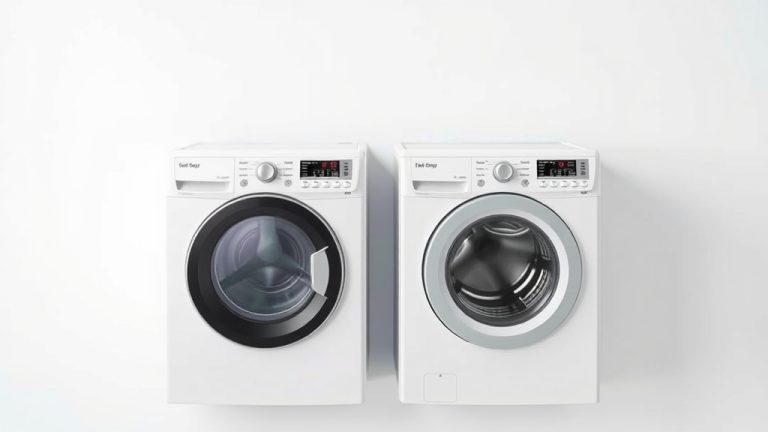
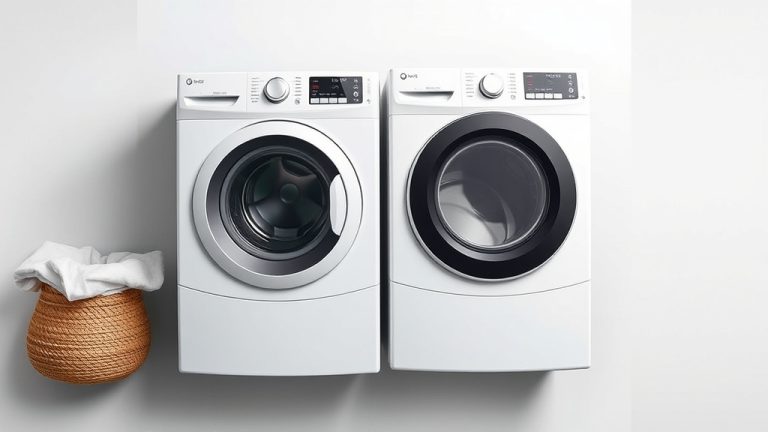
While both types come in various sizes, front-load washers can sometimes be stacked with a compatible dryer, which can save floor space in compact laundry areas. Top-load washers cannot be stacked, so they require their own dedicated footprint.