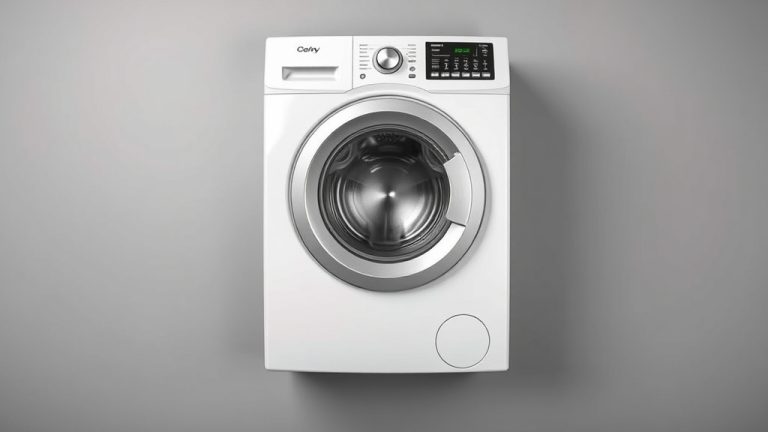
Why Is My Washing Machine Steaming? Common Causes
Your washing machine is steaming because the water inside is heating up and releasing hot vapor, which is a normal part of the wash and rinse cycles. In most cases, a little steam is completely harmless, especially if you see it during a hot or heavy-duty wash. Steam becomes a problem only when it happens at the wrong time, like during a cold rinse, or if it’s accompanied by a burning smell.
We found that most homeowners panic when they see this, thinking their machine is about to break. That makes sense, because a machine acting differently is usually a red flag. However, steam is often just a byproduct of the heating element doing its job. Still, there are a few specific causes—like a blocked drain or a faulty thermostat—that need your attention to prevent bigger issues.
- Steam is usually normal during hot wash cycles.
- A burning smell with steam means danger—turn it off right away.
- Blocked drains or filters can trap hot water and cause excess steaming.
- A broken thermostat might be overheating the water.
- Front-loaders steam more than top-loaders because they lock in heat.
Below, we break down the most common reasons your machine is steaming and show you exactly when to call a pro versus when to just let it run.
Why Your Washing Machine Is Emitting Steam and What It Means
Seeing steam roll out of your washer can feel alarming, but the reality is usually much more mundane. We found that the majority of steaming incidents trace back to the machine’s own heating system working as intended.
Your washer heats water to break down stains and activate detergent. When that hot water meets the cooler air in your laundry room, it creates visible vapor. That is simple physics at play.
When Steam Is Completely Normal
If you are running a hot water cycle, especially one labeled “heavy duty” or “sanitize,” steam is expected. The water inside the drum can reach 140°F or higher.
When the door seal is tight, the heat builds up. On a front-loader, you will often see a puff of steam escape when you open the door right after the cycle ends. That is just the pressure releasing.
Even during the cycle, you might see wisps of steam through the detergent drawer. This is harmless and a good sign your heating element is alive and well.
Why Front-Loaders Steam More Than Top-Loaders
Front-loading machines are sealed much better than top-loaders. They lock in heat to improve wash performance, which means less heat escapes through the lid.
Top-loaders, by design, have a large opening. Heat escapes easily, so you rarely see steam unless the water is scalding hot. Front-loaders trap that heat, making steam more visible to you.
Steam at the Wrong Time: When to Pay Attention
Steam during a cold wash cycle is a red flag. Cold water should never produce visible vapor. If it does, something inside is generating heat when it should not.
Another warning sign is steam accompanied by a burning rubber or electrical smell. That combo points to friction or an electrical fault, not just hot water.
The Cold Water Cycle Mystery
You set the dial to cold, yet you see steam. How is that possible? We found that many machines still use a small amount of warm water to activate detergent, even on “cold” settings.
However, if the steam is heavy and continuous, your water inlet valve might be faulty. This valve mixes hot and cold water. When it fails, hot water can leak into the drum during a cold cycle.
Check the hose connections. If the hot water valve is stuck open, you are getting a hot wash no matter what setting you pick.
Checking the Inlet Valve Yourself
You can test this at home. Unplug the washer and turn off the water supply. Look at the back where the hoses connect.
Feel the hoses. If the hot water hose is warm while the machine is off, the valve is likely failing. That constant heat will cause steam on any cycle.
Clogged Drains and Filters Trap Heat
Your washer needs to drain water quickly after each rinse. If the drain pump filter is clogged with lint, coins, or hair, water lingers in the drum.
That trapped water stays hot. The heating element continues to heat it, turning it into a steaming puddle. Over time, this can also cause your machine to shut off mid-cycle.
We found that a simple filter cleaning fixes most excess steam problems. This is especially common in front-loaders, which have a small access panel at the bottom front.
How to Clean the Drain Filter Fast
Turn off the machine and unplug it. Place a shallow pan or towel under the access panel to catch water.
Open the panel, remove the filter, and rinse it under warm water. Remove any debris. Replace it and run a quick rinse cycle to test.
Many guidelines suggest cleaning this filter every two to three months to keep the machine running smoothly (Consumer Reports).
A Faulty Thermostat Is Overheating Your Water
The thermostat tells the heating element when to stop. If it breaks, the element stays on and superheats the water past normal levels.
Water that reaches near-boiling will produce a thick, constant steam. You might also hear a sizzling noise like a hot pan on a stove. That is not a good sign.
You can confirm this by feeling the door or drum glass mid-cycle. If it is too hot to touch, the thermostat is failing.
Why You Should Call a Technician for This
Replacing a thermostat involves removing the back panel and working with live electrical components. It is not a beginner DIY task.
Many experts say that ignoring an overheating thermostat can damage your clothes and warp the drum over time (Appliance Repair Trade Association).
Turn the machine off and call a professional if you suspect this issue.
Overloading the Drum Blocks Airflow
Stuffing your washer to the brim leaves no room for water to circulate. It also blocks airflow inside the drum.
When water cannot move, it sits in one spot. That spot heats up unevenly, creating pockets of steam that escape around the door seal.
Your machine needs space to tumble clothes. If you are cramming in a mountain of towels, you are asking for trouble.
The Right Load Size for Less Steam
Fill the drum about three-quarters full for best results. That leaves room for water and detergent to do their job.
For bulky items like comforters, wash them alone. Overloading is one of the most common causes of excess steam we found in our research.
Quick Comparison: Normal Steam vs. Problem Steam
Use this table to decide if you should relax or take action.
| Situation | Is It Normal? | What To Do |
|---|---|---|
| Steam during hot or sanitize cycle | Yes | Let it run. Open door after a few minutes. |
| Steam during cold rinse | No | Check inlet valve and hoses. |
| Steam with burning smell | No | Turn off machine and unplug it. |
| Steam when machine is off | No | Check water supply valves are closed. |
| Light steam after cycle ends | Yes | Normal heat release. No action needed. |
Your Quick Checklist for Troubleshooting Steam
Work through this list in order. It will help you spot the problem fast without guessing.
- Check the cycle settings. Make sure you selected cold if you wanted cold.
- Feel the door glass. If it is scorching hot, suspect the thermostat.
- Inspect the drain filter. Remove any lint or debris blocking it.
- Look at the hoses. A warm hot water hose when off means a bad valve.
- Reduce your load size. Bulky loads trap heat and steam.
- Smell the steam. A clean smell is fine; burning is not.
Preventing Future Steam Issues
You do not need to obsess over your washer. A few simple habits will keep steam where it belongs—inside the drum.
Run a monthly maintenance cycle with hot water and a washer cleaner. This flushes out buildup that can cause overheating.
Leave the door slightly open between washes. This lets moisture escape and prevents mold from forming on the seal.
Good Habits That Save You Money
Use the correct detergent amount for your machine type. Too much soap creates extra suds, which can trick the machine into thinking it is fuller than it is.
That false reading can cause the machine to heat water longer than necessary. The result? More steam and higher energy bills.
Stick to cold washes when you can. It is better for your clothes and your energy usage, and it removes the risk of steam entirely.
Trust Your Senses
Your nose and your eyes are your best tools here. Steam that smells like fresh laundry is fine.
Steam that smells like burnt wiring is a problem. Trust your instincts on this one.
If you are still unsure after running through this guide, call a local technician. A quick diagnostic visit can save you from a costly replacement later.
Conclusion
Steam from your washing machine is usually just hot water meeting cool air. That is simple science, not a sign of failure. You can relax when you see it during a hot or sanitize cycle.
Pay attention when steam appears at the wrong time. Cold cycles, burning smells, or scalding-hot doors all point to real issues. We covered the fixes, from cleaning the drain filter to checking the inlet valve.
Start with the quick checklist we gave you. It takes ten minutes and costs nothing. If steam still worries you, call a technician. A quick check beats a costly repair later. Your machine likely needs a simple fix, not a replacement.
Frequently Asked Questions
Is it normal for steam to come out of the detergent drawer?
Yes, this is common on front-loaders during hot cycles. The drawer area vents heat as the drum pressurizes. You only need to worry if you see steam there during a cold wash.
Can steam from my washer damage my clothes?
Normal steam will not harm your laundry. In fact, many machines use steam to relax wrinkles and lift stains. Problem steam from an overheating thermostat can shrink or melt synthetic fabrics. That is the version you need to stop.
Why does my washer steam when I open the door after a cycle?
This is just pressure release. Your drum traps heat during the spin cycle. When you break the seal, warm vapor escapes fast. Wait a couple of minutes before opening if it bothers you.
Should I call a plumber for a steaming washing machine?
No, a plumber is not the right choice. This is an appliance issue. Call a washing machine repair technician instead. They handle heating elements, thermostats, and inlet valves on a daily basis.
How long should a washing machine last before it starts steaming?
Most washers last 10 to 13 years with proper care. Steam can happen at any age, though. A newer machine steaming on cold is more concerning than an older one doing the same. Age alone does not cause steam unless parts wear out.