How Long Do Holmes Air Purifier Filters Last? A Complete Guide to Maintenance and Replacement
Curious about the actual lifespan of your Holmes air purifier filters? You’ve hit on a vital topic. Knowing when to replace your filter isn’t just about breathing fresh air; it’s essential for maintaining your device’s efficiency and ensuring it continues to purify effectively. This guide will delve into everything from the typical longevity of Holmes filters and recommended replacement schedules to the various elements that impact how long your filters truly last.
Understanding Holmes Air Purifier Filter Types and Their Purposes
Before we dive into the specifics of filter longevity, it’s important to recognize that Holmes air purifiers don’t typically use just one type of filter. Think of it like a multi-layer security system for your indoor air—each component plays a distinct role in removing different pollutants from your breathing space.
The Pre-Filter: Your First Line of Defense
The pre-filter is essentially the bouncer at the door of your air purifier. This mesh-like component catches the larger particles before they can reach the more delicate filters inside. We’re talking about pet hair, dust bunnies, lint, and other visible debris that floats around your home. Because it tackles the bigger stuff, the pre-filter typically lasts longer than you might expect, often holding up for several months to a year, depending on your home environment.
The HEPA Filter: The Heavy Lifter
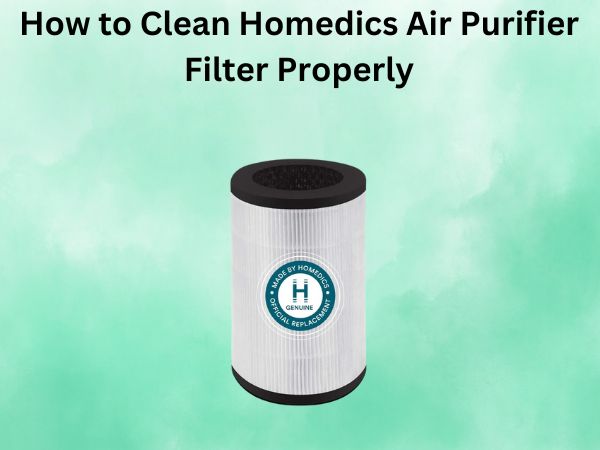
Now here’s where things get serious. The HEPA filter is your workhorse—it captures those microscopic particles that you can’t even see with the naked eye. We’re talking about pollen, dust mites, pet dander, mold spores, and bacteria. A genuine HEPA filter can trap up to 99.97 percent of particles as small as 0.3 microns. This is the filter that actually makes a difference in your air quality, and it requires more frequent replacement than the pre-filter.
The Activated Carbon Filter: Odor Eliminator
If you’ve ever noticed an unpleasant smell disappearing after turning on your air purifier, you have the activated carbon filter to thank. This specially treated carbon is like a sponge for odors, chemical smells, and volatile organic compounds. However, its absorptive capacity eventually gets saturated, which means it won’t work as efficiently after a certain period.
How Long Do Holmes Air Purifier Filters Actually Last?
So let’s get to the heart of your question. The typical lifespan varies depending on which Holmes model you own and which filter type we’re discussing, but here’s what you can generally expect.
Standard Filter Replacement Timeline
- Pre-filters: These usually last between 6 to 12 months with regular use
- HEPA filters: Typically need replacement every 6 to 12 months, though some higher-end models might stretch to 18 months
- Activated carbon filters: Usually require changing every 3 to 6 months, depending on usage and your home environment
Keep in mind that these are ballpark figures. Your actual mileage might vary significantly based on several factors that we’ll explore in detail.
Model-Specific Filter Life Expectations
Holmes offers various air purifier models, and different models have different filter specifications. Some compact units have smaller filters that might need more frequent replacement, while larger tower models might have bigger filter surfaces that last longer. Always consult your specific model’s manual—it’s your most reliable source for accurate information about your particular device.
Factors That Influence Holmes Filter Lifespan
The lifetime of your filters isn’t set in stone. Think of it like the fuel efficiency of a car—it depends on how you drive it. Several variables will directly impact how quickly your Holmes filters become saturated and ineffective.
Air Quality in Your Home
This is perhaps the biggest factor. If you live in an area with high outdoor air pollution, or if you have significant indoor air quality issues, your filters will work overtime and get clogged much faster. Similarly, if you have multiple pets shedding hair constantly, your pre-filter will accumulate debris much quicker than someone living alone in a pet-free apartment.
Usage Frequency and Duration
How often you run your air purifier directly correlates with filter wear. Running your device 24/7 will exhaust filters much faster than using it for just a few hours daily. If you leave it running continuously, expect to replace filters more frequently than the manufacturer’s average recommendations.
Your Home’s Size and Layout
A small bedroom air purifier works less hard than one trying to clean the air in a large open-concept living space. The filter in a smaller unit covering a 100 square foot room will last longer than a filter in the same model placed in a 400 square foot area, because it’s dealing with less overall air volume and pollutant load.
Presence of Allergens and Pollutants
Do you have dust mite allergies, pet allergies, or live near a busy highway? Your filter burden increases significantly. Homes with smokers, heavy cooking activity, or moisture issues that promote mold growth will see their filters clogging much more rapidly.
Climate and Humidity Levels
High humidity can promote mold and dust mite activity, which means more organic particles in the air. Dry climates might have more dust and pollen. Your local climate influences the type and quantity of particles your filter encounters daily.
Signs Your Holmes Air Purifier Filter Needs Replacement
You shouldn’t just blindly follow replacement schedules. Your air purifier will actually tell you when it’s struggling. Learning to recognize these warning signs ensures you’re not breathing through a spent filter.
Reduced Air Flow and Performance
Notice the air coming out feels less powerful? That’s a classic sign. When your filter is clogged with debris, the unit has to work harder to push air through it, resulting in noticeably weaker output. It’s like trying to drink a thick smoothie through a straw that’s half-blocked—it just doesn’t work as well.
Visual Filter Discoloration
Take a look at your filter. Is it supposed to be white or light gray but now appears dark gray or brown? That visual change is your filter showing you it’s accumulated significant debris and pollutants. Many Holmes models allow you to visually inspect filters—use this to your advantage.
Unusual Sounds or Grinding Noises
A healthy air purifier runs quietly and smoothly. If yours starts making grinding sounds or seems to be struggling, the motor is working extra hard to push air through a clogged filter. This is an emergency signal that replacement is overdue.
Persistent Odors Despite Running
If your air purifier is on but you’re still noticing stale smells or odors that should be eliminated, your activated carbon filter is likely saturated. It’s worked itself to exhaustion and can’t absorb any more odor-causing compounds.
Warning Lights or Indicators
Many modern Holmes models include filter replacement indicators—lights that alert you when it’s time to change filters. Don’t ignore these! They’re based on typical usage patterns and help ensure optimal performance.
Extending Your Holmes Air Purifier Filter Life
While you can’t prevent filters from eventually getting dirty, you can definitely extend their functional lifespan with smart maintenance practices.
Keep Your Pre-Filter Clean
The pre-filter is reusable in many Holmes models. Regularly vacuuming it or gently tapping it to release accumulated dust means less debris reaches your HEPA filter. This extends the life of your more expensive, harder-to-replace filters significantly. Think of it as doing the dishes instead of letting them pile up in the sink—small maintenance prevents bigger problems.
Maintain Proper Device Placement
Don’t tuck your Holmes air purifier into a corner or block its intake vents. Place it in an open area where air can circulate freely around it. Good placement reduces the unit’s workload and helps filters accumulate debris more gradually. Ensure at least 12 inches of clearance around the device for optimal airflow.
Control Indoor Pollution Sources
Minimize smoking, cooking with excessive heat, and other activities that generate large amounts of airborne particles. Use exhaust fans in kitchens and bathrooms. Keep humidity levels between 30 and 50 percent to discourage mold and dust mites. The fewer pollutants your air purifier has to handle, the longer your filters remain effective.
Regular Vacuuming and Dusting
By keeping your home’s dust levels down through regular cleaning, you reduce the overall pollutant load entering your air purifier. This might seem counterintuitive—shouldn’t an air purifier handle the cleaning job? Well, it’s designed to supplement your cleaning, not replace it. Working together is the most effective approach.
Understanding HEPA Filter Certification and Holmes Standards
Not all HEPA filters are created equal, and understanding certification matters when evaluating filter longevity and effectiveness.
True HEPA vs. HEPA-Type Filters
Holmes uses genuine HEPA filters in many of their models, meeting strict government standards. These filters must capture 99.97 percent of particles 0.3 microns or larger. Some budget models use “HEPA-type” filters, which don’t meet these strict standards and may not last as long or work as effectively. If filter life is a concern, paying for true HEPA certification is worth considering.
Filter Efficiency Ratings
MERV ratings indicate a filter’s ability to trap particles. Higher MERV-rated filters capture more particles but often restrict airflow more, meaning your unit works harder and filters might require more frequent replacement. It’s a balance between performance and longevity.
Calculating Your Holmes Filter Replacement Costs
Understanding filter lifespan helps you budget for long-term ownership. Filter replacement isn’t a one-time cost.
Annual Filter Replacement Expenses
If your Holmes model requires all three filter types replaced annually, and each filter costs between 15 to 30 dollars, you’re looking at approximately 45 to 90 dollars per year in filter costs alone. Some premium replacement filters might cost more. Calculate this into your decision when considering an air purifier purchase, as it affects the true cost of ownership.
Finding Affordable Replacement Filters
Don’t automatically buy from the most expensive retailer. Compare prices across Amazon, Walmart, Best Buy, and other retailers. Sometimes buying filter replacement packs in bulk offers discounts. However, be cautious about counterfeit or low-quality replacement filters—always purchase from reputable sellers to ensure you’re getting genuine Holmes filters.
Proper Filter Replacement Instructions for Holmes Units
Replacing your filters correctly ensures your new ones work optimally from day one.
Step-by-Step Replacement Process
- Turn off and unplug your Holmes air purifier before beginning
- Locate the filter access panel or door on your model
- Carefully remove the old filter, noting the direction it was installed
- Check the housing for any accumulated dust or debris and wipe if needed
- Unpack your new filter and remove any protective plastic wrapping
- Install the new filter in the same orientation as the old one
- Close the access panel securely
- Reset any filter replacement indicators if your model has them
- Plug the unit back in and resume normal operation
Common Installation Mistakes to Avoid
Installing a filter backwards, leaving protective plastic on the filter, or failing to seat it properly in the housing reduces effectiveness. Always verify your specific model’s instructions, as some Holmes units have unique installation requirements. Taking two minutes to do it right saves weeks of inefficient operation.
Environmental Considerations and Filter Disposal
Your used Holmes air purifier filters don’t belong in the trash. While they’re not hazardous enough to require special disposal, there are more responsible options.
Recycling Your Old Filters
Some recycling facilities accept air filters if the frame is plastic or cardboard. Contact your local waste management facility to ask about their policies. At minimum, research whether your community has electronic waste recycling that might accept purifier components.
Composting Pre-Filters
The pre-filter, if made entirely from natural materials, can sometimes be composted. However, most Holmes pre-filters contain synthetic materials that shouldn’t go in compost. When in doubt, regular disposal is the safest bet.
Comparing Holmes Filters to Other Air Purifier Brands
You might wonder how Holmes filters stack up against competitors in terms of longevity and value.
Holmes vs. Other Budget-Friendly Brands
Holmes offers competitive filter lifespan compared to other affordable air purifier brands. Their filters typically last as long or longer than similar budget options, and replacement filters are reasonably priced. The main advantage is parts availability—Holmes filters are easy to find online and in stores.
Why Choose Holmes for Filter Longevity
Holmes has been in the air quality business for decades. Their filters are reliable, their replacement schedule is straightforward, and their filters perform consistently. While premium brands might offer marginally longer filter life, the cost savings with Holmes often outweigh that benefit for most households.
Troubleshooting Filter-Related Issues
Sometimes problems arise even with proper maintenance and timely replacements.
Filters Clogging Too Quickly
If your filters seem to need replacement every few months rather than the expected six to twelve, evaluate your environment. Are you running the unit constantly? Do you have new pets? Has your outdoor air quality changed? Addressing the root cause is more effective than simply replacing filters more frequently.
Persistent Odors After Filter Replacement
Occasionally, a new activated carbon filter doesn’t eliminate odors as expected. Ensure the filter is properly installed and hasn’t been packaged with something fragrant that might transfer odor to the filter material. If problems persist, contact Holmes customer service to ensure you have the correct replacement filter for your model.
Future Innovations in Holmes Air Purifier Filter Technology
The air purification industry continues evolving, and Holmes participates in this progress.
Extended-Life Filter Development
Holmes continues researching filters that can last longer while maintaining or improving efficiency. Innovations in filter material science might eventually deliver filters lasting two years or more under normal conditions. Staying informed about new Holmes models helps you take advantage of these advances when they become available.
Conclusion
So, how long do Holmes air purifier filters last? The honest answer is that it depends, but most users can expect their pre-filters to last six to twelve months, HEPA filters to perform effectively for six to twelve months, and activated carbon filters to remain useful for three to six months. These timelines flex based on your specific home environment, usage patterns, and air quality conditions. Rather than rigidly following manufacturer recommendations, pay attention to the performance indicators your unit provides—reduced airflow, visible