How Long Do HEPA Filters Last in Air Purifiers? A Complete Guide to Filter Lifespan and Maintenance
Investing in an air purifier brings up a crucial question: how long will its filter truly last? Much like purchasing a vehicle involves considering more than just the sticker price, you also need to factor in ongoing maintenance. The same logic applies to HEPA filters. These essential components are the backbone of your air purification system, and understanding their expected lifespan is key to saving money, effort, and future headaches.
Let me be honest with you: most people don’t think about their air purifier filters until something goes wrong. But if you’re serious about maintaining clean indoor air, you’ll want to understand exactly how long these filters stick around before they need replacing.
Understanding HEPA Filters and Their Basic Function
Before we dive into the lifespan question, let’s make sure we’re on the same page about what a HEPA filter actually is. HEPA stands for High-Efficiency Particulate Air, and it’s not just a fancy marketing term—it’s an actual standard set by the Department of Energy.
Think of a HEPA filter like a microscopic bouncer at the door to your lungs. These filters are designed to capture at least 99.97% of particles that are 0.3 micrometers or larger. That includes dust, pollen, pet dander, mold spores, and even some bacteria. The filter works through a combination of mechanical and electrostatic forces that trap these particles within the fibers of the filter material itself.
The interesting thing about HEPA filters is that they’re made from a mat of randomly arranged fibers, typically made from fiberglass. This random arrangement is what gives them their incredible efficiency. When air passes through, particles don’t stand a chance of slipping through.
The Typical Lifespan of HEPA Filters: What You Need to Know
Standard Filter Replacement Timeline
Here’s the straightforward answer: most HEPA filters last between 6 to 12 months before they need replacing. However—and this is important—that timeframe isn’t set in stone. Think of it more like a guideline than a guarantee.
Why such a wide range? Well, several factors influence how quickly your filter gets clogged with particles. The air quality in your home, how often you run your purifier, the size of your space, and whether you have pets or smokers in your household all play a role.
Factors That Affect Filter Longevity
Let’s break down what actually determines how long your filter will last. Understanding these factors will help you predict when you’ll need a replacement.
- Air Quality in Your Area: If you live in an urban area with higher pollution levels or near construction sites, your filter will accumulate particles faster than someone living in a rural area with pristine air quality.
- Usage Frequency: If you run your air purifier 24/7, the filter will get dirtier faster than if you only run it a few hours daily. It’s basic math—more air passing through means more particles trapped.
- Household Composition: Do you have pets? Smokers? Kids who track in dirt? These all contribute to more particles in your air, which means your filter works harder and gets saturated sooner.
- Filter Quality: Not all HEPA filters are created equal. Premium filters from reputable manufacturers often last longer than budget alternatives.
- Room Size: Using an air purifier designed for a 500-square-foot room in a 2,000-square-foot space means the filter is constantly working overtime.
Pre-Filters: The Unsung Heroes That Extend HEPA Life
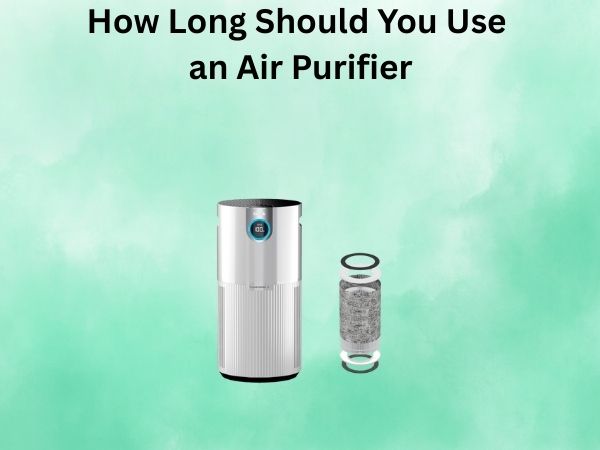
Here’s something many people overlook: most quality air purifiers come with a pre-filter in addition to the HEPA filter. The pre-filter is like the bouncer’s security team—it catches the big, obvious stuff before it reaches the main filter.
Pre-filters typically last 2 to 4 months and should be replaced more frequently than your HEPA filter. By replacing your pre-filter regularly, you’re actually extending the life of your HEPA filter significantly. It’s a smart investment because pre-filters are usually cheaper than HEPA filters.
Think of it this way: would you rather spend fifty dollars every few months on a pre-filter, or watch your two-hundred-dollar HEPA filter get clogged with dust and hair? The answer is obvious.
Signs Your HEPA Filter Needs Replacement
Visual Indicators
Sometimes you don’t need to guess when it’s time to replace your filter. Your air purifier will often tell you directly through visual cues.
- The filter appears noticeably discolored or dark compared to when it was new
- You can see visible dust, dirt, or debris coating the filter surface
- The filter looks damp or shows signs of moisture (which shouldn’t happen in a functioning unit)
Performance Changes
Your air purifier’s performance will also signal that something needs attention. Here’s what to watch for:
- Reduced Airflow: If the purifier seems quieter or less powerful than usual, the filter is likely clogged.
- Strange Odors: A musty or stale smell coming from the unit indicates the filter has become saturated and might even be developing mold.
- Increased Noise Levels: When a filter is clogged, the motor has to work harder, which often results in louder operation.
- Filter Replacement Light: Many modern purifiers have an indicator light that alerts you when replacement is due.
Can You Extend the Life of Your HEPA Filter?
Cleaning and Maintenance Tips
Now, here’s a question you might be asking: can’t I just clean my HEPA filter instead of replacing it? The answer is nuanced, and I want to be completely honest with you.
Most true HEPA filters should not be washed with water. The water can damage the delicate fibers and actually reduce their filtration efficiency. It’s counterintuitive, I know—you’d think cleaning would help. But here’s the thing: HEPA filters are designed to trap particles permanently. The particles don’t come off when you rinse them.
However, you can gently vacuum your HEPA filter using a soft brush attachment. This removes some of the surface dust without damaging the filter material. Do this carefully, though, and avoid pressing the vacuum directly against the filter.
Some manufacturers do produce washable HEPA filters, which can last significantly longer—sometimes 3 to 5 years. If you’re interested in a more economical long-term solution, look for washable options when purchasing your air purifier.
Lifestyle Changes That Reduce Filter Wear
Beyond filter maintenance, you can make changes to your daily habits that keep your HEPA filter cleaner longer:
- Vacuum your home regularly with a HEPA vacuum to reduce overall dust in the air
- Use door mats to minimize outdoor dirt tracking
- Keep windows closed during high-pollen seasons
- Prohibit smoking indoors—smoke particles are particularly destructive to filters
- Groom pets regularly to reduce the amount of shed hair and dander in the air
The Cost Factor: Understanding Filter Replacement Expenses
Let’s talk about something that matters to your wallet: how much you’ll actually spend on filter replacements over time.
A quality HEPA filter typically costs between $50 and $200, depending on the purifier brand and model. If you’re replacing it every 6 to 12 months, that works out to roughly $50 to $400 annually just for the main filter. Add pre-filter replacements to that, and you’re looking at $100 to $600 per year in ongoing costs.
It might sound expensive, but consider this: an untreated respiratory condition caused by poor air quality could cost you thousands in medical bills. Clean air is an investment in your health, and filters are the price of admission.
Different Air Purifier Types and Their Filter Lifespans
Tower and Console Models
These larger units, often used in main living areas, typically have bigger filters that can handle more air volume. They often last longer—sometimes 9 to 12 months—because they’re moving more air at a slower rate compared to smaller units.
Desktop and Portable Models
Compact air purifiers, especially those designed for a single room or office space, may require filter replacement every 4 to 6 months. They work harder because they’re processing the same amount of air through a smaller filter.
Whole-Home Systems
If you have a HEPA filter installed in your HVAC system, you might enjoy longer filter life—sometimes 12 to 18 months—because the system is designed to handle whole-house air volume efficiently.
Seasonal Variations in Filter Lifespan
Here’s something I’ve noticed that many people don’t consider: your filter’s lifespan can vary by season.
During spring and summer, especially if you live somewhere with high pollen counts, you might find yourself replacing your filter more frequently. Fall and winter can also increase filter saturation due to increased indoor heating, which circulates more dust particles. Spring is particularly brutal if you have allergies, as pollen counts spike dramatically.
Some people actually keep extra filters on hand during high-pollen months, which is a smart strategy if you’re sensitive to air quality.
How to Check Your Filter’s Condition Regularly
Monthly Inspection Routine
I recommend checking your filter at least once a month, especially if you’re running your purifier frequently. It’s a quick process that takes less than two minutes.
Open your purifier, look at the filter in good lighting, and assess its color. If it looks significantly darker than when you installed it, mark your calendar for replacement in the next few weeks. If it looks like it’s nearing the end, you don’t want to be caught unprepared.
Tracking Replacement Dates
Consider keeping a simple log or setting phone reminders based on your filter’s installation date. If you know your filter typically lasts about 8 months in your home conditions, set a reminder for 7 months. This way, you can order a replacement before you desperately need it.
Buying Replacement Filters: Tips and Tricks
Not all replacement filters are created equal, and here’s what you need to know before purchasing.
Always buy filters that match your specific air purifier model. Using the wrong filter size or type can leave gaps in filtration or reduce efficiency. It might be tempting to buy generic or third-party filters because they’re cheaper, but I’ve seen cases where people wasted money on filters that didn’t fit properly.
Check online marketplaces and the manufacturer’s official store to compare prices. Sometimes buying in bulk—getting a multi-pack of filters—can reduce your per-filter cost significantly. It’s also smart to keep one spare filter on hand so you’re never caught without a working filter.
The True Cost of Neglecting Filter Replacement
Here’s what happens when people ignore their filter replacement schedule:
The purifier continues to run, but efficiency drops dramatically. That HEPA filter that was capturing 99.97% of particles might be operating at 60% efficiency or lower. You’re running the unit, paying the electricity bill, creating noise, but not actually getting the clean air you paid for. It’s like running on a treadmill while wearing roller skates—you’re working hard but not making real progress.
Over time, a clogged filter can damage your purifier’s motor because it has to work harder to push air through the saturated filter. What started as a simple $100 filter replacement can become a $500 motor repair or a need for a completely new unit.
Warranty Considerations with Filter Lifespan
Here’s something to check: most air purifier warranties don’t cover filter replacement. The warranty covers the unit itself, not the consumable parts like filters. This is important because it means filter costs are always your responsibility, which makes choosing the right purifier with reasonable filter costs even more crucial.
Some manufacturers offer extended warranty programs that include free filters, which might be worth investigating if you’re running your purifier constantly.
Environmental Impact of Filter Disposal
Before I wrap up, I want to mention something important: what happens to your old filters?
Most HEPA filters end up in landfills, and they don’t decompose quickly because they’re made from synthetic materials. Some manufacturers now offer filter recycling programs where you can send back old filters for proper disposal. If this is important to you, check whether your purifier manufacturer has such a program.
This is another reason why investing in a purifier with washable filters might make sense from an environmental perspective, even if the upfront cost is higher.
Conclusion
So, how long do HEPA filters last in air purifiers? The answer is typically between 6 and 12 months for most standard filters, but the reality is much more nuanced than that simple timeframe. Your specific situation—where you live, how often you use your purifier, your household composition, and the quality of your filter—all play significant roles in determining actual lifespan.
The key is to stay vigilant about monitoring your filter’s condition, follow your manufacturer’s replacement guidelines, and not wait until your filter is completely saturated before replacing it. By maintaining your filters regularly, you ensure that your air purifier continues to do what it’s supposed to do: provide you with clean, healthy indoor air.
Think of filter replacement as an ongoing investment in your health and comfort. It’s not a one-time purchase of the air purifier; it’s a commitment to maintaining that device properly. And trust me, once you experience the benefits of truly clean air, you’ll understand why it’s worth the cost and attention.
Frequently Asked Questions
Can I wash my HEPA filter to extend its life instead of replacing it?
Most true HEPA filters should not be washed with water, as this can damage the delicate fiber structure and reduce filtration efficiency. However, you can gently vacuum the filter with a soft brush attachment to remove surface dust. If extended filter life is important to you, consider purchasing an air purifier with washable HEPA filters, which can last 3 to 5 years with proper care. These are specifically designed to withstand washing and maintain their effectiveness over time.
How often should I replace the pre-filter versus the main HEPA filter?
Pre-filters typically need replacement every 2 to 4 months, while main HEPA filters usually last 6 to 12 months. Since pre-filters are usually more affordable and help protect your HEPA filter from clogging quickly, it’s wise to replace them on schedule. By maintaining your pre-filter regularly, you’re actually extending the life of your more expensive HEPA filter, making it a smart investment in overall system longevity.
What does it mean if my air purifier filter only lasts 3 to 4 months?
If your filter is getting clogged much faster than average, several factors could be at play. You might be running your purifier continuously in an area with poor air quality, living with multiple pets or smokers, or using a purifier that’s undersized for your room. Additionally,