How Long Should an Air Purifier Run Daily? A Complete Guide to Optimal Usage
Just invested in an air purifier? Then you’re likely wondering about its optimal daily runtime. This isn’t a simple, one-size-fits-all answer, and we’re here to help you navigate the nuances. Think of your air purifier as your home’s air quality guardian – its operational ‘shift’ length varies based on the specific pollutants and circumstances it needs to tackle.
The truth is, the duration your air purifier should run depends on several factors unique to your situation. Your home’s air quality, the size of your space, the type of purifier you own, and your personal health needs all play a role in determining the ideal runtime. Let’s dive deep into this topic and help you figure out what’s best for you.
Understanding Your Air Purifier’s Purpose and Function
Before we talk about runtime, it’s important to understand what your air purifier actually does. These devices work by pulling air through filters that trap pollutants, allergens, and contaminants. They’re not like your HVAC system that conditions your entire home’s air passively—they actively clean the air in your space.
Your air purifier needs to cycle through the air in your room multiple times to be effective. This is measured by something called the Clean Air Delivery Rate, or CADR. The higher the CADR, the faster your purifier can clean the air. This measurement directly influences how long you need to run your device.
The Recommended Daily Runtime for Air Purifiers
Running Your Purifier Continuously vs. Running It in Shifts
Here’s where things get interesting. Many experts recommend running your air purifier for at least 12 to 16 hours per day for optimal results. However, some people run theirs 24/7, and others use it sporadically. So which approach is right for you?
If you’re dealing with significant air quality issues—whether that’s pollution from outside, smoke, pet dander, or allergies—continuous or near-continuous operation makes sense. It’s like keeping your guard on duty all day and night to ensure maximum protection. On the other hand, if your air quality is relatively good, running it during the times you spend the most time at home might be sufficient.
Full-Time Operation: Is It Worth It?
Running your air purifier 24/7 certainly keeps your air cleaner at all times. There’s no debate about that. However, there are practical considerations to think about. Your electricity bill will be higher, and your filters will need replacement more frequently, which adds to your maintenance costs.
That said, if you or someone in your household suffers from severe allergies, asthma, or respiratory conditions, the benefits of continuous operation might outweigh the costs. Clean air literally becomes a health investment.
Factors That Determine How Long Your Air Purifier Should Run
Your Home’s Square Footage and Room Size
The size of the space you’re trying to purify matters tremendously. A small bedroom air purifier needs less time to cycle through all the air than a whole-home system trying to cover 2,000 square feet.
If your air purifier’s coverage area matches your room size, it should be able to complete multiple air changes per hour. Most manufacturers recommend that their devices complete at least four air changes per hour for general use, and more for allergy or asthma sufferers.
Air Quality in Your Area
Do you live in an area with high pollution levels? Are there wildfires in your region? Do you live near a highway or industrial area? If you’re answering yes to these questions, your air purifier needs to work harder and longer.
Conversely, if you live in a relatively clean area, you might not need to run your purifier as long. Check your local air quality index regularly—many areas provide real-time data on outdoor air quality, and this can guide your purifier usage.
Pet Ownership and Household Activities
Pet owners know that their furry friends contribute significantly to household allergens. If you have pets, you’ll likely benefit from longer purifier runtimes. The same goes if you cook frequently, have smokers in the home, or engage in activities that generate dust or particles.
Existing Health Conditions
Someone with asthma or severe allergies requires cleaner air than someone without these conditions. If your household includes vulnerable individuals, longer runtimes are justified and often necessary.
The Type and Quality of Your Air Purifier
Not all air purifiers are created equal. A high-end HEPA filter system with activated carbon will clean your air much faster than a basic model. The stronger your purifier, the less time it technically needs to run to achieve clean air.
Recommended Runtime Schedules for Different Scenarios
For General Maintenance and Average Homes
If you’re looking for basic air quality maintenance in an average home with no major air quality issues, running your purifier for 8 to 10 hours daily is a reasonable starting point. This might be during the times you’re home and awake, allowing your system to work while you benefit from it directly.
For Allergy and Asthma Sufferers
People dealing with allergies or asthma should aim for 12 to 16 hours of daily operation. This ensures that airborne allergens and irritants are continuously being filtered out, especially during sleep when symptoms can be particularly troublesome.
For Pet Owners
Pet hair and dander are constant contributors to indoor air pollution. Pet owners should consider running their purifiers for at least 12 hours daily, with many experts recommending 16 hours or more. Some pet owners find that continuous operation gives them the most peace of mind.
For High-Pollution Environments
If you live in an area with significant outdoor pollution or you’re dealing with smoke from fires, cooking fumes, or other indoor sources, continuous 24-hour operation might be your best bet. In these cases, the air quality improvement justifies the extra energy expense.
The Science Behind Air Changes Per Hour
Let’s talk about a concept that’s crucial to understanding air purifier effectiveness: air changes per hour, or ACH. This refers to how many times your purifier can cycle through all the air in your room.
Most experts recommend at least 4 ACH for general purposes, but 6 to 8 ACH is better for allergy sufferers. If your purifier has a CADR rating and you know your room’s volume, you can calculate how long it needs to run to achieve your desired ACH.
Here’s the practical takeaway: if your purifier can achieve 4 ACH, it needs to run for at least 15 minutes every hour to achieve 1 complete air change. For 4 changes, that’s a minimum of 60 minutes per hour, or continuous operation. That’s why many experts recommend at least 12 hours daily—it’s a realistic timeframe to achieve multiple air changes.
Seasonal Variations in Air Purifier Usage
Spring and Summer Months
During warmer months, pollen counts rise significantly, and many people keep their windows open. This means more outdoor pollutants entering your home. If you’re an allergy sufferer, you might need to increase your purifier runtime during these seasons.
Fall and Winter Months
Winter brings different challenges. Homes are sealed tight, which means indoor pollutants accumulate more easily. However, fewer outdoor pollutants enter your space. Your purifier might not need to work as hard, but indoor activities like heating (which dries air and can irritate respiratory systems) might make you want to keep it running.
How to Know If Your Current Runtime Is Sufficient
Signs You Might Need Longer Runtime
Pay attention to your symptoms and the air quality you’re experiencing. If you’re still noticing dust accumulation, lingering cooking odors, pet smells, or if your allergy symptoms aren’t improving, your current runtime might be insufficient.
- Persistent sneezing or congestion despite having an air purifier
- Visible dust settling on surfaces quickly
- Lingering cooking or pet odors
- Worsening asthma or allergy symptoms
Signs Your Runtime Is Adequate
On the flip side, you’ll notice improvements that indicate your purifier is doing its job effectively. Your home should smell fresher, your symptoms should improve, and dust should accumulate more slowly.
- Noticeably fresher-smelling air
- Reduced allergy or asthma symptoms
- Slower dust accumulation on furniture
- Better sleep quality and fewer nighttime symptoms
Energy Efficiency Considerations
Let’s be real—running an appliance for 12 to 24 hours daily affects your electricity bill. Most modern air purifiers consume between 30 to 200 watts, depending on their size and features.
If you’re running a 100-watt purifier for 16 hours daily, that’s 1.6 kilowatt-hours per day, or about 48 kWh per month. At average electricity rates, this might add $5 to $15 to your monthly bill, depending on your location.
Is it worth it? That depends on your situation. For someone with severe asthma, absolutely. For someone with no health concerns, you might want to find a middle ground. Some people use smart timers to optimize their usage patterns, running purifiers during peak times when they’re home and awake.
Maintenance Schedule Based on Runtime
If You Run Your Purifier 8 Hours Daily
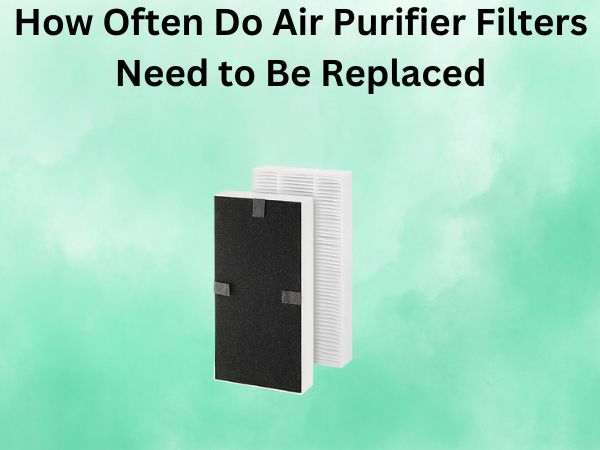
With lighter usage, you might expect your filters to last 6 to 8 months before needing replacement. Check them monthly, but you likely won’t need to replace them as frequently.
If You Run Your Purifier 12 to 16 Hours Daily
This is moderate usage. You should check your filters monthly and plan on replacing them every 3 to 6 months depending on your air quality.
If You Run Your Purifier Continuously
Twenty-four-hour operation means your filters work constantly. You’ll want to check them every 2 to 4 weeks and expect to replace them every 2 to 3 months. This is important because clogged filters reduce effectiveness and actually increase energy consumption as your motor works harder.
Smart Runtime Strategies for Maximum Effectiveness
You don’t have to stick with one rigid schedule. Many people find that varying their approach throughout the day works best.
Consider running your purifier on high speed when you’re actively using your space—during cooking, after having guests, or when pollen counts are highest. During times when you’re not home or when air quality is good, you might run it on a lower speed or skip it entirely.
Some purifiers have smart features that adjust speed based on air quality sensors. These devices can automatically increase runtime when they detect poor air quality and reduce it when air is clean, optimizing both effectiveness and energy use.
The Role of Other Air Quality Management Practices
Your air purifier works best as part of a comprehensive air quality management strategy, not as a standalone solution.
- Regular vacuuming with HEPA filters reduces the burden on your purifier
- Changing HVAC filters regularly improves your home’s overall air circulation
- Reducing humidity levels (keeping it between 30-50%) prevents mold and dust mite growth
- Minimizing smoking and avoiding strong chemical cleaners directly improves air quality
- Opening windows strategically, even for short periods, can help refresh stale indoor air
When you combine these practices with appropriate air purifier runtime, you create an environment that’s genuinely healthier.
Understanding Manufacturer Recommendations
Always check what the manufacturer of your specific air purifier recommends. Their guidance is based on the device’s capabilities, CADR rating, and intended use.
That said, manufacturers often provide general guidance rather than personalized recommendations. Your specific situation might call for more or less runtime than they suggest. Use their recommendations as a starting point, then adjust based on your results.
Conclusion
So, how long should your air purifier run daily? The honest answer is that it depends on your unique circumstances. For most people dealing with average air quality and no significant health concerns, running an air purifier for 8 to 10 hours daily provides noticeable benefits. For those with allergies, asthma, pets, or living in high-pollution areas, 12 to 16 hours daily is more appropriate. And for individuals with severe respiratory conditions or very poor air quality, continuous 24-hour operation makes sense.
The key is to start with a baseline recommendation, monitor how you’re feeling and how your home smells and looks, and adjust accordingly. Your air purifier should be working to improve your quality of life, not just running on autopilot. Pay attention to your symptoms, check your air quality, and don’t be afraid to experiment with different schedules until you find what works best for you and your family.
Remember, this is an investment in your health and comfort. While longer runtimes mean higher energy bills and more frequent filter replacements, the benefits of cleaner air—especially for vulnerable individuals—often justify the costs. Find the balance that works for your situation, and enjoy the fresh, clean air your purifier provides.
Frequently Asked Questions
Can I run my air purifier 24/7 without any problems?
Yes, you can run most modern air purifiers continuously without damage to the unit. However, continuous operation will increase your electricity costs and require more frequent filter replacements. Check your specific model’s manual, as some older or budget models might not be designed for continuous use. As long as your purifier is running 24/7, plan on checking filters every few weeks and replacing them every 2 to 3 months rather than the typical 6 to 12 months.
Will running my air purifier less often save me money?
Running your purifier fewer hours daily will reduce both your electricity costs and filter replacement frequency, saving you money in the short term. However, if you or someone in your household suffers from allergies or respiratory issues, the health benefits of running it longer might outweigh the savings. It’s about finding the right balance between cost and health benefits for your specific situation.
Does opening windows reduce the need to run my air purifier?
Opening windows can help refresh indoor air, but it also brings in outdoor pollutants, pollen, and contaminants. If you live in a clean area, strategic window opening combined with air purifier use is great. However, if you’re in a high-pollution area or have severe allergies, keeping windows closed and relying on your purifier is better. During high pollen season, opening windows might actually increase the workload on your purifier.
Should I run my air purifier while I’m sleeping?
Many experts recommend running your air purifier while sleeping, especially if you suffer from allergies or asthma. Allergens accumulate in your bedroom, and respiratory symptoms often worsen at night. Running your purifier during sleep ensures you’re breathing clean air throughout the night. Just make sure your purifier isn’t too loud—many brands offer quiet night modes specifically for this purpose.