How Long Should I Use an Air Purifier Daily? A Complete Guide to Optimal Usage
So, you’ve brought home a new air purifier, and now you’re likely asking: how long should it actually run each day? Is it a 24/7 commitment, or are a few hours enough to make a difference? The straightforward answer is that there’s no single perfect duration for everyone, but I’m here to guide you in finding the optimal usage for your specific environment.
Think of an air purifier like a gym membership—you wouldn’t necessarily need to be there every single day, but the more consistently you use it, the better your results. The key is finding that sweet spot between maintaining clean air and being energy-efficient.
Understanding How Air Purifiers Work
Before we dive into usage duration, let’s talk about what these devices actually do. Air purifiers work by pulling air through various filters—usually a pre-filter, HEPA filter, and activated carbon filter—to remove pollutants, allergens, and particles. When you run your purifier, it’s constantly cycling air through these filters to clean it.
The effectiveness of your air purifier depends on several factors, including the size of your room, the air changes per hour (ACH) rating, and the types of pollutants you’re trying to remove. It’s similar to how a water filter works differently depending on how much water needs to be filtered and how contaminated it is.
The Role of Room Size and Air Quality
Your room’s dimensions play a crucial role in determining how long you should run your purifier. A smaller bedroom requires less time to achieve clean air compared to a large living room or open-concept space. Air purifier manufacturers design their products with specific room sizes in mind, so check your device’s coverage area first.
How Long Should You Run Your Air Purifier Daily?
Here’s the straightforward answer: most experts recommend running your air purifier for at least 12 hours per day, though 24/7 operation is ideal for maximum air quality. However, I know that’s not always practical or necessary for everyone’s situation.
Think of it this way—if you leave your window open for an hour, it takes time to air out the room. Air purifiers work similarly. The longer they run, the more thoroughly they clean your environment. But running it constantly might feel excessive if you live somewhere with relatively clean air.
The 12-Hour Minimum Approach
Running your air purifier for a minimum of 12 hours daily ensures that the air in your space gets cycled through the filters multiple times. This is particularly important if you live in an area with moderate to high pollution, have pets, or suffer from allergies. Morning and evening—when you’re spending the most time indoors—are ideal times to prioritize usage.
The 24/7 Strategy for Maximum Benefits
If you really want to optimize your air quality, running your purifier continuously delivers the best results. Think of it as keeping a constant guard on the air you breathe. This approach is especially worthwhile if you have:
- Severe allergies or asthma
- Respiratory conditions
- Someone who smokes in your home
- Pets that shed significantly
- A home in a high-pollution area
- Someone with a weakened immune system
Factors That Determine Your Ideal Usage Duration
Let me break down the specific circumstances that should influence your decision about air purifier usage.
Air Quality in Your Area
If you live in a city known for air pollution or during wildfire season, you’ll want to run your purifier longer and more frequently. Conversely, if you live in a rural area with generally clean outdoor air, you might not need to run it as much. Check your local Air Quality Index (AQI) regularly to gauge your area’s pollution levels.
Indoor Air Pollutants and Allergens
Do you have pets? Do you cook frequently? Do household members have allergies? Each of these situations generates indoor pollutants that require longer purification times. Pet hair, cooking fumes, dust mites, and pollen accumulate throughout the day, so longer usage helps manage these contaminants.
Room Size and Air Purifier Capacity
Here’s where it gets practical. An air purifier’s effectiveness is measured by its Clean Air Delivery Rate, or CADR. If your purifier is sized appropriately for your room, it might clean the air completely in a few hours. However, pollutants continue to enter your space, so continuous operation prevents buildup.
Season and Weather Conditions
Winter presents different challenges than summer. During cold months, you’re more likely to keep windows closed, which means more indoor pollutants get recycled. In warmer months, open windows increase outdoor pollution entering your home. Adjust your usage accordingly with the seasons.
Health Conditions of Household Members
If anyone in your household has asthma, COPD, or other respiratory conditions, longer usage times are absolutely worthwhile. The same applies to very young children or elderly family members whose immune systems are more vulnerable.
Energy Consumption and Operating Costs
You’re probably wondering about electricity costs, right? Running an air purifier continuously does use electricity, but modern units are increasingly energy-efficient. Most air purifiers consume between 30 to 200 watts, depending on the model and fan speed.
Let’s do the math. A 100-watt purifier running 24/7 costs approximately $8-12 monthly in electricity. Compare that to the potential healthcare costs of dealing with respiratory issues, allergies, or air pollution-related illness. It’s an investment in your health.
Optimizing Energy Usage Without Sacrificing Quality
You don’t always need maximum speed. Running your purifier on medium or low settings still provides significant air cleaning while consuming less energy. Save high-speed operation for times when air quality is poor or during seasons with higher pollution.
Best Practices for Air Purifier Usage
Create a Consistent Schedule
Rather than running your purifier sporadically, establish a routine. Many people find success with this schedule: run it on high speed for 2-3 hours in the morning, medium speed during the day, and high speed again in the evening before bed. Others simply leave it on low speed all day and night.
Position Your Purifier Strategically
Where you place your air purifier affects how long it needs to run. Position it centrally in your room, away from walls and furniture that might block airflow. This ensures the device can efficiently cycle air and doesn’t need to run longer to compensate for poor placement.
Maintain Your Filter Regularly
A clogged filter forces your purifier to work harder and run longer to achieve the same results. Check your filters monthly and replace them according to the manufacturer’s recommendations. Think of it like changing your car’s oil—neglecting this step makes everything work less efficiently.
Monitor Indoor Air Quality
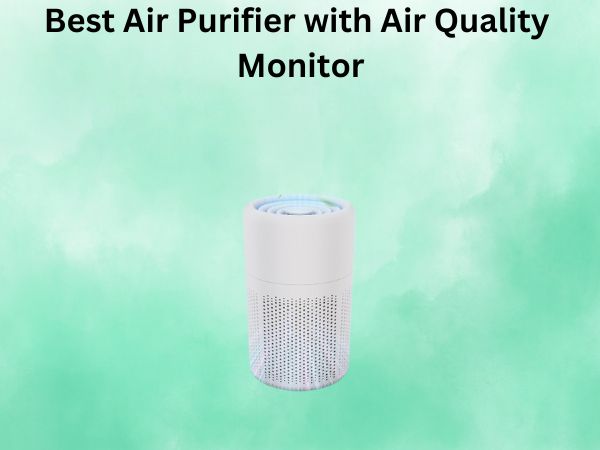
Many modern air purifiers include air quality monitors. Use this data to guide your usage decisions. If your monitor shows good air quality after a few hours of running, you might reduce usage temporarily. If quality drops quickly, increase your daily runtime.
Different Scenarios and Recommended Usage Times
For Allergy Sufferers
If you battle seasonal allergies, run your purifier for at least 16 hours daily, with continuous operation during peak allergy season. Focus on running it in your bedroom during nighttime to improve sleep quality.
For Pet Owners
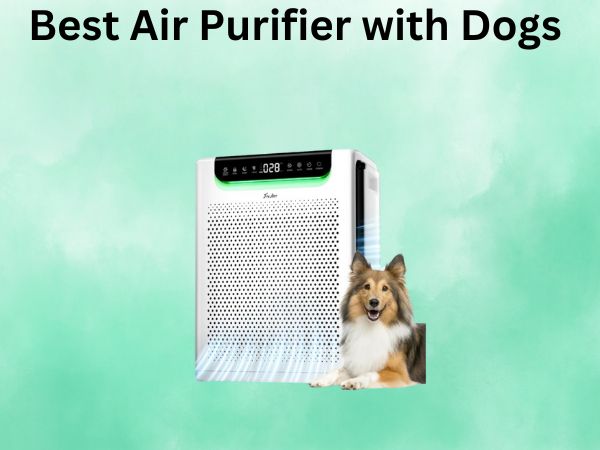
Pet owners should run their purifiers at least 12-16 hours daily. Pets shed constantly, and their dander becomes airborne throughout your home. Running your purifier during peak shedding seasons requires even longer operation.
For Smoke and Odor Control
If you’re dealing with smoke or persistent odors, continuous operation is really the best option. Smoke particles are small and pervasive, settling into fabrics and requiring extended filtration time.
For General Air Quality Maintenance
If you’re simply maintaining general air quality without specific health concerns, running your purifier 8-12 hours daily is usually sufficient. Focus on times when you’re home and spending the most time indoors.
Seasonal Adjustments to Your Air Purifier Schedule
Spring and Fall
During allergy seasons, increase your usage to 14-16 hours daily. If you keep your windows open during these seasons, your purifier works harder to filter outdoor pollutants, so longer operation helps.
Summer
Summer air quality can vary dramatically depending on your location. Coastal areas might have cleaner air, while inland regions may experience higher temperatures that increase ozone formation. Adjust your usage based on your local conditions.
Winter
Winter typically means closed windows and longer indoor residence time, making continuous or near-continuous operation more beneficial. Additionally, heating systems can dry air and increase dust circulation.
The Truth About Leaving Your Air Purifier On 24/7
Is it safe to leave your purifier running constantly? Absolutely. These devices are designed for extended operation. In fact, many people leave theirs running 24/7 without any issues. The motors in quality air purifiers are built to handle continuous use.
The only consideration is noise. Some purifiers are quieter than others, so if you’re sensitive to sound while sleeping, you might use a timer to turn off your device during sleep hours, or choose a quieter model designed for bedroom use.
Smart Air Purifier Features That Optimize Usage
Modern air purifiers come equipped with helpful features that can guide your usage decisions:
- Auto mode: automatically adjusts speed based on detected air quality
- Air quality sensors: display real-time pollution levels
- Smart scheduling: allows you to program specific on/off times
- Quiet sleep mode: reduces noise for nighttime operation
- Filter replacement alerts: remind you when to change filters
- Mobile app control: manage your purifier remotely
If your purifier has an auto mode, using it is an excellent way to optimize both air quality and energy efficiency. The device automatically runs longer when pollution is high and reduces speed during cleaner times.
When You Might Need Less Usage Time
Not everyone needs maximum usage time. Here are situations where shorter daily operation might suffice:
- Living in a rural area with minimal pollution
- No pets or household members with respiratory conditions
- Minimal cooking and smoking indoors
- Good outdoor air quality year-round
- A larger purifier than necessary for your room
Even in these cases, running your purifier at least 8 hours daily provides noticeable benefits compared to not using one at all.
Common Misconceptions About Air Purifier Usage
Myth: Running It Constantly Damages the Unit
This is false. Air purifiers are engineered to run continuously. Just maintain your filters as recommended, and your device will work reliably for years.
Myth: You Only Need It During Allergy Season
While allergies are a major reason people use purifiers, air pollution and indoor pollutants exist year-round. Year-long usage provides consistent benefits.
Myth: Longer Usage Means Proportionally Cleaner Air
Not quite. Running your purifier for four hours instead of two doesn’t clean air twice as well. There’s a point of diminishing returns, but consistent daily operation still provides substantial benefits.
Conclusion
So, how long should you use your air purifier daily? The honest answer is that it depends on your specific circumstances, but starting with 12 hours daily is a safe recommendation for most households. If you have allergies, pets, respiratory conditions, or live in a polluted area, consider running it 16-24 hours daily for maximum benefits. The investment in electricity is minimal compared to the health benefits you gain from breathing cleaner air.
Think of your air purifier as preventive medicine. Just as you maintain your home and car regularly, maintaining clean air is an investment in your long-term health and comfort. Listen to your purifier’s air quality sensors, monitor how you feel, and adjust your usage based on the seasons and your household’s needs. There’s no wrong answer—only what works best for you and your family.
Frequently Asked Questions
Is it okay to leave my air purifier running 24/7?
Yes, absolutely. Air purifiers are designed to operate continuously without damage. Many households leave theirs running constantly and experience excellent results. The only consideration is whether the noise level bothers you, but most modern units are quite quiet, especially on lower settings.
How many hours a day should I run my air purifier?
For optimal air quality, run your purifier at least 12 hours daily. However, if you have allergies, pets, respiratory conditions, or live in a high-pollution area, 16-24 hours of daily operation provides better results. You can adjust based on your specific needs and the air quality monitoring data your purifier provides.
Will running my air purifier continuously increase my electricity bill significantly?
Not dramatically. Most air purifiers consume 30-200 watts depending on the model and fan speed. Running a 100-watt unit continuously costs approximately $8-12 monthly in electricity. This is a minimal expense compared to potential health benefits and medical costs associated with poor air quality.
Should I turn off my air purifier when I leave home?
It depends on your schedule. If you’re gone for just a few hours, you can turn it off. However, if you’re away for extended periods and want to return to clean air, leaving it on a low or medium setting works well. If you’re away for weeks, turning it off makes sense unless you have specific concerns like pet odors or moisture issues.
Does the type of air purifier affect how long I should run it?
Yes, somewhat. HEPA purifiers are highly effective and might achieve clean air faster than other types. However, the specific model, room size, and CADR rating are more important than the purifier type. Check your device’s specifications and use its air quality monitor to determine optimal usage duration for your particular unit.
“`