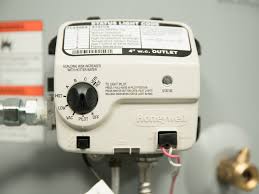
How to Adjust Water Temperature on Your Water Heater: A Complete Guide
Have you ever stepped into the shower and been blasted with water that’s either freezing cold or hot enough to cook an egg? I’ve been there, and it’s frustrating. The good news is that adjusting your water heater temperature isn’t rocket science. In fact, it’s one of those home maintenance tasks that takes just a few minutes but can save you money, extend your appliance’s lifespan, and keep your family safe. Let me walk you through everything you need to know about managing your water heater’s temperature like a pro.
Understanding Your Water Heater and Temperature Control
Think of your water heater as the heart of your home’s hot water system. Just like you need to keep your body temperature balanced, your water heater needs the right temperature settings to function optimally. Most water heaters come with a thermostat that controls how hot the water gets before it flows to your taps and showers.
The standard temperature recommendation from the Department of Energy is around 120 degrees Fahrenheit, but many people find their heaters set higher when they first get them. This higher setting actually costs you more in energy bills and increases the risk of scalding. Understanding where your thermostat is and how to adjust it is your first step toward taking control of your comfort and wallet.
Why Temperature Adjustment Matters
Energy Efficiency and Lower Bills
Let’s be honest—your water heater is one of the biggest energy consumers in your home. For every 10 degrees you lower the temperature setting, you can save about 3 to 5 percent on your energy costs. Over a year, that adds up. If you’re currently running your heater at 140 degrees and lower it to 120 degrees, you could see noticeable savings on your monthly utility bill without sacrificing comfort.
Safety Considerations
Water that’s too hot can cause serious burns, especially for children, the elderly, and people with sensitive skin. In fact, water at 156 degrees can cause a third-degree burn in just one second. Setting your heater to 120 degrees eliminates most scalding risks while still providing plenty of hot water for showers, cleaning, and laundry.
Extending Your Water Heater’s Lifespan
Running your water heater at excessively high temperatures puts extra stress on the equipment. It causes more rapid deterioration of the heating elements and internal components. By keeping your temperature at a reasonable level, you’re essentially extending the life of your investment.
Locating Your Water Heater’s Thermostat
Tank-Style Water Heaters
If you have a traditional tank-style water heater, the thermostat is usually located on the lower portion of the tank. Look for a dial or digital display with temperature markings. Most tanks have the thermostat behind a protective cover or panel. You might need to remove a metal plate or plastic cover to access it. Don’t worry—this is completely safe to do yourself.
Tankless Water Heaters
Tankless units are a different beast. These compact, wall-mounted systems typically have a digital control panel on the unit itself or sometimes a separate remote control. The controls are much more accessible, and you can usually adjust the temperature without removing anything. If you have one of these modern systems, you’re in luck—adjustment is even easier than with traditional tanks.
Heat Pump Water Heaters
These energy-efficient models also feature digital controls, usually on the front panel or accessible through a smartphone app if it’s a smart-enabled unit. The adjustment process is similar to tankless systems, though you might have additional settings to explore.
Step-by-Step Instructions for Adjusting Temperature
What You’ll Need
- A flathead screwdriver (for some dial-style thermostats)
- A thermometer (to verify the actual water temperature)
- Your water heater’s manual (helpful but not essential)
- Patience and five minutes of your time
For Traditional Tank Water Heaters
First, turn off the power to your water heater. If it’s electric, flip the breaker. If it’s gas, turn the dial to the pilot position. Safety first—you don’t want any accidents while you’re working.
Next, locate the access panel covering your thermostat. You’ll usually find it on the side of the tank. Remove this panel carefully. Inside, you’ll see either a dial or a digital display. If it’s a dial, you’ll use a flathead screwdriver to adjust it. Turn the screw clockwise to increase the temperature or counterclockwise to decrease it. If it’s digital, look for buttons labeled with plus and minus signs.
Make small adjustments—move the dial or press the buttons incrementally. You don’t want to jump from 140 degrees to 100 degrees all at once. Aim for around 120 degrees, or adjust based on your preferences. Put the access panel back on, restore power, and wait about 30 minutes for the water to reach the new temperature.
For Tankless Water Heaters
With a tankless system, you have it much easier. Simply locate the control panel on the unit. Use the display screen to navigate to the temperature settings. This is usually done through a menu system with directional buttons. Adjust to your desired temperature—again, 120 degrees is the sweet spot for most people. The change takes effect almost immediately since there’s no large tank of water to reheat.
For Digital or Smart-Enabled Units
If your water heater has a digital thermostat, look for a display screen with temperature readings. Navigate through the menu options using the buttons provided. Some newer models let you adjust temperature through a dedicated smartphone app, which is incredibly convenient. Just open the app, find the temperature setting, and adjust as needed.
Verifying Your Temperature Adjustment
After you’ve made your changes, you need to confirm that the temperature is actually where you want it. Here’s how to do that correctly. Turn on a hot water tap—your kitchen sink works great for this. Let the water run for about a minute to ensure you’re getting water that’s been through the system, not just what’s been sitting in the pipes.
Place a thermometer under the running water and take a reading. This should be your actual hot water temperature. If it matches your thermostat setting, you’re golden. If not, you might need to make further adjustments. Sometimes it takes a couple of tries to dial it in perfectly, and that’s completely normal.
Common Temperature Settings and Their Uses
The Conservative Setting: 110 to 120 Degrees
This range is ideal if you’re prioritizing energy savings and safety. It provides comfortable hot water for bathing and cleaning while minimizing scalding risk and reducing your energy consumption. This is the setting I recommend for most households.
The Standard Setting: 120 to 130 Degrees
This is the traditional “comfortable” range that provides good hot water pressure and temperature for most household tasks. It’s warm enough for dishes and showers but not so hot that it becomes dangerous or wasteful.
The High Setting: 130 to 140 Degrees
Some people prefer hotter water for laundry or commercial dishwashing applications. However, this setting increases energy costs and scalding risks significantly. If you’re using this range, make sure you have anti-scald devices installed on your faucets and showerheads.
Seasonal Adjustments and Smart Temperature Management
Did you know that you can adjust your water heater temperature seasonally? During warmer months, you might be able to lower your setting slightly since ambient temperatures are higher, and you probably use less hot water anyway. In winter, you might need a slightly higher setting to maintain comfort. This kind of strategic adjusting can yield additional energy savings without affecting your daily life.
If you’re going on vacation, lowering your water heater temperature or even turning it to vacation mode can save money while you’re away. Just remember to turn it back up when you return home.
Troubleshooting Temperature Problems
Water Temperature Won’t Stay Consistent
If your hot water keeps fluctuating between hot and cold, you might have a problem with your thermostat or mixing valve rather than a simple adjustment issue. Check if your thermostat dial moves freely or if the digital display responds to your inputs. If neither works properly, you might need professional assistance.
Water Is Still Too Hot After Lowering Settings
Sometimes water temperature doesn’t match thermostat settings due to sediment buildup in the tank. This insulating layer prevents proper heat transfer. You might need to flush your water heater to resolve this issue. It’s a relatively simple maintenance task that involves draining some water from the bottom of the tank to remove accumulated sediment.
No Hot Water at All
If you’ve adjusted your thermostat and suddenly have no hot water, you might have accidentally turned off power to the unit or set it too low. Check that power is on and verify your settings. If power is on but still no hot water appears, you might have a heating element failure that requires professional repair.
Advanced Temperature Control Features
Anti-Scald Devices
Modern water heaters often come equipped with or can be fitted with anti-scald devices. These thermostatic valves automatically limit water temperature at the tap to prevent burns, regardless of your heater’s thermostat setting. If you have young children or elderly family members, these devices are invaluable additions to your plumbing system.
Programmable and Smart Controls
The newest water heater models offer programmable controls that let you set different temperatures for different times of day. You could have lower temperatures during sleeping hours and higher temperatures during morning shower time. Some smart water heaters even learn your usage patterns and optimize temperature settings automatically.
Remote Access and Monitoring
If you have a smart-enabled water heater, you can monitor and adjust your temperature from anywhere using a smartphone app. This is perfect for those moments when you’re away from home and realize you might have left the heater running unnecessarily.
When to Call a Professional
Most temperature adjustments are DIY-friendly, but there are situations where professional help is necessary. If your thermostat won’t respond to adjustments, if you smell gas coming from a gas-powered heater, or if you notice water leaking from the tank, stop what you’re doing and call a licensed plumber or HVAC technician. These signs indicate problems beyond simple temperature adjustment.
Additionally, if you’re uncomfortable working with your water heater at all—whether due to fear of electrical hazards, gas lines, or simply lack of mechanical confidence—there’s no shame in calling someone with professional expertise. It’s a relatively inexpensive service call, and it ensures the job is done safely and correctly.
Money-Saving Tips Related to Water Heater Temperature
Beyond just adjusting the thermostat, you can save money in several related ways. Install a water heater blanket or insulation jacket on an older tank to reduce heat loss through the sides of the unit. Insulate hot water pipes to prevent heat loss as water travels from the heater to your taps. Fix any leaking hot water faucets immediately—a slowly dripping hot water tap can waste hundreds of gallons annually.
Consider upgrading to a high-efficiency model if your current water heater is over 10 years old. Newer units use significantly less energy, and the long-term savings often justify the upfront investment. Some utility companies even offer rebates for upgrading to energy-efficient water heaters.
Special Considerations for Different Household Situations
Homes with Young Children
If you have babies or toddlers in your home, err on the side of caution with temperature. Keep your setting at 120 degrees or lower, and consider installing tempering valves at each bathroom. These devices provide an extra layer of protection against accidental scalding during bath time.
Multi-Story Homes
In larger homes, you might find that water takes longer to reach upper floors, meaning it cools down en route. You might need a slightly higher heater setting to ensure comfortable temperatures throughout your home. Alternatively, installing a recirculation system can help maintain consistent temperatures.
Homes with Older Residents
Older individuals often prefer hotter water for bathing and are less sensitive to scalding risks due to slower nerve response. However, their skin is more vulnerable to burns. This paradox means you should maintain a 120-degree setting for safety while potentially installing anti-scald devices to prevent accidents.
Conclusion
Adjusting your water heater temperature is a simple yet impactful home maintenance task that you absolutely can handle yourself. Whether you’re looking to save money on energy bills, improve safety, or simply optimize your comfort, understanding how to adjust your water heater is essential knowledge for any homeowner. The standard 120-degree Fahrenheit setting provides the perfect balance between safety, comfort, and energy efficiency for most households.
Remember to take your time, make small adjustments, and verify your changes with an actual temperature reading. If you encounter problems that go beyond simple thermostat adjustment, don’t hesitate to call a professional. Your water heater is a valuable appliance that deserves proper care and attention. By taking control of its temperature settings, you’re taking control of your home’s comfort and your family’s safety.
Frequently Asked Questions
What is the ideal water heater temperature for a family home?
The ideal temperature for most family homes is 120 degrees Fahrenheit. This setting provides a good balance between energy efficiency and household comfort while minimizing scalding risks, especially important if you have young children. The Department of Energy specifically recommends this temperature for residential use. If you have elderly family members or anyone with sensitive skin, maintaining 120 degrees is even more important for safety.
How long does it take for a water heater to reach a new temperature after adjustment?
For traditional tank-style water heaters, it typically takes 30 minutes to an hour for the entire tank to reach the new temperature setting. For tankless water heaters, the change is nearly instantaneous because there’s no large reservoir to reheat. The exact timing depends on your tank size, the temperature difference, and how much hot water is being used in your home during the adjustment period.
Can adjusting my water heater temperature affect my water pressure?
Temperature adjustment alone doesn’t directly affect water pressure, but it can indirectly impact it through thermal expansion. Hot water takes up more space than cold water, so higher temperatures can increase pressure in your pipes. If you’re experiencing pressure problems, they’re more likely related to your plumbing system itself rather than temperature settings. However, lowering your water heater temperature slightly might help if you’ve been dealing with excessive pressure issues.
Is it safe to adjust my water heater temperature myself?
Yes, adjusting your water heater temperature is generally safe to do yourself, especially for the thermostat adjustment itself. However, always turn off power first—flip the breaker for electric units or turn the dial to pilot for gas units. Avoid touching heating elements or disturbing the water lines. If you feel uncomfortable at any point, it’s perfectly fine to call a professional plumber to handle the adjustment for you.
Why is my water heater temperature different from what the thermostat says?
Several factors can cause this discrepancy. Sediment buildup in the tank insulates water and prevents proper temperature readings. The thermostat sensor itself might be faulty or misaligned. Scaling on heating elements reduces