How to Check a Water Pump on a Car: A Complete DIY Guide
What Exactly Is a Water Pump and Why Should You Care?
Let me paint you a picture. Imagine your engine as a hardworking athlete during an intense workout. Without proper cooling, that athlete would overheat and collapse. Your water pump is the coach keeping everything in check, circulating coolant throughout the engine to absorb heat and prevent overheating.
The water pump is a mechanical device, typically driven by a belt connected to your engine’s crankshaft. It spins continuously while your engine runs, forcing coolant through passages in your engine block and radiator. When this pump fails, your engine temperature skyrockets, and you’re looking at potentially catastrophic engine damage.
That’s why checking your water pump regularly isn’t just maintenance – it’s insurance against a very expensive repair bill.
Common Warning Signs That Your Water Pump Is Struggling
Overheating Engine Temperature
If your temperature gauge is creeping toward the red zone more frequently, your water pump might be losing its grip. A failing pump can’t circulate coolant effectively, causing temperatures to rise. This is probably the most obvious sign something’s wrong.
Sweet-Smelling Coolant Leaks
Have you ever noticed a sweet-smelling puddle under your car? That’s likely coolant, and it often points directly to your water pump. The seals and gaskets in the pump can wear out, causing leaks that drain your cooling system.
Steam Rising from Under the Hood
Steam is your engine’s way of sending you a distress signal. If you see steam and smell that sweet coolant scent, pull over immediately. Continuing to drive could cause irreversible engine damage.
Grinding or Squealing Noises
Your water pump has an internal bearing that can wear out. When it does, you’ll hear grinding or squealing sounds, especially when you first start the engine. This noise indicates the bearing is failing and the pump won’t be far behind.
Visible Rust or Corrosion Around the Pump
Corrosion is like rust’s aggressive cousin. If you see it around your water pump, the component is deteriorating from the inside out.
What You’ll Need Before Getting Started
Essential Tools and Materials
- A working flashlight or headlamp
- Jack and jack stands for lifting your car
- Wrench set or socket set
- Screwdriver set (Phillips and flathead)
- Container for catching coolant if needed
- Clean rags or paper towels
- Safety glasses
- Work gloves
- Owner’s manual for your specific vehicle
- Thermometer (optional but helpful)
You don’t need to buy specialized equipment. Most of these items are probably already in your garage. If you don’t have them, they’re inexpensive investments that’ll help with other maintenance tasks too.
Safety First: Precautions You Can’t Ignore
Before you touch anything under that hood, let’s talk safety because a scalded hand or worse isn’t worth any car repair.
Let Your Engine Cool Completely
This is non-negotiable. Coolant and engine parts can reach temperatures exceeding 200 degrees Fahrenheit. Give your engine at least 30 minutes to cool after running. If you absolutely must check things sooner, wear protective gloves and be extremely careful around hoses and the radiator.
Disconnect the Negative Battery Terminal
This prevents accidental electrical shocks and ensures nothing unexpected happens while you’re working. Just locate your battery, find the negative terminal (marked with a minus sign), and loosen the cable connection.
Work in a Well-Ventilated Area
If you’re working in a garage, open the doors. Fumes from coolant and other engine fluids aren’t something you want filling your lungs for hours.
Never Open the Radiator Cap on a Hot Engine
The pressure inside can cause scalding coolant to spray out like a geyser. Always wait for the engine to cool, and even then, place a thick cloth over the cap and loosen it slowly.
Step-by-Step: How to Visually Inspect Your Water Pump
Locate Your Water Pump
Your water pump’s location depends on your vehicle’s make and model. In most cars, it’s mounted on the front of the engine, often beneath or behind the serpentine belt. Check your owner’s manual for the exact location – it’s always the best resource for your specific vehicle.
Look for Obvious Signs of Damage
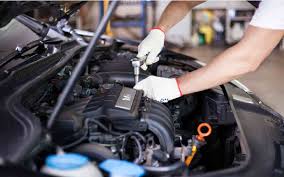
Once you’ve found it, grab your flashlight and take a good look. Are there cracks in the housing? Does the pump look corroded? Is there dried coolant crusted around the seals? These are all red flags indicating problems.
Check the Pump Bearing by Rotating the Shaft
If you can access the pump shaft, try rotating it gently by hand (with the engine off and cooled). It should turn smoothly without wobbling or grinding sounds. A grinding sensation means the internal bearing is shot.
Inspect All Connected Hoses
The hoses carrying coolant to and from your water pump should be firm but flexible. If they’re soft, mushy, or cracked, they’re failing and need replacement. Squeeze them gently – they shouldn’t feel hard as a rock or completely mushy.
Testing Coolant Circulation: The Real Test
The Feel Test While Running
This is one of my favorite checks because it requires no special equipment. With your engine running and warm (but not piping hot), carefully feel the upper radiator hose. It should be hot because coolant flowing from the engine to the radiator should be scalding. Then feel the lower hose – it should be cooler because it’s returning from the radiator.
If both hoses are cold, your pump isn’t circulating coolant. If both are equally hot, there might be a thermostat issue, but the pump is likely working.
Watching the Radiator Fan Behavior
A functioning water pump keeps the engine at the right temperature. If your radiator fan is constantly running but the engine is still overheating, your pump probably isn’t moving coolant effectively.
The Pressure Cap Test
A good cooling system maintains pressure, which raises the boiling point of coolant. If your cooling system lacks pressure, coolant boils and steam forms – a classic sign of pump failure. You can have this tested at a shop, but many auto parts stores offer free pressure testing.
Listen to What Your Car Is Telling You
Identifying the Bearing Noise
The water pump bearing can deteriorate long before the pump stops working entirely. When it does, you’ll hear a distinctive grinding or squealing sound. Start your engine and listen carefully. Does the sound go away as the engine warms up? Squealing that disappears is usually a serpentine belt issue. Grinding that persists or worsens indicates a bearing problem.
The Sound Test Method
Open your hood and have someone rev the engine while you listen. Ask them to accelerate gradually from idle to about 2,000 RPM. A water pump bearing failure becomes more pronounced at higher RPMs because the bearing rotates faster.
The Leak Inspection: A Critical Check
Where Water Pumps Typically Leak
Water pumps fail most commonly at their seals. The pump has a weep hole – a small hole in the pump housing designed to show you if the internal seals are failing. If coolant is leaking from this hole, your pump is dying.
Other leak points include where the pump bolts to the engine block and around the shaft seal. These leaks might be slow – just a few drops a week – or rapid, depending on how far the failure has progressed.
Performing the Leak Test
- Park on clean pavement and note any existing stains
- Run your engine for a few minutes
- Turn off the engine and let it sit for 10 minutes
- Check underneath for fresh coolant leaks
- Look specifically at the pump housing and weep hole area
- Mark any wet spots with chalk if you need to monitor them over time
If you find fresh coolant under your car that wasn’t there before, you’ve likely identified your problem.
Temperature Monitoring: The Numbers Don’t Lie
Understanding Your Temperature Gauge
Your dashboard temperature gauge tells you plenty. Under normal driving conditions, it should sit somewhere in the middle. If it’s consistently creeping higher, your cooling system – potentially including your water pump – is struggling.
Using a Thermometer for Precise Measurement
For a more scientific approach, you can use an infrared thermometer to check coolant temperature at various points. The top radiator hose should be significantly hotter than the bottom one if coolant is circulating properly. A small difference means poor circulation – possible pump failure.
Long-Distance Drive Test
Take your car on a 30-minute highway drive on a warm day. Your engine temperature should remain stable. If it climbs continuously, especially if you’re not in heavy traffic, your water pump might not be doing its job.
What to Do If You’ve Spotted Problems
Don’t Ignore the Warning Signs
If your inspection revealed any of these issues – leaks, grinding noises, overheating, or poor coolant circulation – your water pump is telling you it’s time for replacement. Ignoring these signs is like ignoring a check engine light; things only get worse and more expensive.
Document Everything You Find
Take photos of any leaks, corrosion, or damage. Write down when you noticed symptoms and what conditions triggered them. This information helps a mechanic diagnose problems quickly and accurately.
Get a Professional Diagnosis
If you’re unsure about your findings, take your vehicle to a trusted mechanic. They have diagnostic equipment and experience that can confirm whether your pump is truly failing or if another component is causing the symptoms.
Prevention: Keep Your Water Pump Healthy
Regular Coolant Flushes
Old coolant becomes corrosive and acidic. Regular flushes remove this degraded fluid and replace it with fresh coolant. Most manufacturers recommend flushing every 30,000 to 50,000 miles, though it varies. Check your owner’s manual for specific recommendations.
Use the Right Coolant Type
Not all coolants are created equal. Using the wrong type can damage your pump and radiator. Stick with what your owner’s manual specifies – whether that’s green, orange, pink, or blue coolant.
Keep Your Serpentine Belt in Good Shape
Your water pump is driven by this belt. A worn or frayed belt doesn’t turn the pump efficiently. Replace it according to your manufacturer’s schedule, typically every 50,000 to 100,000 miles.
Monitor Coolant Levels Regularly
Low coolant can cause your pump to cavitate – basically spinning without sufficient fluid to move. Check your coolant level monthly and top it off if needed with the proper type.
Don’t Ignore Overheating
Every time your engine overheats, you stress the water pump and other cooling components. Address overheating issues immediately rather than accepting it as normal.
When Professional Help Is Your Best Option
Complex Diagnostic Needs
If you can’t identify the cause of overheating or cooling issues, a professional mechanic has diagnostic equipment you don’t have access to. They can run tests that provide definitive answers.
Difficult Access Situations
Some vehicles have the water pump positioned in extremely tight spaces. Accessing it requires removing multiple other components. If your car falls into this category, professional replacement makes sense.
Warranty Considerations
If your vehicle is under warranty, attempting repairs yourself might void it. Always check your warranty terms before diving into repairs.
Time and Confidence Factors
Not everyone enjoys working on cars, and that’s perfectly fine. If you’re not confident in your diagnostic skills or don’t have the time, a mechanic can do the work properly and quickly.
Conclusion
Checking your water pump isn’t rocket science – it’s a series of straightforward inspections and tests that any car owner can perform. By staying alert to warning signs, conducting regular visual inspections, and understanding how your cooling system works, you can catch problems early before they become expensive disasters.
Remember, your water pump works tirelessly every time your engine runs. Treating it right with proper maintenance and addressing issues quickly ensures your car stays cool, literally. Whether you handle the diagnostics yourself or take your vehicle to a professional, the key is taking action when something seems off.
Your engine will thank you for the attention, and your wallet will thank you for preventing major repairs down the road. Now get out there and take a look under that hood – you’ve got this!
Frequently Asked Questions About Water Pump Checks
How long does a water pump typically last before needing replacement?
Most water pumps last between 80,000 and