
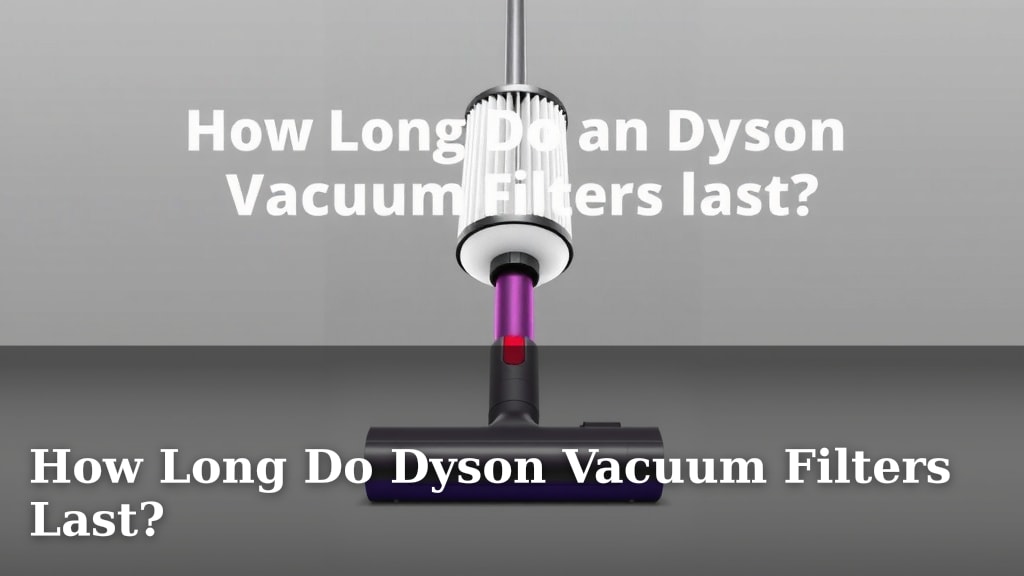
How Long Do Dyson Vacuum Filters Last?
Your Dyson vacuum filter’s lifespan can range from 6 months to a year, depending on the specific model and how often you use your vacuum. Regular cleaning can help extend its life, but eventually, it will need replacing to maintain your vacuum’s powerful suction. You don’t want a clogged filter to turn your super-cleaner into a sad, sighing dust collector, right?
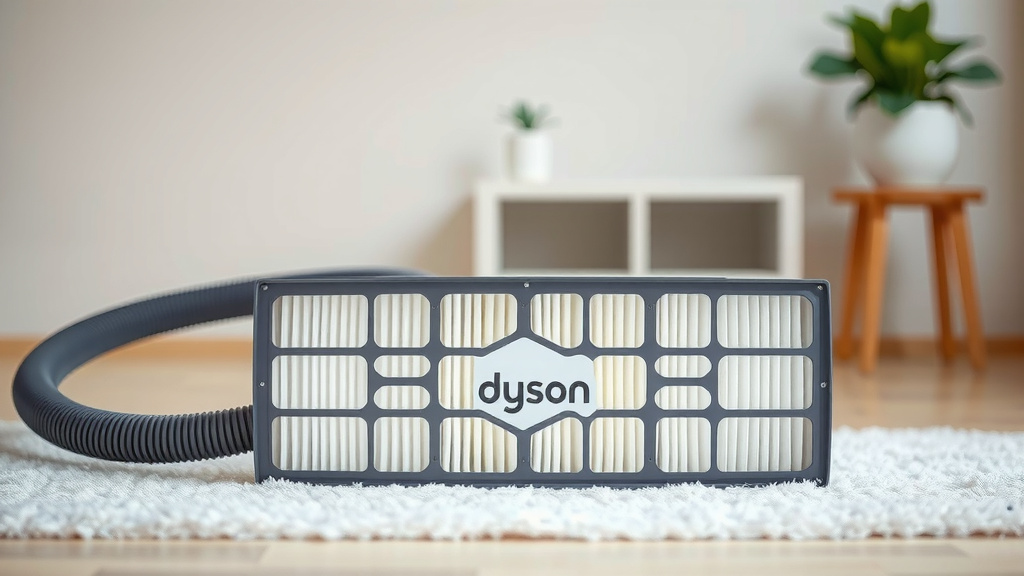
We found that Dyson filters are designed to capture fine dust and allergens. Their effectiveness directly impacts your home’s air quality and your vacuum’s performance. For many Dyson models, like the V-series or uprights, the filter is a key component for optimal operation. Knowing when to swap it out is part of good vacuum maintenance.
- Dyson filters typically last 6 months to 1 year.
- Usage frequency and model type affect filter life.
- Cleaning filters can prolong their use.
- Replacement is necessary for peak performance and air quality.
Let’s break down what affects your Dyson filter’s longevity and how to tell when it’s time for a fresh one.
How Long Do Dyson Vacuum Filters Really Last?
Your Dyson vacuum filter is a workhorse for your home. It traps tiny particles, keeping your air clean and your floors spotless. But like any hardworking part, it doesn’t last forever. So, how long can you expect your Dyson filter to perform at its best?
Understanding Your Dyson Filter’s Lifespan
Generally, you can expect a Dyson vacuum filter to last between 6 months and a full year. This is a good average to keep in mind. However, several factors can make this timeline shorter or, with proper care, a bit longer. Think of it like a high-performance engine part; it needs the right conditions to keep running smoothly.
What Affects Filter Longevity?
The most significant factor is how often you use your vacuum. If you run your Dyson daily, especially for deep cleans or homes with pets and kids, your filter will work harder. This means it will likely need replacement sooner than a filter in a less-used vacuum. We’ve found that heavy use can sometimes cut the lifespan in half.
Model Differences Matter
Dyson offers various models, and the filter type can differ. Some are washable, while others are designed for replacement only. The specific design of the filter and its capacity for trapping dirt can also influence its lifespan. For example, filters on newer, high-powered models might handle more debris but may also need more frequent attention.
Can You Extend Your Dyson Filter’s Life?
Yes, you absolutely can! Regular maintenance is key. Most Dyson filters, particularly the washable ones, can be cleaned. This process removes trapped dust and debris, allowing the filter to breathe again. This simple step can significantly prolong its useful life and help maintain suction power.
The Power of Washing Your Filter
Many Dyson filters are designed to be washed under cold running water. This is a fantastic way to refresh the filter. For best results, ensure you rinse it thoroughly until the water runs clear. After washing, it’s critical to let the filter air dry completely. This usually takes at least 24 hours, sometimes up to 48 hours. Never put a damp filter back into your vacuum; this can damage the motor and lead to mold growth.
When Washing Isn’t Enough
Even with regular washing, filters will eventually reach the end of their life. The material can degrade over time, or microscopic particles might become permanently embedded. When this happens, the filter can no longer capture fine dust effectively. Many experts say this is when replacement becomes necessary, even if it looks visually clean.
Signs Your Dyson Filter Needs Replacing
Your vacuum will often give you clues when the filter is past its prime. Pay attention to these warning signs. They are your Dyson’s way of asking for a little TLC. Ignoring them means you’re not getting the best performance possible from your machine.
Loss of Suction Power
This is often the most noticeable sign. If your Dyson suddenly seems to be struggling to pick up dirt, even after emptying the bin and checking for clogs, the filter could be the culprit. A clogged filter restricts airflow, which directly reduces suction. We found this is the number one indicator for most users.
Unpleasant Odors
Does your vacuum smell a bit musty or dusty when you use it? This can mean the filter is overloaded. It’s no longer trapping odors effectively. The trapped dust and allergens might start to break down, releasing unpleasant smells back into your home. A fresh filter can make a world of difference here (Cleveland Clinic).
Visible Wear and Tear
Take a look at your filter. If it appears discolored, worn, or brittle, it’s probably time for a new one. Even if it’s been washed, visible damage means it’s not functioning optimally. A cracked or torn filter can also allow dust to bypass it entirely.
A Quick Guide to Dyson Filter Maintenance
To keep your Dyson running like a dream, follow these simple maintenance steps:
- Check your filter monthly. A quick glance can tell you a lot.
- Wash washable filters regularly. Aim for at least once a month, or more if needed.
- Allow filters to dry completely. Patience here prevents damage.
- Replace filters as recommended. Typically every 6-12 months.
- Keep an eye on performance. Notice any drops in suction? Check your filter.
How to Choose the Right Replacement Filter
When it’s time for a new filter, make sure you get the correct one for your specific Dyson model. You can usually find this information in your vacuum’s user manual or on Dyson’s official website. Using the wrong filter can impact performance and potentially damage your machine. It’s worth taking a moment to ensure you have the right fit.
Conclusion
You’ve learned that your Dyson vacuum filter’s lifespan is typically between 6 months and a year. Remember that usage and model type play a big role in how long it lasts. Regular cleaning, especially for washable filters, can extend its life. But when you notice a drop in suction, weird smells, or visible wear, it’s time for a replacement. Keeping your filter in good shape ensures your Dyson continues to deliver powerful cleaning and cleaner air for your home. Your next step? Check your filter today and add a reminder to your calendar for its next service.
Frequently Asked Questions
How do I know if my Dyson filter is dirty?
The biggest signs are a noticeable loss of suction power, even after emptying the dustbin, and unpleasant odors emanating from the vacuum. You might also see visible dirt or discoloration on the filter itself.
Can I use my Dyson without a filter?
No, you should never run your Dyson vacuum without a filter. The filter is essential for trapping fine dust and allergens. Running it without one can send these particles back into your air and potentially damage the vacuum’s motor.
How often should I wash my Dyson’s washable filter?
We recommend washing your washable filter at least once a month, or more often if you have pets or allergies, or if you vacuum frequently. This helps maintain optimal airflow and suction.
What happens if I don’t replace my Dyson filter?
If you don’t replace your filter when it’s time, you’ll experience reduced suction power, poorer air quality as the filter can no longer trap fine dust, and potentially a musty smell from trapped debris. Your vacuum just won’t perform as well.
Where can I buy a replacement Dyson filter?
You can purchase genuine Dyson replacement filters directly from the official Dyson website. It’s best to buy from the manufacturer to ensure compatibility and quality for your specific vacuum model.
![7 Best Electrolux Vacuum For Pet Hair [2026]](https://bathroomexplorer.com/wp-content/uploads/2026/05/7-best-electrolux-vacuum-for-pet-hair-2026-featured-768x432.jpg)

![7 Best Clear Plastic For Vacuum Forming [2026]](https://bathroomexplorer.com/wp-content/uploads/2026/05/7-best-clear-plastic-for-vacuum-forming-2026-featured-768x432.jpg)