

How Long Does It Take to Vacuum a House?
The time it takes to vacuum a house generally falls between 15 minutes and 1 hour. This range depends heavily on the size of your home and the types of flooring you have. You might be surprised how much time vacuuming can take!
We found that factors like the number of rooms, furniture, and even whether you have pets can impact your cleaning duration. Most people aim for a quick yet thorough job. Keeping your home tidy doesn’t have to be a marathon.
- Average time: 15-60 minutes.
- Depends on home size and flooring.
- Pets and clutter add time.
- Regular vacuuming saves time later.
Let’s break down the factors that influence how long your vacuuming session will be.
Understanding Your Vacuuming Time Commitment
So, you’re wondering about the actual time commitment for vacuuming your house. We’ve found that most people can expect to spend anywhere from 15 minutes to an hour cleaning their floors. This timeframe is a general guide. Your personal experience will likely fall within this range.
Several factors can either speed up or slow down your vacuuming routine. Think of it like getting ready for a party. The amount of time you need depends on the size of the party and how much effort you want to put into your look, right?
Key Factors Influencing Vacuuming Duration
Let’s break down the elements that truly dictate how long you’ll be pushing that vacuum. Understanding these can help you budget your time more accurately.
Home Size Matters Most
The most obvious factor is the square footage of your home. A larger home naturally requires more floor space to cover. A sprawling ranch-style house will take longer than a compact studio apartment.
We found that a small apartment (under 800 sq ft) might only take 15-20 minutes. A medium-sized home (1500-2000 sq ft) could easily push that to 30-45 minutes. Larger homes (2500+ sq ft) can stretch vacuuming time to an hour or more.
Flooring Type and Its Impact
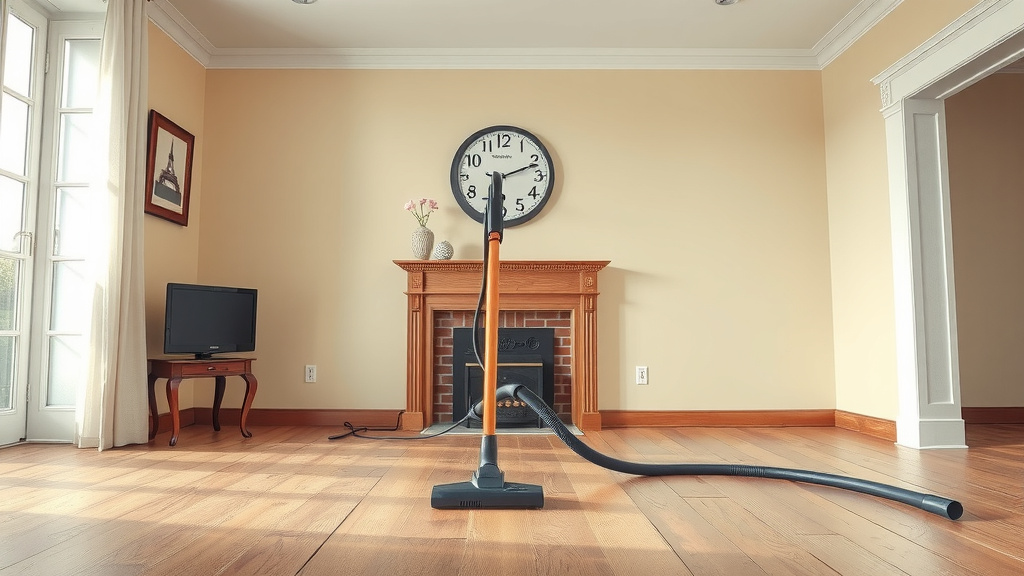
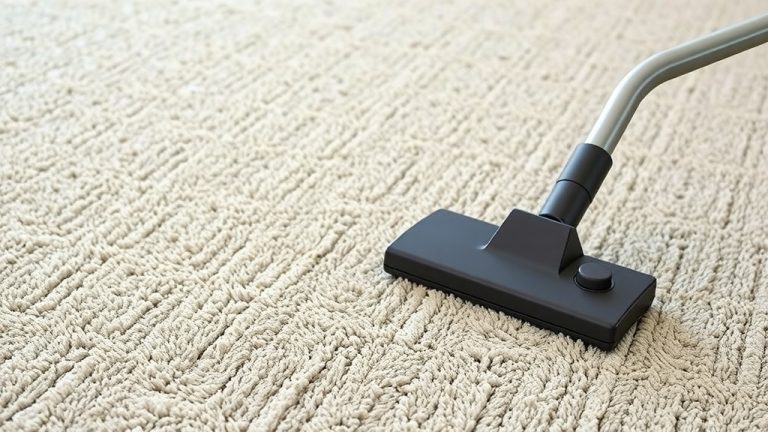
The type of flooring in your home plays a surprisingly big role. Carpets, especially those with a deep pile, require more effort to clean than hard surfaces like hardwood or tile.
Vacuuming carpet often means the machine has to work harder to lift embedded dirt. This can slow your pace. Hard floors can be quicker, though some vacuums might require different settings or attachments.
Some experts suggest that using a vacuum designed for your specific flooring can save time. For instance, a powerful upright vacuum is great for thick carpets. A lighter stick vacuum might be perfect for quick cleanups on hard floors.
The Clutter Factor
Do you have a lot of furniture, toys, or general clutter on the floor? This can significantly increase your vacuuming time.
Every chair leg, table base, or toy bin becomes an obstacle. You’ll need to maneuver around them, adding extra steps and time. Tidying up beforehand is often a great shortcut.
Obstacles and Furniture Layout
Think about the layout of your rooms. Are there lots of tight corners? Is your furniture densely packed?
Navigating around obstacles takes more time than vacuuming a wide-open space. Many people find that arranging furniture to allow for easier vacuuming paths can help long-term. This is especially true if you vacuum regularly.
The Pet Variable
Ah, pets! We love them, but their shedding can turn a quick vacuum into a more involved cleaning session.
If you have dogs or cats that shed, you’ll likely find yourself vacuuming more frequently. You might also need to go over areas multiple times to effectively remove pet hair. This is a common challenge many pet owners face.
We found that pet owners often dedicate an extra 10-15 minutes per session specifically for pet hair removal. Specialized pet grooming tools that attach to your vacuum can also impact time, sometimes by making the initial vacuuming faster.
Estimating Your Personal Vacuuming Time
Let’s try to give you a more personalized estimate. Consider these points:
A Quick Estimate Table
This table offers a rough idea based on common scenarios. Remember, these are just averages!
| Home Size (Approx.) | Flooring Type | Estimated Vacuuming Time |
|---|---|---|
| Small (under 800 sq ft) | Mostly Hardwood/Tile | 15-20 minutes |
| Small (under 800 sq ft) | Mixed or Carpeted | 20-30 minutes |
| Medium (1500-2000 sq ft) | Mostly Hardwood/Tile | 25-35 minutes |
| Medium (1500-2000 sq ft) | Mixed or Carpeted | 35-50 minutes |
| Large (2500+ sq ft) | Mostly Hardwood/Tile | 40-60 minutes |
| Large (2500+ sq ft) | Mixed or Carpeted | 60+ minutes |
What About Different Vacuum Types?
The type of vacuum you use can also influence speed. A powerful corded vacuum might cover large areas faster. A cordless stick vacuum is excellent for quick, daily touch-ups but might require more passes on thick carpets.
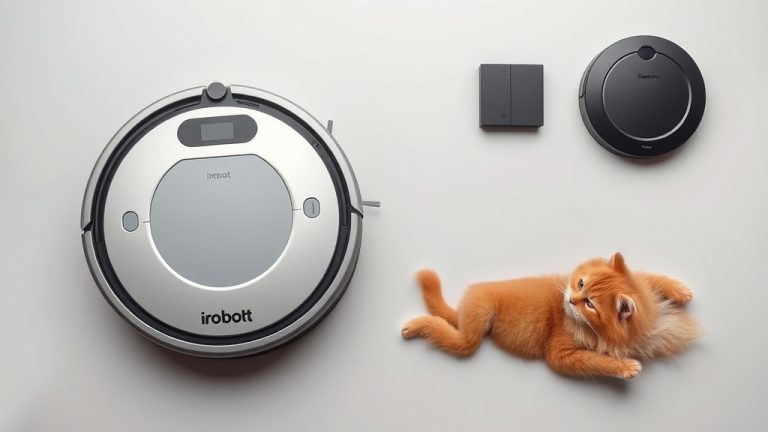
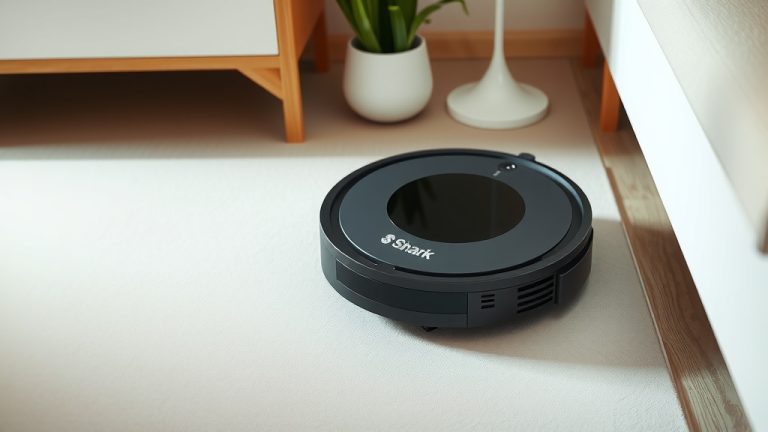
Robot vacuums are in a category of their own. They can take an hour or more to cover a space, but they do it autonomously. This means your time investment is minimal, though the overall cleaning duration is longer.
Tips to Speed Up Your Vacuuming Routine
Want to shave time off your vacuuming sessions? Here are some practical tips we’ve gathered:
Pre-Clean and Declutter
Spend a few minutes before you start vacuuming. Pick up toys, shoes, and any other items from the floor. This creates clear paths for your vacuum.
Regular Maintenance
Vacuuming on a schedule prevents dirt and hair from building up too much. It’s easier to clean a lightly soiled floor than a deeply embedded mess.
Use the Right Tools
Ensure your vacuum cleaner is in good working order. A clean filter and an empty dustbin can improve suction and efficiency.
Zone Cleaning Approach
Break your house into zones. Focus on one or two rooms per session if you’re short on time. This makes the task feel less overwhelming.
Daily Quick Tidy Checklist
- Put away shoes and bags.
- Clear coffee tables and end tables of clutter.
- Gather pet toys and blankets.
- Tuck away stray pillows or blankets.
- Dispose of any trash on the floor.
Invest in a Good Vacuum
A high-quality vacuum cleaner designed for your home’s needs can make a big difference. It might cost more upfront, but it can save you time and effort in the long run.
Many studies suggest that better equipment can lead to more efficient cleaning. For example, vacuums with strong suction and effective brush rolls can pick up debris in fewer passes (National Center for Health Research).
Conclusion
You now have a clearer picture of how long it might take you to vacuum your house. Remember, factors like your home’s size, flooring types, clutter, and even your furry friends all play a role. We found that most cleaning sessions fall between 15 minutes and an hour. By understanding these influences, you can better estimate your personal time commitment. To make vacuuming easier, try decluttering before you start and establishing a regular cleaning schedule. Your next step? Assess your own home and see where you fit into these timeframes, and start implementing those time-saving tips!
Frequently Asked Questions
How often should I vacuum my house?
Most experts recommend vacuuming high-traffic areas at least two to three times a week. If you have pets or allergies, you might want to vacuum daily to manage shedding and dust. Regular vacuuming prevents dirt buildup, making each session quicker and more effective.
Can a robot vacuum reduce my personal vacuuming time?
Yes, absolutely! While a robot vacuum might take an hour or more to clean your entire home, it does so autonomously. This frees up your time to do other tasks. You’ll still need to do occasional spot cleaning and emptying the robot’s bin, but your direct vacuuming effort is greatly reduced.
Does the type of vacuum cleaner really affect how long it takes?
It certainly can. A powerful corded vacuum might cover large carpeted areas faster than a lightweight cordless model. Conversely, a cordless stick vacuum is perfect for quick cleanups on hard floors and is easier to maneuver. Using the right vacuum for your needs can significantly speed up the process.
What’s the biggest time-waster when vacuuming?
We’ve found that clutter on the floor is the biggest time-waster. Navigating around furniture, toys, and other obstacles requires extra time and effort. Taking just a few minutes to pick up items before you start vacuuming creates clear paths and dramatically cuts down on your cleaning duration.
Is it better to vacuum my whole house at once or break it up?
It really depends on your schedule and energy levels. If you have an hour free, tackling the whole house might be efficient. If your time is limited, consider breaking it up into zones. Vacuuming one or two rooms thoroughly each day can make the overall task feel less overwhelming and ensure consistent cleanliness.

![7 Best Dyson Vacuum For Suction [2026]](https://bathroomexplorer.com/wp-content/uploads/2026/05/7-best-dyson-vacuum-for-suction-2026-featured-768x432.jpg)