

Clean Your AC Drain Hose: A Simple Guide
The easiest way to clean your air conditioner’s drain hose is by using a wet/dry vacuum or a stiff wire. You’ll want to remove any blockage, like algae or sludge, that prevents water from draining properly. This helps your AC run efficiently and prevents water damage. We found that addressing this regularly saves you from bigger problems later.
When your AC’s drain line gets clogged, water can back up. This can lead to leaks inside your home and even mold growth. A clean drain hose is essential for keeping your air conditioner working at its best. Many experts agree that simple maintenance can make a big difference for your home’s comfort.
- Clear blockages like algae and sludge.
- Use a wet/dry vacuum for easy removal.
- A stiff wire can help dislodge stubborn clogs.
- Regular cleaning prevents water damage and mold.
- Keeps your AC running efficiently.
Let’s walk through exactly how to get that drain hose sparkling clean, step by step.
Clearing Your Air Conditioner’s Condensate Drain Line
This guide will show you how to easily clear out your air conditioner’s condensate drain line. A clogged line can cause serious issues. Addressing it regularly is key to preventing water damage and ensuring your AC runs smoothly. We found that simple maintenance saves a lot of headaches later.
Why Your AC Drain Line Needs Attention
Your air conditioner works by removing moisture from the air. This moisture collects as condensation. It then drips into a pan and flows out through a drain line. Think of it like your AC sweating. Over time, this line can get blocked. This blockage is usually caused by algae, mold, or sludge.
When the drain line gets clogged, that condensation has nowhere to go. It will back up into the AC unit itself. Then, it starts spilling out. This can lead to water damage inside your home. We’ve seen reports from sources like the Environmental Protection Agency (EPA) that highlight mold growth as a serious health concern linked to damp environments.
A blocked drain line also makes your air conditioner work harder. It can even lead to the unit freezing up. This reduces its efficiency. You’ll notice higher energy bills. You might also notice your home isn’t cooling as well. So, keeping that line clear is essential for your comfort and your wallet.
Gathering Your Supplies
Before you start, make sure you have the right tools. This makes the job much easier and faster. You don’t need to be a professional to handle this task. We found that having everything ready prevents interruptions.
Essential Tools You’ll Need
Here’s a quick rundown of what you should have on hand:
- Wet/Dry Vacuum: This is your best friend for this job. It can suck out debris from the drain line effectively.
- Stiff Wire or Coat Hanger: A straightened coat hanger or a similar stiff wire can help dislodge stubborn clogs.
- Screwdriver: You might need this to access panels on your AC unit.
- Bucket or Towels: To catch any drips or spills.
- Gloves and Safety Glasses: Protect yourself from any gunk or debris.
- Optional: Bleach or Vinegar Solution: A diluted solution can help kill algae and mold.
Locating Your AC’s Drain Line
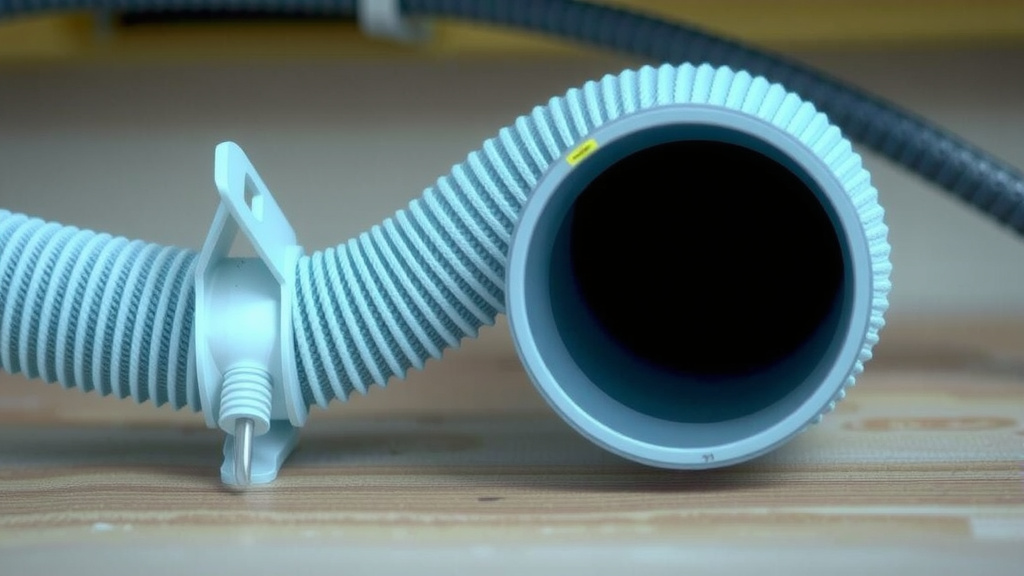
The first step is finding the drain line. It’s usually a PVC pipe. You’ll find it near your indoor air handler or furnace. The line runs from the unit to the outside of your house. Sometimes, it might drain into a floor drain or a condensate pump.
Where to Look for the Drain Outlet
Check the exterior wall near your AC unit. The drain line typically terminates there. You might see a small pipe sticking out. It could also have a cap or a filter on the end. If you can’t find it, consult your AC unit’s manual or search online for your specific model.
Inside the Home Access
Sometimes, the easiest access point is inside. Look for a T-fitting on the drain line near the air handler. This fitting often has a removable cap. This is a common spot for clogs to start. Many manufacturers include this access point for maintenance. We found that most units have one of these.
Step-by-Step Cleaning Process
Now, let’s get down to cleaning. We’ll walk through the most common and effective methods. Remember to turn off your air conditioner at the thermostat before you begin. Safety first!
Method 1: Using a Wet/Dry Vacuum
This is often the easiest and cleanest method. The vacuum will suck out the blockage. You’ll want to create a seal around the drain line’s end.
At the Outdoor Outlet:
- Locate the end of the drain line outside.
- Remove any cap or screen.
- Place the hose of your wet/dry vacuum over the end of the pipe.
- Use a towel or duct tape to create a good seal.
- Turn on the vacuum. Let it run for a few minutes.
- This should pull out any loose debris.
At the Indoor Access Point:
- Find the T-fitting with the removable cap.
- Remove the cap.
- Place the vacuum hose over the opening.
- Seal it as best as you can.
- Turn on the vacuum. This can pull debris from both directions.
- Check the vacuum bag for what you removed.
Method 2: Using a Stiff Wire or Coat Hanger
If the vacuum doesn’t get everything, or if the clog is more stubborn, try a wire. This method requires a bit more manual effort.
Accessing the Clog:
- You can try this from either the inside access point or the outdoor outlet.
- Carefully insert the straightened wire or coat hanger into the drain line.
- Gently push and twist it. You’re trying to break up the clog.
- Be careful not to force it too hard. You don’t want to damage the pipe.
- When you feel resistance, try to push through or dislodge it.
- Once you think it’s clear, try running water through the line to test it.
Method 3: Using a Bleach or Vinegar Solution (Optional)
This is a great way to prevent future clogs and kill existing mold or algae. Many HVAC professionals recommend this as part of regular maintenance. Guidelines from organizations like the Cleveland Clinic suggest that regular cleaning can improve indoor air quality.
The Process:
- You can pour this solution down the indoor access point.
- Use about 1/4 cup of bleach or undiluted white vinegar.
- Let it sit for about 30 minutes to an hour.
- Then, flush the line with plenty of clean water.
- Important Note: Never mix bleach and vinegar. This can create toxic fumes. Always use one or the other.
Testing the Drain Line
After you’ve cleared the clog, it’s time to test. You want to make sure water flows freely. This is your final check.
How to Test:
- Locate the indoor access point, usually the T-fitting.
- Pour about a gallon of water into the opening.
- Watch the outdoor drain line. You should see water flowing out freely.
- If the water backs up, the clog isn’t fully cleared. Repeat the cleaning steps.
- If it flows well, you’ve successfully cleared the drain!
Preventing Future Clogs
Regular maintenance is the best defense against clogs. Making this a habit will save you time and money in the long run.
Tips for Long-Term Drain Line Health
Consider these easy steps:
- Monthly Flush: Pour a cup of water down the drain line each month. This helps keep it clear.
- Vinegar Flush: Once every few months, use a diluted vinegar solution. Follow the steps above.
- Check Filters: Make sure your air filters are clean. Dirty filters can force your AC to work harder and contribute to issues.
- Inspect Regularly: Keep an eye on the drain line outlet outside. If you see standing water, it might be starting to clog.
A clean drain line means a happy air conditioner. And a happy air conditioner means a comfortable home for you. You’ve got this!
Quick Checklist for a Clear Drain Hose:
- Turn off the AC at the thermostat.
- Locate the drain line’s access point (inside or outside).
- Use a wet/dry vacuum to suck out debris.
- Gently probe with a stiff wire if needed.
- Pour water into the line to test for flow.
- Perform regular preventative flushes.
Conclusion
You’ve now learned how essential a clear air conditioner drain line is for your home’s comfort and your AC unit’s health. We’ve covered why clogs happen, how to gather your supplies, and the step-by-step methods using a wet/dry vacuum or a wire. Remember, regular maintenance like monthly water flushes or occasional vinegar treatments can prevent future headaches. Don’t wait for a water leak or a system failure; take action this week to inspect and clean your AC’s drain hose. You’ve got the knowledge to keep your system running smoothly!
Frequently Asked Questions
How often should I clean my AC’s drain line?
We recommend checking and cleaning your AC’s drain line at least once a year, ideally before the cooling season begins. If you live in a humid climate or notice slow draining, you might need to clean it more frequently, perhaps every 3-6 months.
Can I just pour hot water down the drain line?
While hot water can help dislodge some minor debris, it’s generally not strong enough for algae or sludge. Using a wet/dry vacuum or a wire is more effective for physical blockages. A diluted bleach or vinegar solution can help kill organic buildup, but always flush with plain water afterward.
What if water is backing up into my air handler?
If you see water pooling inside your air handler unit, it’s a clear sign of a clogged drain line. Turn off your AC immediately to prevent further water damage. Follow the steps in this guide to clear the clog, focusing on the indoor access point if possible.
Is it safe to use bleach in my AC drain line?
Yes, a diluted bleach solution (about 1/4 cup bleach to a gallon of water) can be safe and effective for killing algae and mold in your drain line. Just be sure to never mix bleach with vinegar, as this creates dangerous fumes. Always flush thoroughly with clean water after using bleach.
My AC drain line is outside. Can I just disconnect it and clean it?
While you can disconnect some outdoor drain line caps for cleaning, it’s often easier and less disruptive to clean it in place. Using a wet/dry vacuum with a good seal around the pipe or gently probing with a wire from the outside access point is usually sufficient. If you’re unsure about disconnecting parts, stick to the methods that don’t require disassembly.

![7 Best Portable Generator For Rv Air Conditioner [2026]](https://bathroomexplorer.com/wp-content/uploads/2026/06/7-best-portable-generator-for-rv-air-conditioner-2026-featured-768x432.jpg)
![7 Best Cheap Small Air Conditioner [2026]](https://bathroomexplorer.com/wp-content/uploads/2026/06/7-best-cheap-small-air-conditioner-2026-featured-768x432.jpg)