
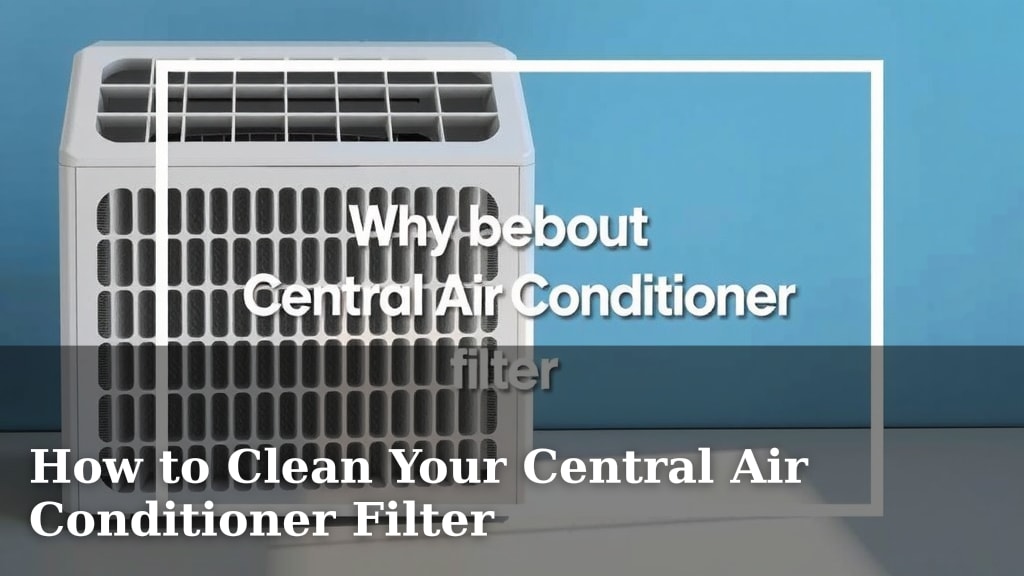
How to Clean Your Central Air Conditioner Filter
The easiest way to clean your central air conditioner filter is by rinsing it with water. For dirtier filters, use a mild soap and a soft brush. This simple maintenance helps your AC run more efficiently and improves your home’s air quality. Keeping your filter clean is a vital step for optimal home comfort and can prevent costly AC repairs down the line. You’ll be surprised how much difference a clean filter makes!
Regularly cleaning your AC filter is more than just a chore. It’s a key part of your home’s HVAC system maintenance. A clogged filter can restrict airflow, making your air conditioner work harder. This often leads to higher energy bills and can even cause your system to overheat. We found that a clean filter is essential for keeping your system running smoothly all year long.
- Locate your AC filter.
- Remove the filter carefully.
- Rinse it under cool water.
- Use mild soap for tougher grime.
- Allow it to dry completely.
Ready to get your AC filter sparkling clean? Let’s walk through exactly how to do it, step by step, so you can breathe easier and keep your cool this season.
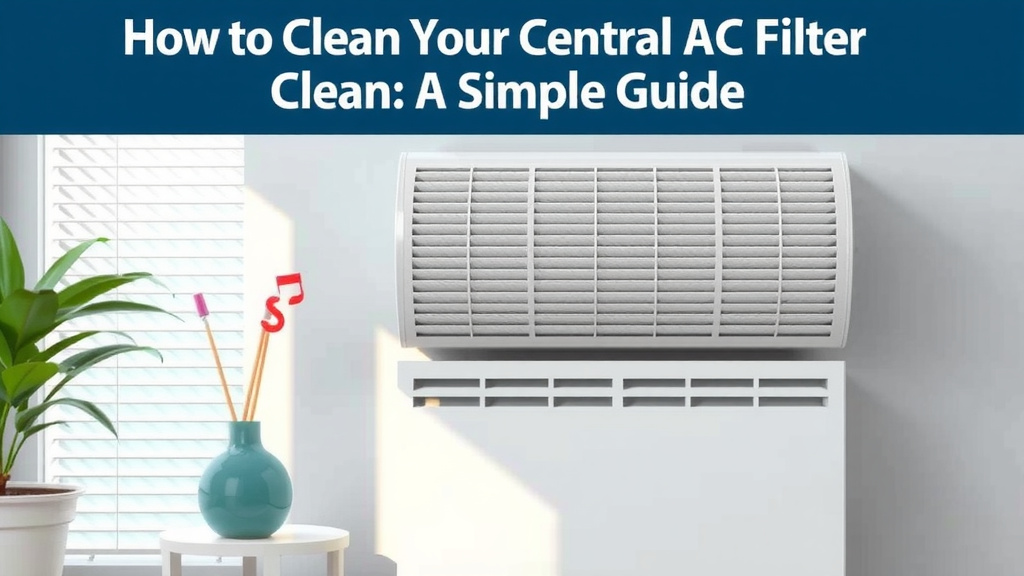
Keeping Your Central AC Filter Clean: A Simple Guide
Cleaning your central air conditioner filter is a straightforward process. You can do it yourself with basic tools and a little time. This maintenance is essential for your AC’s performance. Let’s break down how to tackle this task.
Locating and Removing Your AC Filter
The first step is finding your filter. Most central AC systems have a filter located in the return air duct. This is usually a large grille on a wall or ceiling. Some systems may have the filter directly in the air handler unit itself, often near the blower fan. You might need a screwdriver to open the access panel.
Where to Look for Your Filter
Think of your AC system like your lungs. The return air grille is where it breathes in air. This is where the filter usually lives. If you can’t find it easily, consult your AC unit’s manual. It’s often a simple slide-out mechanism. You’re looking for a slot where a rectangular panel fits.
Carefully Removing the Filter
Once you’ve located it, carefully slide or pull the filter out. Be gentle; you don’t want to damage the filter or the surrounding components. Many filters have an arrow indicating the direction of airflow. Note this direction for when you put the clean filter back in. If it’s stuck, don’t force it. Check for clips or latches that might be holding it in place.
Cleaning Methods for Different Filter Types
The way you clean your filter depends on what it’s made of. Most disposable filters are meant to be replaced, not cleaned. Reusable or washable filters, however, are designed for regular cleaning. These are often made of plastic or metal with a mesh material.
Rinsing Disposable Filters (If Applicable)
While most disposable filters aren’t designed for cleaning, some manufacturers might suggest a light rinse for minor dust. If your filter is very dirty and you’re in a pinch before getting a replacement, you can try a gentle rinse. Be aware that this might not be as effective as a new filter. You could damage the filter media if you scrub too hard.
Cleaning Washable/Reusable Filters
For washable filters, the process is more robust. Start with a simple rinse. Use a garden hose or a sink faucet to wash away loose dirt and debris. The key is to rinse in the opposite direction of the airflow arrow. This helps push the dirt out, not deeper into the filter.
Tackling Stubborn Grime
If water alone doesn’t do the trick, it’s time for a little soap. Many experts recommend a mild dish soap. Mix a small amount of soap with water in a bucket. Use a soft brush, like a paintbrush or a gentle scrub brush, to loosen any stuck-on dirt. Be sure to rinse thoroughly afterward. Residual soap can cause issues with your AC system.
Using Specialized Cleaning Solutions
Some reusable filters come with their own cleaning solutions. Always follow the manufacturer’s instructions precisely if you use these. These solutions are often formulated to break down specific types of grime without damaging the filter material. We found that sticking to the recommended cleaner is usually the safest bet.
Drying Your AC Filter Properly
This is a critical step, and it’s easy to get wrong. A damp filter can lead to mold and mildew growth within your AC system. That’s the last thing you want! You need to ensure the filter is completely dry before reinstalling it.
Air Drying Techniques
The best method is air drying. Place the filter in a well-ventilated area. You can lean it against a wall or place it on a drying rack. Avoid direct sunlight for extended periods, as it can degrade some filter materials. This process can take several hours, sometimes up to 24 hours. Patience is key here.
Speeding Up the Drying Process (Carefully)
If you’re in a hurry, you might be tempted to use a hairdryer or a fan. These can help, but use them on a cool setting. A hot setting can warp or damage the filter. Gently patting the filter with a clean, dry towel can remove excess water. Again, ensure it’s bone dry before putting it back.
Reinstalling the Clean Filter
Now that your filter is clean and dry, it’s time to put it back. Remember that arrow we talked about? Make sure it points in the correct direction of airflow. This is usually towards the furnace or air handler unit. Slide the filter back into its slot until it’s fully seated. Secure any latches or screws you removed earlier.
Ensuring a Secure Fit
A loose filter won’t work effectively. It can allow dust and debris to bypass it, entering your AC system. Double-check that it’s snug and doesn’t wiggle around. If it feels loose, there might be a size issue or a problem with the filter housing. Many homeowners find a secure fit is half the battle.
Quick Checklist for AC Filter Cleaning
- Find your AC filter location.
- Remove the filter carefully.
- Note the airflow direction arrow.
- Rinse with cool water, then soap if needed.
- Dry the filter completely.
- Reinstall, ensuring the arrow points correctly.
Why This Simple Task Matters So Much
A clean filter does more than just make your AC run better. It directly impacts your home’s indoor air quality. Dust, pollen, and other allergens get trapped in the filter. A clogged filter means those particles can recirculate throughout your home. This can be a problem for people with allergies or asthma. We found that regular cleaning leads to noticeably fresher air (CDC).
Energy Savings and Longevity
Did you know a dirty filter can increase your energy bills? When airflow is restricted, your AC unit has to work harder to cool your home. This increased workload consumes more electricity. Research suggests that a clean filter can improve AC efficiency by up to 15% (Energy.gov). Over time, this saves you money and extends the life of your HVAC system.
Conclusion
You’ve now seen how simple it is to keep your central AC filter clean. Remember, this small task makes a big difference for your home’s comfort and your wallet. A clean filter means your AC doesn’t have to work as hard, saving energy and preventing strain on the system. Plus, you’ll enjoy fresher, healthier air in your home. Don’t put it off; make cleaning your AC filter a regular part of your home maintenance routine starting today!
Frequently Asked Questions
How often should I clean my central air conditioner filter?
You should clean your central air conditioner filter at least once every 1 to 3 months. The exact frequency depends on your household. Consider cleaning it more often if you have pets, allergies, or live in a dusty area. Checking it monthly is a good habit.
Can I use a vacuum cleaner to clean my AC filter?
Yes, you can often use a vacuum cleaner with a brush attachment to remove loose dust from your filter. This is a good first step before rinsing, especially for washable filters. Just be gentle to avoid damaging the filter material.
What happens if I don’t clean my AC filter?
If you don’t clean your AC filter, it will become clogged with dust and debris. This restricts airflow, making your AC system work harder and consume more energy. It can also lead to poor indoor air quality and potentially shorten the lifespan of your unit.
My filter is disposable, can I still wash it?
Most disposable filters are not designed to be washed and can be damaged if you try. While a very light, gentle rinse might be possible in a pinch, it’s best to replace them as recommended by the manufacturer. Washing could compromise its ability to filter effectively.
Is it okay to put a slightly damp filter back in my AC?
No, it is never okay to put a damp filter back into your AC system. Any moisture left on the filter can promote mold and mildew growth within your HVAC unit. Always ensure the filter is completely dry before reinstalling it.
![7 Best Cheap Air Conditioner For Small Room [2026]](https://bathroomexplorer.com/wp-content/uploads/2026/06/7-best-cheap-air-conditioner-for-small-room-2026-featured-768x432.jpg)
![7 Best Mini Air Conditioner For Car [2026]](https://bathroomexplorer.com/wp-content/uploads/2026/06/7-best-mini-air-conditioner-for-car-2026-featured-768x432.jpg)

![7 Best Quality Split System Air Conditioner [2026]](https://bathroomexplorer.com/wp-content/uploads/2026/06/7-best-quality-split-system-air-conditioner-2026-featured-768x432.jpg)