
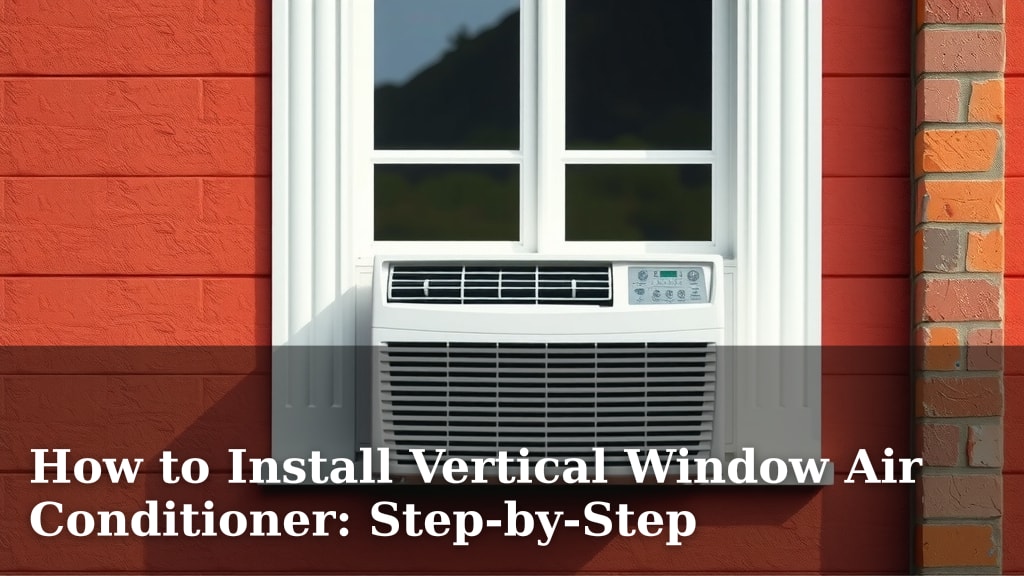
How to Install Vertical Window Air Conditioner: Step-by-Step
Yes, you can absolutely install an air conditioner in a vertical sliding window. It just takes a few extra steps and the right kit. Most vertical window AC units come with a vertical installation kit designed for this specific setup. You’ll need to ensure your window frame can support the weight and provide a secure fit to keep the cool air in and the weather out.
Many homes feature vertical sliding windows, which can make cooling them a bit tricky. But don’t worry, it’s a common scenario that manufacturers have addressed. We found that using a properly sized unit and the correct mounting hardware makes all the difference for a safe and effective installation. This method is a great way to add air conditioning without major modifications.
- Measure your window opening carefully.
- Choose an AC unit designed for vertical windows.
- Use the provided installation kit or a universal one.
- Ensure a snug, weather-tight seal.
- Secure the unit firmly to prevent movement.
Let’s walk through exactly how to get your vertical window AC installed, step by step, so you can start enjoying a cooler home.
Getting Your Vertical Window AC Installed
You’re probably wondering if it’s even possible to put an air conditioner in a vertical sliding window. The answer is a resounding yes! Many homes have these types of windows, and manufacturers have developed specific kits to make installation straightforward. We found that with the right approach, you can get that cool breeze flowing in no time.
Think of your vertical window as just another canvas for cool air. It might seem a little different than a standard horizontal window, but the principles are the same: a secure fit and a good seal. Let’s break down the process so you feel confident tackling this project yourself.
Preparing for Installation
Measure Twice, Install Once!
Before you even think about unboxing your air conditioner, you need to measure your window opening. This is perhaps the most critical step. You’ll need to measure the width and height of the space where the AC will sit. Make sure you’re measuring the inside of the window frame, where the AC unit will actually rest.
We found that using a metal tape measure provides the most accurate results. Note down the exact dimensions. It’s also a good idea to check the depth of the window sill. This ensures your AC unit won’t protrude too far or not enough to be stable.
Choosing the Right Vertical AC Unit
Not all air conditioners are created equal, especially when it comes to vertical windows. Look for units specifically designed for vertical installation. These often come with a specialized installation kit that accommodates the sash movement of a vertical window. Some ACs are labeled as “vertical window air conditioners” or “sash kits available.”
The BTU (British Thermal Unit) rating is also super important. It determines how much cooling power the unit has. We’ve seen many instances where an underpowered unit struggles to cool a room, while an overpowered one can cycle too quickly, leading to poor dehumidification and uneven cooling (Energy Star). Make sure the BTU matches your room size.
Gathering Your Tools and Materials
Having everything ready before you start will save you a lot of headaches. You’ll typically need:
- Your vertical window AC unit and its specific installation kit.
- A drill with appropriate drill bits.
- Screwdriver set (Phillips and flathead).
- Measuring tape.
- Level.
- Pencil or marker.
- Weather-stripping or foam insulation tape.
- Possibly some scrap wood or support brackets (depending on your window and kit).
- A helper! AC units can be heavy and awkward.
The Installation Process
Preparing the Window Opening
First, ensure the window is clean. Remove any old seals or debris that might interfere with a snug fit. If your window has removable screens, take those out. You might also need to adjust the window itself. For vertical sliders, you’ll likely need to open the window partway to slide the unit into place.
We found that some vertical windows have sashes that slide up and down. You’ll want to open the window just enough to accommodate the width of your AC unit. Make sure the bottom track of the window is clear and provides a stable resting surface.
Installing the AC Unit
Mounting the Bracket and Accordion Panels
Most vertical window AC kits come with a bracket that attaches to the window sill or frame for support. Follow the manufacturer’s instructions carefully for this part. Then, you’ll usually attach accordion-style panels to the sides of the AC unit. These panels extend to fill the gaps between the AC and the window frame.
These panels are crucial for preventing air leakage. They act like a flexible wall, sealing off the sides. Make sure they are extended fully but not overstretched. We’ve seen installations where these panels weren’t properly secured, leading to drafts.
Placing the Air Conditioner
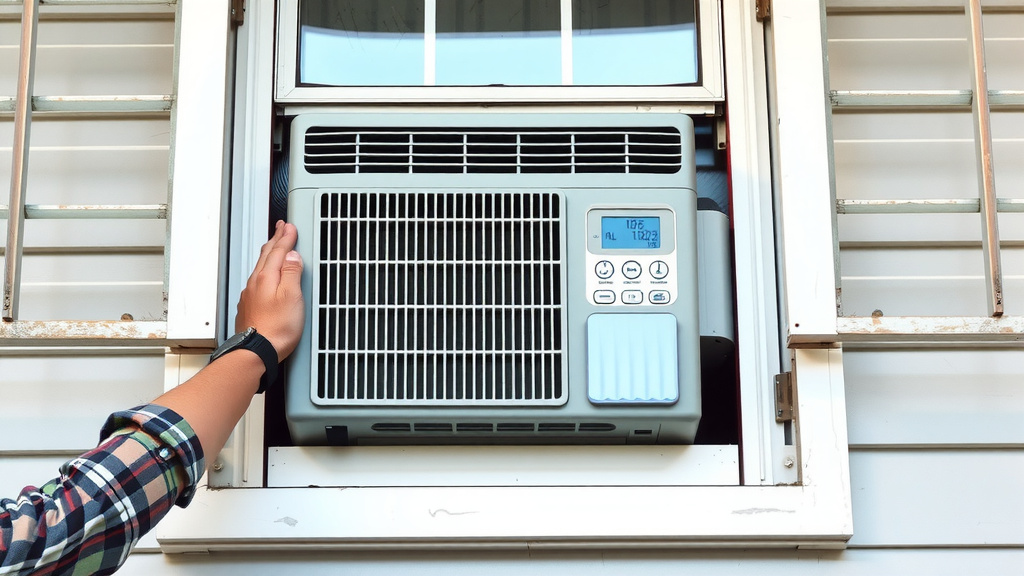
With your helper, carefully lift the air conditioner. Slide it into the prepared window opening, resting it on the sill and against the accordion panels. The unit should fit snugly. You might need to gently nudge it into place.
Once it’s positioned, you’ll typically secure it from the inside. This often involves screwing the unit or the side panels into the window frame. This step is vital for stability and security. You don’t want your AC unit shifting or falling out!
Sealing and Securing
Ensuring a Tight Seal
This is where you make sure that cool air stays in and the hot air stays out. Use the provided weather-stripping or foam insulation tape around the edges where the AC unit meets the window frame and sash. Pay close attention to any gaps.
We found that a good seal prevents drafts and stops insects or rain from getting in. Think of it like sealing an envelope – you want it to be completely closed. A properly sealed unit also helps the AC work more efficiently, saving you money on energy bills (U.S. Department of Energy).
Final Securing Steps
Many vertical installation kits include support brackets that attach to the outside of the window. These add an extra layer of security, especially for heavier units or in areas prone to strong winds. Consult your manual to see if these are part of your kit and how to install them.
Double-check all screws and connections. Make sure the unit feels solid and stable in the window. Test the window sash to ensure it can still move up and down slightly without hitting the AC unit or the panels.
Testing Your Installation
Plug in your air conditioner and turn it on. Listen for any unusual noises. Check for drafts around the unit. Your goal is a quiet, efficient operation. You should immediately feel cool air coming from the unit.
It’s a good idea to run it for a bit and then re-check the seals. Sometimes, the vibration from the running unit can reveal small gaps you missed. If everything sounds and feels good, you’ve successfully installed your vertical window air conditioner!
Conclusion
You’ve learned that installing an air conditioner in a vertical sliding window is entirely achievable with the right approach and kit. We’ve covered the essential steps, from accurate measuring and choosing the correct unit to the physical installation and ensuring a secure, weather-tight seal. By following these guidelines, you can confidently enhance your home’s comfort without needing major structural changes. Take the next step by gathering your tools and preparing your window for a cool, refreshing summer!
Frequently Asked Questions
Can I use a standard horizontal window AC unit in a vertical window?
Generally, no. Standard horizontal units are designed to fit in windows that slide side-to-side or are casement-style. Vertical window units and their specific kits are engineered to accommodate the up-and-down movement of a sash window, creating a proper seal.
How do I measure my vertical window for an AC unit?
You’ll need to measure the inside width of the window frame where the AC will sit. Also, measure the height from the windowsill to the top of the lower sash when it’s raised enough to fit the unit. Ensure you’re using a reliable metal tape measure for accuracy.
What is a vertical installation kit for AC units?
This kit typically includes expandable accordion panels to fill the gaps on the sides of the unit, a mounting bracket for support, and sometimes external security brackets. It’s designed to adapt the AC for the unique dimensions and sliding motion of a vertical window.
Do I need a helper to install a vertical window AC?
Yes, it’s highly recommended. Air conditioners, even smaller ones, can be heavy and awkward to maneuver. Having a second person makes the process much safer and easier, especially when lifting and positioning the unit into the window opening.
How can I ensure my vertical window AC is properly sealed?
Use the included weather-stripping or foam insulation tape around all edges where the AC unit meets the window frame and sash. Pay close attention to any gaps or potential air leaks. A good seal is vital for efficiency and preventing drafts.


![7 Best Small Ventless Air Conditioner [2026]](https://bathroomexplorer.com/wp-content/uploads/2026/06/7-best-small-ventless-air-conditioner-2026-featured-768x432.jpg)
![7 Best Settings For Lg Air Conditioner [2026]](https://bathroomexplorer.com/wp-content/uploads/2026/06/7-best-settings-for-lg-air-conditioner-2026-featured-768x432.jpg)
![7 Best Heat Cool Window Air Conditioner [2026]](https://bathroomexplorer.com/wp-content/uploads/2026/06/7-best-heat-cool-window-air-conditioner-2026-featured-768x432.jpg)
![7 Best Split Unit Air Conditioner Brand [2026]](https://bathroomexplorer.com/wp-content/uploads/2026/06/7-best-split-unit-air-conditioner-brand-2026-featured-768x432.jpg)