
Boost AC Efficiency: Simple Tips for Lower Energy Bills
Making your air conditioner more efficient is easier than you think, and it starts with a few simple steps. You can significantly improve your AC’s performance by regularly changing your air filter and ensuring your home has adequate insulation. These actions help your unit work less to cool your space, saving you money and preventing unnecessary wear and tear.
We found that even small adjustments can make a big difference in your AC’s energy consumption. Think of it like giving your AC a spa day. Simple maintenance tasks, like keeping the outdoor unit clear of debris, allow it to breathe better. Addressing drafts around windows and doors also stops cool air from escaping, making your AC’s job much easier.
- Change your air filter regularly.
- Keep your outdoor unit clean.
- Seal drafts around windows and doors.
- Ensure proper home insulation.
- Consider smart thermostat settings.
Ready to get your AC running at its best? Let’s walk through exactly how to make your air conditioner more efficient, step by step.
Keeping Your Air Conditioner Running Smoothly
Want to make sure your air conditioner is working as hard as possible without making you pay extra? We’ve got you covered. Simple, regular maintenance can keep your AC unit in top shape. This means less money spent on energy bills and fewer surprise repair calls. Let’s look at how to get your AC running efficiently.
The Power of a Clean Air Filter
Your air filter is like the lungs of your AC system. It traps dust, pollen, and other tiny particles. When this filter gets clogged, your system has to work much harder to pull air through it. This wastes energy and can even damage your AC. So, how often should you change it?
Filter Changing Frequency
For most homes, changing your air filter every one to three months is a good rule of thumb. If you have pets, allergies, or live in a dusty area, you might need to change it more often. Check it monthly to see if it looks dirty.
Choosing the Right Filter
Not all filters are created equal. Look for the MERV rating. A higher MERV rating means it traps smaller particles. However, don’t just go for the highest rating. A filter that’s too restrictive can strain your AC. Many HVAC experts recommend a MERV rating between 8 and 13 for residential use (Energy Star).
Give Your Outdoor Unit Some Love
Your AC has an outdoor unit, often called a condenser. This part needs space to “breathe.” If it’s blocked, your AC can’t release heat effectively. This forces it to work harder, using more electricity.
Clear the Debris
Keep the area around your outdoor unit clear. We’re talking about plants, leaves, grass clippings, and any other clutter. Aim for at least two feet of clear space all around it. This allows for proper airflow. Many homeowners find that doing this simple task in the spring and fall makes a noticeable difference.
Gentle Cleaning Tips
You can also clean the fins on the condenser unit. Turn off the power to your AC unit first. Then, use a soft brush or a garden hose with a gentle spray to wash away dirt. Never use a high-pressure washer, as it can bend the delicate fins. Always consult your owner’s manual for specific cleaning instructions.
Stop Cool Air From Escaping
Even the best AC can’t keep up if your cool air is escaping your home. Think of your home like a balloon. If there are leaks, the air inside will escape, and the balloon won’t stay inflated.
Seal Those Drafts
Check around your windows and doors for drafts. You can feel for them or use an incense stick to see where the smoke moves. Use weatherstripping or caulk to seal any gaps you find. This is a cost-effective way to keep cool air in and hot air out.
Insulation Matters
Proper insulation in your attic and walls is key. It acts like a blanket for your home, keeping the cool air inside during the summer and the warm air inside during the winter. If your insulation is old or inadequate, it might be time to look into an upgrade. This can be a larger project, but the energy savings are substantial over time.
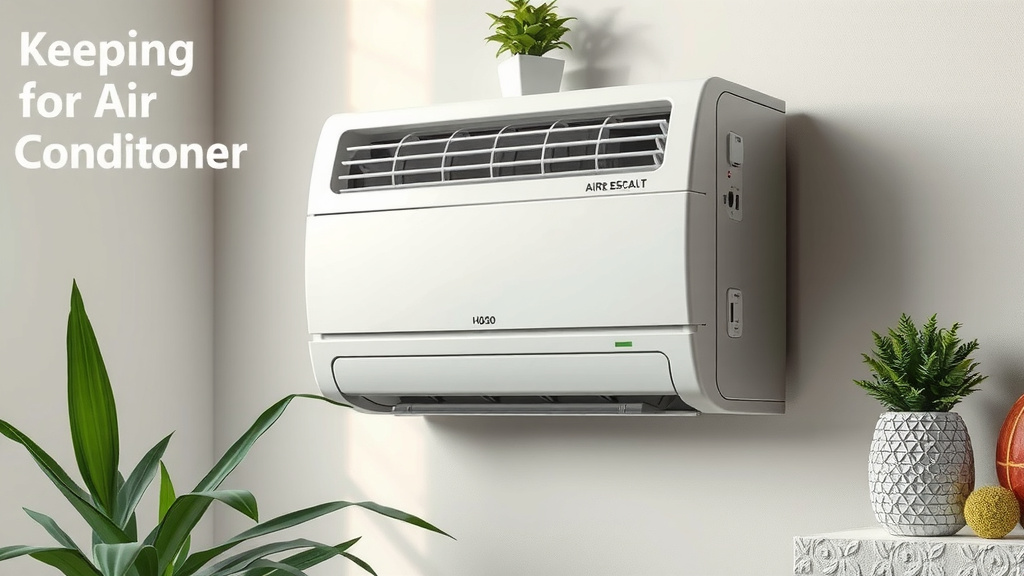
Smart Thermostat Strategies
A smart thermostat can be a game-changer for AC efficiency. These devices learn your habits and adjust the temperature automatically.
Setting It Smartly
Program your thermostat to a higher temperature when you’re away from home or asleep. For every degree you raise the thermostat in the summer, you can save about 1-3% on your cooling costs (Energy.gov). Many smart thermostats can do this automatically.
Learning Your Routine
Most smart thermostats have a learning feature. They observe when you adjust the temperature and start to anticipate your needs. This means you don’t have to constantly fiddle with settings. You get comfort when you need it and savings when you don’t.
Regular Professional Check-ups
While DIY maintenance is great, professional tune-ups are also important. An HVAC technician can spot problems you might miss.
What Professionals Check
During a tune-up, a technician will clean your unit, check refrigerant levels, inspect electrical connections, and lubricate moving parts. They can also identify potential issues before they become major problems. Many experts recommend having your AC serviced once a year, usually in the spring before the cooling season begins.
Cooling Your Home Efficiently Checklist
- Check and replace your air filter every 1-3 months.
- Keep at least 2 feet of clear space around your outdoor AC unit.
- Seal air leaks around windows and doors with caulk or weatherstripping.
- Ensure your home has adequate attic and wall insulation.
- Program your thermostat to save energy when you’re not home.
- Schedule an annual professional AC tune-up.
Conclusion
You’ve learned that making your air conditioner more efficient is well within your reach. Simple, consistent actions like regular filter changes and clearing debris around your outdoor unit are key. Sealing drafts and ensuring good insulation also play a big role in keeping your cool air inside. By implementing these maintenance tips and considering smart thermostat settings, you’re set to enjoy a cooler home and lower energy bills. Take the first step today by checking your air filter – it’s a small task with big rewards for your AC’s performance and your wallet.
Frequently Asked Questions
How often should I really check my AC’s air filter?
You should visually inspect your air filter monthly. For most homes, this means replacing it every one to three months. Homes with pets or allergy sufferers may need more frequent changes to keep your system running smoothly.
Can cleaning the outdoor AC unit actually make a difference?
Absolutely. Your outdoor unit, the condenser, needs good airflow to release heat effectively. Keeping it clear of leaves, plants, and debris ensures it can do its job without working overtime, which saves energy.
What’s the best MERV rating for my home’s air filter?
For most residential systems, a MERV rating between 8 and 13 is recommended. This range offers good filtration without being too restrictive for your AC to pull air through.
Are smart thermostats worth the investment for AC efficiency?
Yes, they can be. Smart thermostats learn your schedule and can automatically adjust the temperature when you’re away or asleep, leading to energy savings without sacrificing comfort.
Besides filters, what DIY maintenance is most effective?
Sealing drafts around windows and doors is highly effective and very affordable. By preventing cool air from escaping, you reduce the workload on your AC and keep your home comfortable.
![7 Best Quality Window Air Conditioners [2026]](https://bathroomexplorer.com/wp-content/uploads/2026/06/7-best-quality-window-air-conditioners-2026-featured-768x432.jpg)
![7 Best Window Seal For Portable Air Conditioner [2026]](https://bathroomexplorer.com/wp-content/uploads/2026/07/7-best-window-seal-for-portable-air-conditioner-2026-featured-768x432.jpg)
