
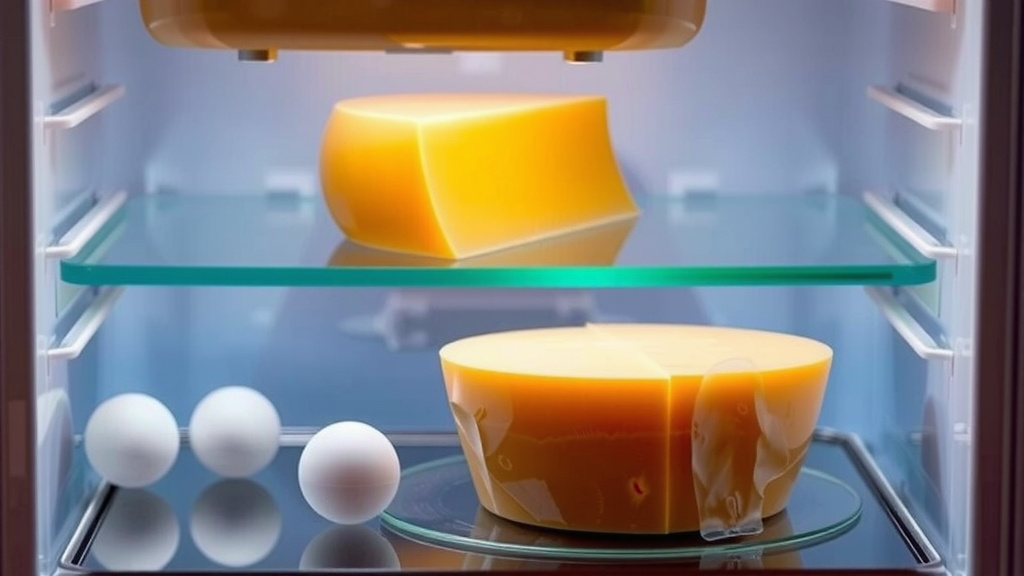
How Long Vacuum Sealed Cheese Lasts in Fridge
Vacuum-sealed cheese can last a remarkably long time in your refrigerator, often extending its freshness by several weeks to even months. This extended shelf life is largely due to the removal of oxygen, which dramatically slows down spoilage and preserves the cheese’s flavor and texture. So, yes, your vacuum-sealed cheese is likely good for much longer than you might think if stored properly.
When cheese is vacuum-sealed, it’s protected from air exposure, moisture loss, and contamination by mold or bacteria. This makes it a fantastic method for keeping hard cheeses, semi-hard cheeses, and even some softer varieties fresh. We found that the type of cheese plays a role, but the sealing itself is the biggest factor in preservation.
- Vacuum sealing significantly extends cheese life.
- Expect weeks to months of freshness.
- Proper storage is key.
- Harder cheeses generally last longer.
Ready to dive into the details and learn how long your specific cheese might last? Below, we’ll break down what research says about vacuum-sealed cheese in the fridge and how to maximize its lifespan.
You’ve got cheese, and you’ve got that shiny vacuum-sealed bag. But how long can it happily chill in your fridge before it’s time to say goodbye? Let’s get right to it.
How Long Can Vacuum-Sealed Cheese Stay Fresh in the Fridge?
Vacuum-sealed cheese can last a remarkably long time in your refrigerator. Many experts found it can extend freshness by several weeks to even a few months. This is primarily because the vacuum sealing removes oxygen. Oxygen is a major player in spoilage. By taking it out, you dramatically slow down the processes that make cheese go bad. So, your cheese can stay delicious for much longer than you might expect.
The Science Behind Vacuum Sealing and Cheese Preservation
Think of oxygen as an unwanted guest at your cheese party. It loves to hang out with cheese, encouraging mold growth and changes in flavor and texture. Vacuum sealing kicks this guest right out of the bag. By creating an airtight seal, you create a barrier. This barrier stops oxygen, moisture loss, and contamination from other airborne microbes.
Oxygen’s Role in Cheese Spoilage
Oxygen is essential for many living things, but not for keeping cheese fresh. It fuels the growth of unwanted bacteria and mold. These tiny organisms can break down the fats and proteins in cheese. This leads to off-flavors, strange smells, and a less-than-appetizing appearance. When you remove oxygen, you effectively put these spoilage agents on pause.
Moisture Control and Protection
Cheese needs a certain amount of moisture to maintain its best texture. Too much moisture can encourage mold. Too little can make it dry and crumbly. Vacuum sealing helps maintain the ideal moisture balance. It prevents the cheese from drying out in the cold, dry air of your refrigerator. It also protects it from picking up other odors from your fridge.
Factors Affecting Vacuum-Sealed Cheese Shelf Life
While vacuum sealing is a superhero for cheese preservation, it’s not a magic wand. Several factors influence just how long your cheese will remain at its peak.
Type of Cheese Matters
Harder cheeses are naturally more robust. They have less moisture content to begin with. This makes them less susceptible to spoilage. Softer cheeses, with their higher moisture levels, might not last quite as long, even when vacuum-sealed. We found that firmer cheeses often have a longer runway.
Hard Cheeses (e.g., Cheddar, Parmesan, Gruyère)
These cheeses are built to last. When vacuum-sealed, expect them to stay good for several months. Their low moisture content makes them resistant to bacterial growth. You might even find they improve in flavor over time when aged properly in a vacuum seal.
Semi-Hard Cheeses (e.g., Gouda, Provolone, Swiss)
These offer a good balance. Vacuum-sealed, they can typically last for one to three months. They have a bit more moisture than hard cheeses but are still quite stable. The seal is crucial for keeping them from drying out or developing mold.
Soft Cheeses (e.g., Brie, Mozzarella, Feta)
Soft cheeses are a bit more delicate. While vacuum sealing helps immensely, their shelf life is generally shorter. Expect to enjoy them for about two to six weeks after sealing. Some very fresh soft cheeses might have an even shorter window, so always check carefully.
Quality of the Seal
A good seal is everything. If the vacuum bag isn’t properly sealed, air can still get in. This compromises the entire preservation process. Look for a bag that is completely deflated and tightly wrapped around the cheese. Any puffiness or loose edges mean the seal might be broken.
Initial Quality of the Cheese
You can’t un-spoil cheese. If the cheese wasn’t in great condition before it was vacuum-sealed, the sealing process won’t magically fix it. Always start with high-quality, fresh cheese for the best results. Think of it like starting with good ingredients for any recipe.
Checking Your Vacuum-Sealed Cheese for Spoilage
Even with vacuum sealing, it’s wise to do a quick check before enjoying your cheese. Your senses are your best tools here. A quick sniff and a look can tell you a lot.
Visual Cues
Look for any signs of mold growth, especially any fuzzy or discolored patches (other than those natural to the cheese, like blue cheese). Also, check for any sliminess or unusual changes in texture. A perfectly preserved cheese should look much like it did when it was sealed.
Smell Test
Cheese has a distinct smell, but spoilage often brings a sour, ammonia-like, or otherwise unpleasant odor. If it smells “off” or significantly different from its normal aroma, it’s probably best to discard it. Trust your nose – it’s a great indicator.
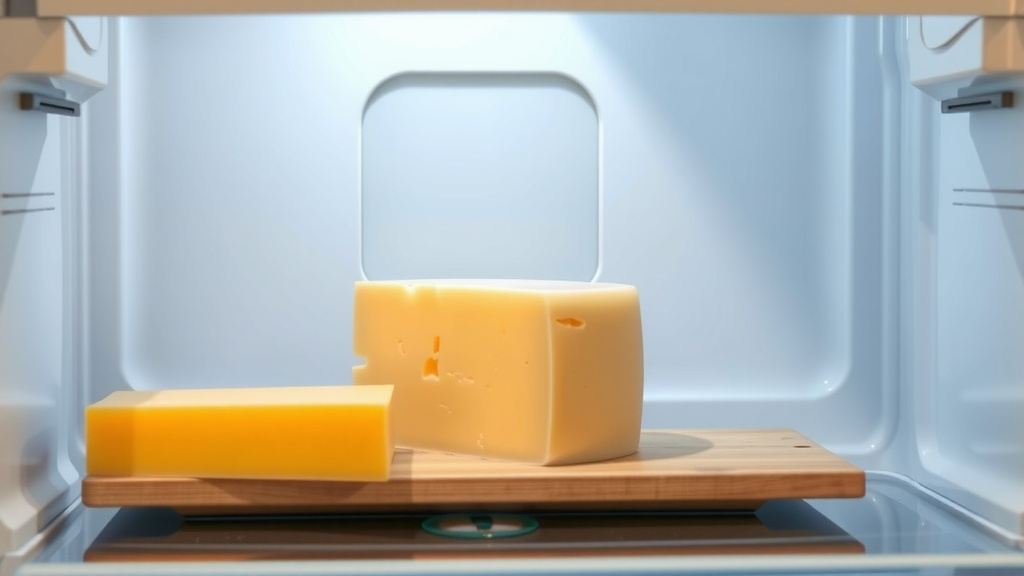
Tips for Maximizing Your Vacuum-Sealed Cheese’s Lifespan
Want to get the absolute most out of your vacuum-sealed cheese? Follow these simple tips:
- Always use quality cheese to start.
- Ensure your vacuum sealer creates a tight, complete seal.
- Store the cheese in the coldest part of your refrigerator.
- Keep it away from strong-smelling foods to prevent odor transfer.
- Check it periodically for any signs of spoilage.
When to Toss Vacuum-Sealed Cheese
When in doubt, throw it out. This is especially true for dairy products. If you see mold (and it’s not a mold that belongs, like in blue cheese), or if it has a foul smell, it’s time for it to go. Your health is always the top priority. Many food safety guidelines recommend discarding cheese with visible mold, as it can penetrate deeper than you can see (CDC).
A Quick Guide to Vacuum-Sealed Cheese Longevity
Here’s a simplified look at what you can generally expect:
| Cheese Type | Vacuum-Sealed Fridge Life (Approx.) |
|---|---|
| Hard Cheeses | 3-6+ Months |
| Semi-Hard Cheeses | 1-3 Months |
| Soft Cheeses | 2-6 Weeks |
Remember, these are general guidelines. Your specific cheese and the quality of the seal can influence these times. It’s always best to check your cheese before you eat it.
Conclusion
You’ve learned how vacuum sealing can be your cheese’s best friend in the fridge, extending its life by weeks or even months. Remember, it’s not just about the seal itself, but also the type of cheese and its initial quality. By paying attention to visual and smell cues, you can confidently enjoy your vacuum-sealed cheeses for longer. Always trust your senses and when in doubt, it’s best to play it safe. Now you’re ready to store your cheese like a pro and reduce food waste!
Frequently Asked Questions
Can you freeze vacuum-sealed cheese?
Yes, you can freeze vacuum-sealed cheese to extend its shelf life even further. Freezing is best for hard and semi-hard cheeses, as softer cheeses can sometimes change texture after thawing. Ensure the seal is intact before freezing and thaw it slowly in the refrigerator for the best results.
What does a “bad” seal on vacuum-sealed cheese look like?
A bad seal often means the bag will feel puffy or loose, not tightly hugging the cheese. You might see a small gap or feel air inside the packaging. If the seal appears compromised, it’s a good idea to use the cheese sooner rather than later or re-seal it if possible.
Will vacuum-sealed cheese still develop mold?
While vacuum sealing dramatically reduces the risk of mold by removing oxygen, it’s not impossible. If the seal is broken or if mold spores were already present on the cheese when sealed, mold can still grow. Always inspect your cheese visually for any fuzzy or discolored spots.
Can I re-vacuum seal cheese if the original seal breaks?
Absolutely! If you’ve opened a vacuum-sealed block of cheese and want to preserve the rest, you can re-seal it. Just make sure to cut off the previously sealed edge cleanly and create a new, tight seal with your vacuum sealer.
Is vacuum-sealed cheese safe to eat past its “best by” date?
Vacuum sealing significantly extends the usable life of cheese beyond typical “best by” dates. As long as the cheese shows no signs of spoilage (mold, off-smells, or unpleasant texture) and the seal remains intact, it is generally safe to consume. However, always use your best judgment and the smell and sight tests.

![7 Best Miele Canister Vacuum For Pet Hair [2026]](https://bathroomexplorer.com/wp-content/uploads/2026/06/7-best-miele-canister-vacuum-for-pet-hair-2026-featured-768x432.jpg)
![7 Best Cordless Vacuum Cleaner For Dog Hair [2026]](https://bathroomexplorer.com/wp-content/uploads/2026/05/7-best-cordless-vacuum-cleaner-for-dog-hair-2026-featured-768x432.jpg)