How Many Years Should Your Vacuum Last
How many years should a vacuum last? Most vacuums should last between 8 to 15 years with proper care. Some high-end models might even see 20 years of use. This lifespan depends heavily on the vacuum type and how well you maintain it.
Your vacuum cleaner is a workhorse in your home. It battles dust bunnies and crumbs daily. Understanding its expected lifespan helps you know when to repair or replace it. We looked into what experts say about vacuum durability and common factors affecting it.
- Lifespan: Expect 8-15 years for most vacuums.
- Factors: Type, brand, and maintenance matter most.
- High-end: These often last longer, sometimes 20+ years.
- Maintenance: Regular cleaning and filter changes are key.
Let’s walk through what impacts your vacuum’s longevity and how to get the most out of it.
How Long Can You Expect Your Vacuum Cleaner to Last?
Most vacuums are designed to keep your floors clean for a good long while. We found that a typical vacuum cleaner can last anywhere from 8 to 15 years. This isn’t just a random guess; it’s based on average lifespans reported by manufacturers and consumer reviews. Of course, some models are built tougher than others, and we’ll get into that soon.
Factors Influencing Vacuum Lifespan
What makes one vacuum last longer than another? It’s not magic. Several key elements play a role in how many years your trusty cleaning companion will stick around.
Vacuum Type Matters a Lot
Different types of vacuums have different jobs and different designs. This impacts how long they generally last. Think of it like tools in a toolbox – a hammer isn’t designed for the same task as a screwdriver.
Upright Vacuums
Upright vacuums are workhorses. They’re great for large carpeted areas. Because they often have powerful motors and brush rolls, they tend to be quite durable. We found that many well-made uprights can easily reach the 10-15 year mark with proper care.
Canister Vacuums
Canister vacuums are known for their versatility. They often have separate units for the motor and the dustbin. This design can sometimes lead to longer life because the motor might be better protected. Many users report their canister vacuums serving them for 12 years or more.
Stick Vacuums and Cordless Models
These are popular for their convenience. However, their smaller size and battery dependence can sometimes mean a shorter lifespan. Battery wear is a common issue. We often see these models lasting between 5 to 10 years. The battery life is often the first component to degrade significantly.
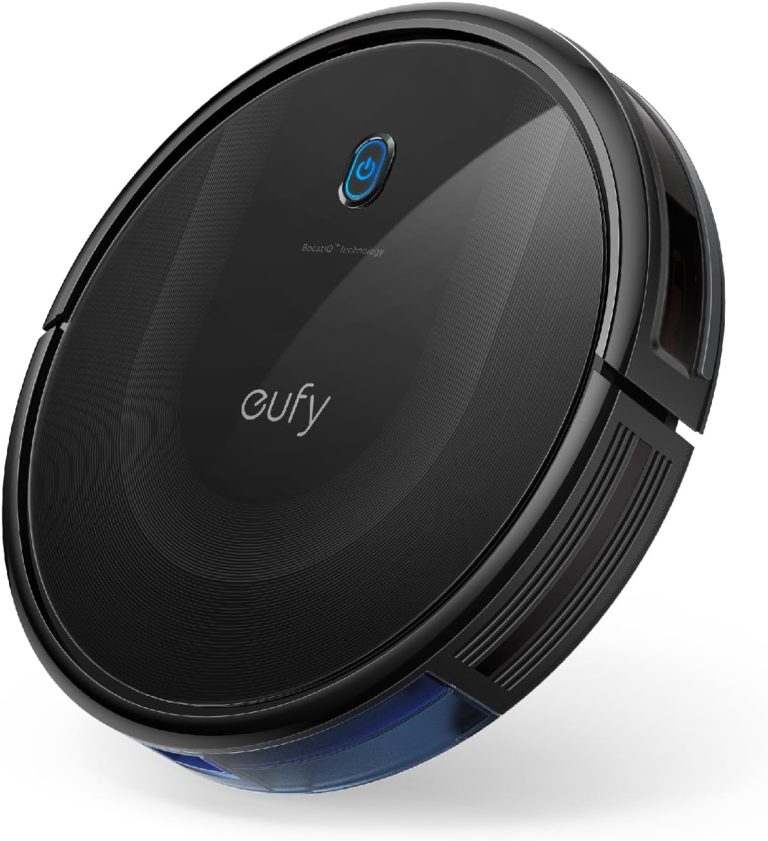
Robotic Vacuums
Robots are cool! They automate cleaning, but they also have lots of moving parts and electronics. Like stick vacuums, battery life is a key factor. Also, their continuous operation and exposure to dust can take a toll. Expect a lifespan of around 5 to 10 years for most robotic vacuums.
Brand and Build Quality
Just like with cars or appliances, some brands are known for making more robust products. Higher-end vacuums often use better materials and have more durable components. You might pay more upfront, but a quality build can extend the vacuum’s life significantly. We’ve seen reports of premium brands lasting 20 years or even longer.
How You Use It Every Day
Your vacuum’s daily life has a big impact. Is it used for quick touch-ups or deep cleaning an entire house? Heavy-duty use means more wear and tear. A vacuum used only once a week will likely outlast one used daily. Consider the intensity of your cleaning.
The Power of Regular Maintenance
This is arguably the most important factor you control. A little bit of care goes a long way in keeping your vacuum running smoothly. Think of it like changing the oil in your car; it prevents bigger problems down the line.
Cleaning Filters is Non-Negotiable
Clogged filters restrict airflow. This makes your vacuum’s motor work harder. An overworked motor can overheat and fail prematurely. Most manufacturers recommend cleaning or replacing filters every 3 to 6 months. Some newer models have washable filters, which is a great cost-saver.
Many guidelines point to filter maintenance as a key factor in longevity (Consumer Reports).
Emptying the Dustbin or Bag
Don’t let the dustbin or bag get too full. When it’s overfilled, the vacuum can’t suck up dirt effectively. This again puts extra strain on the motor. Aim to empty it when it’s about two-thirds full. It’s a simple habit that protects your machine.
Checking and Clearing Brush Rolls and Hoses
Hair, threads, and larger debris can get tangled in the brush roll. This can stop the brush from spinning properly and strain the motor. Periodically check the brush roll and cut away any tangles. Also, make sure the hose and any attachments are clear of obstructions. This ensures optimal suction and prevents strain.
Taking Care of the Cord and Plug
Avoid wrapping the cord too tightly around the vacuum. This can damage the internal wires. When unplugging, pull the plug itself, not the cord. Yanking the cord can damage the connection to the vacuum or the plug. A damaged cord is not only a safety hazard but can render your vacuum useless.
Signs Your Vacuum Might Need Repair or Replacement
Even with the best care, vacuums don’t last forever. You’ll eventually start noticing signs that your machine is getting old or might be on its last legs. Recognizing these can save you frustration and prevent further damage.
- Loss of Suction: This is the most common sign. If your vacuum is struggling to pick up even light debris, something is wrong.
- Strange Noises: Grinding, rattling, or whining sounds can indicate motor issues or internal blockages.
- Overheating: If your vacuum feels excessively hot to the touch or shuts off frequently due to overheating, its motor may be struggling.
- Burning Smell: This is a serious warning sign. It often indicates a motor problem or a severe clog.
- Physical Damage: Cracks in the casing, broken attachments, or a damaged cord are clear indicators that repair might be costly or impractical.
When is it Time to Say Goodbye?
If you’re facing multiple of the issues above, it might be time to consider a new vacuum. We found that if the cost of repairs starts approaching the price of a new, comparable model, replacement is often the more economical choice. Also, if the vacuum is more than 10 years old and experiencing major issues, newer models might offer better efficiency and features.
Extending Your Vacuum’s Life: A Simple Checklist
Want to get the most out of your vacuum? Follow these simple steps:
- Keep filters clean and replace them on schedule.
- Empty the dustbin or bag before it gets too full.
- Untangle the brush roll and check hoses for blockages regularly.
- Handle the power cord and plug with care.
- Store your vacuum in a dry, protected place when not in use.
- Don’t force your vacuum to pick up extremely large or wet debris.
By understanding what impacts your vacuum’s lifespan and giving it the care it deserves, you can enjoy cleaner floors for many years to come. It’s an investment in your home’s comfort and cleanliness!
Conclusion
You’ve learned that most vacuums can serve your home for 8 to 15 years with attentive care. Understanding the factors like vacuum type, build quality, and your own usage habits is key. More importantly, consistent maintenance, like cleaning filters and clearing brush rolls, dramatically extends your vacuum’s life. Don’t wait for major issues to arise; use the simple checklist provided to keep your machine in top shape. Ready to give your vacuum the best chance at a long life? Start with that filter cleaning today!
Frequently Asked Questions
Do more expensive vacuums really last longer?
Often, yes. Higher-end vacuums typically use better quality materials and more durable components. This superior build can mean they last longer than budget models, sometimes reaching 20 years or more with proper care. While the initial cost is higher, the extended lifespan can make it a more economical choice over time.
Can I improve the lifespan of my stick or robot vacuum?
Yes, you can! For stick vacuums, keeping the battery charged correctly and avoiding frequent deep discharges can help. For robot vacuums, regularly cleaning sensors and brushes, and ensuring the unit is free from excessive dust buildup, is vital. Both types benefit from emptying their bins frequently.
Is it worth repairing an old vacuum cleaner?
It depends on the repair cost and the age of your vacuum. If the repair cost is a significant portion of a new, comparable vacuum’s price, replacement might be better. For vacuums over 10 years old, consider if newer models offer better energy efficiency or features that justify an upgrade.
How often should I really be cleaning my vacuum filters?
Most manufacturers recommend cleaning or replacing filters every 3 to 6 months. If you have pets or allergies, or if you notice a significant drop in suction, you may need to do this more frequently. Clogged filters are a leading cause of motor strain and reduced vacuum lifespan.
What’s the biggest mistake people make that shortens a vacuum’s life?
One of the most common mistakes is neglecting regular filter maintenance. When filters are clogged, the motor has to work much harder, leading to overheating and premature failure. Another big mistake is not emptying the dustbin or bag regularly, which also strains the motor.