Vacuum Sealed Nuts Shelf Life: How Long Do They Last
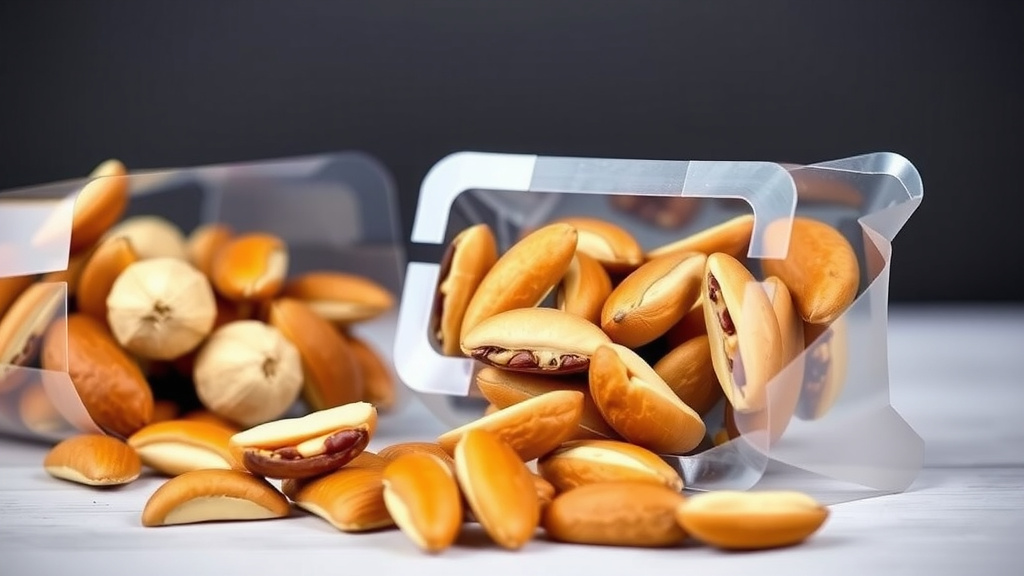
Vacuum sealed nuts can last a surprisingly long time, often for years when stored properly. Proper vacuum sealing removes most of the oxygen, which is the primary culprit behind nuts going rancid. This means you can enjoy your favorite nuts, like almonds or walnuts, for much longer than you might expect, keeping them fresh and flavorful.
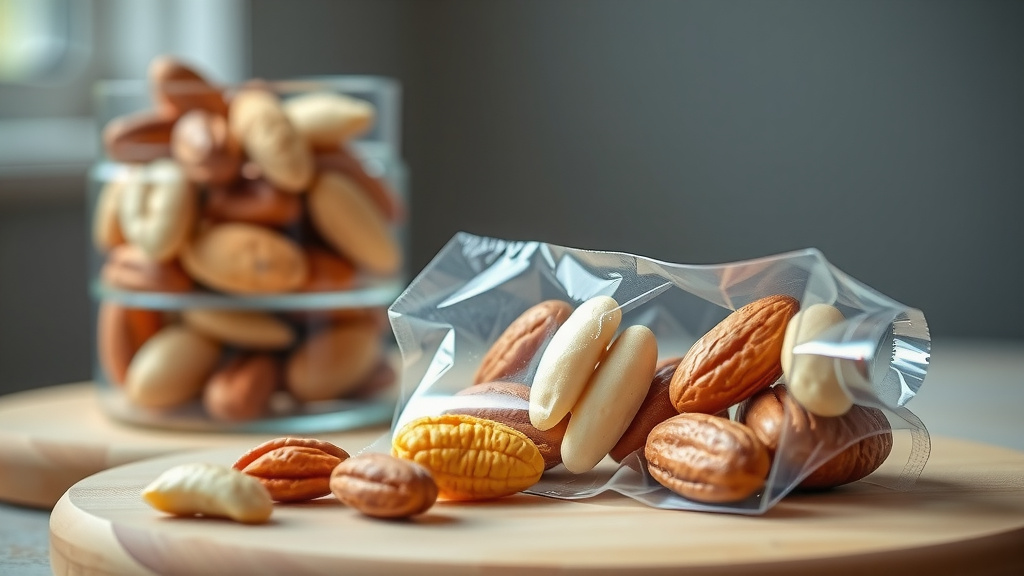
When you vacuum seal nuts, you create an environment that significantly slows down oxidation and prevents moisture absorption. This is key to maintaining their quality and preventing that stale, off-taste. Think of it as giving your nuts a little oxygen-free spa treatment that keeps them tasting great, preserving their natural oils and crunch.
- Vacuum sealed nuts can last for years.
- Oxygen removal is key to their longevity.
- This method prevents them from going rancid.
- Enjoy fresh-tasting nuts for a longer period.
Ready to discover just how long your vacuum sealed nuts can stay delicious? We’ll break down the science and offer some tips to maximize their shelf life.
Understanding Vacuum Sealed Nut Shelf Life
So, you’ve invested in a vacuum sealer to keep your nuts fresh. That’s a smart move! But the big question on your mind is likely: how long can these vacuum sealed nuts really last?
Generally, vacuum sealed nuts can last for one to three years. This is a massive leap compared to nuts stored in their original packaging. The exact duration depends on several factors. We’ll break down what influences this extended shelf life. It’s all about protecting those precious oils inside the nuts.
The Science Behind Longer Lasting Nuts
Vacuum sealing works wonders by removing oxygen. Oxygen is the main enemy of freshness for nuts. It causes oxidation, which leads to that unpleasant, stale, or even bitter taste we call rancidity. Your vacuum sealer sucks out nearly all the air. This drastically slows down the oxidation process. It also prevents the growth of aerobic bacteria and mold. These tiny organisms also thrive in the presence of oxygen and moisture.
Why Oxygen is the Arch-Nemesis
Think of nuts like tiny packets of oil. When oxygen gets in, it starts to break down these oils. This is similar to how an apple turns brown when exposed to air. The polyunsaturated fats in nuts are particularly vulnerable. They are the healthy fats, but they are also the ones that go bad fastest. Without oxygen, this breakdown process slows to a crawl. This keeps the nuts tasting nutty and delicious, not like old cardboard.
The Role of Moisture
Moisture is another big factor in nut spoilage. Nuts are naturally somewhat dry, which helps them keep longer. However, even a little bit of moisture can encourage mold growth and affect texture. Vacuum sealing also helps here. It creates a barrier against ambient humidity. This is especially important if you live in a humid climate. Your nuts stay dry and crisp, maintaining their perfect crunch.
How Long Can Different Types of Nuts Last?
Not all nuts are created equal when it comes to shelf life, even when vacuum sealed. Nuts with higher fat content tend to spoil a bit quicker. This is because those fats are more prone to oxidation. However, vacuum sealing extends the life of all types. Here’s a general guide:
| Nut Type | Typical Shelf Life (Vacuum Sealed & Refrigerated) | Typical Shelf Life (Vacuum Sealed & Frozen) |
|---|---|---|
| Almonds | 2-3 years | 3-5 years |
| Walnuts | 1-2 years | 2-4 years |
| Pecans | 1-2 years | 2-3 years |
| Cashews | 2-3 years | 3-4 years |
| Pistachios | 2-3 years | 3-4 years |
| Macadamia Nuts | 1-2 years | 2-3 years |
These are estimates, of course. Proper storage conditions play a huge role. We found that nuts with a bit more natural oil, like walnuts and pecans, might lean towards the shorter end of these ranges. But even then, years of freshness is quite remarkable!
The Impact of Refrigeration and Freezing
Storing your vacuum sealed nuts in the refrigerator or freezer is highly recommended. Cold temperatures further slow down any remaining oxidation and deter microbial growth. This is why you see such a difference in the table above. Refrigeration can double or triple the shelf life compared to storing them at room temperature. Freezing offers the longest possible storage.
Think of your refrigerator and freezer as super-powered freshness preservation zones. They give your vacuum-sealed nuts an extra layer of protection. This ensures they stay at their best for longer. Many nutrition experts recommend these cold storage methods for any nuts you don’t plan to eat within a few months (National Institutes of Health).
Tips for Maximizing Your Nuts’ Lifespan
While vacuum sealing is fantastic, a few extra steps can ensure your nuts stay perfectly fresh for as long as possible. It’s like giving them VIP treatment!
Start with Quality Nuts
You can’t make old nuts taste brand new. Always start with the freshest nuts you can find. Look for nuts that have a good smell and haven’t started to look oily or discolored. Freshness from the start is key to longevity.
Ensure Complete Sealing
Double-check your vacuum sealer bag. Make sure there are no leaks or weak spots. A proper seal is vital for removing all that problematic oxygen. You want to hear that satisfying ‘whoosh’ as the air is sucked out. Sometimes, it helps to wipe the sealing area clean before sealing. This removes any stray oil or debris that might interfere with a tight seal.
Label and Date Everything
It’s easy to forget how long something has been in the freezer or fridge. Marking your bags with the date you sealed them is incredibly helpful. It takes the guesswork out of deciding what to use first. A simple label maker or a permanent marker works perfectly.
Store in a Dark Place
Light can also degrade the oils in nuts over time, even when vacuum sealed. Storing your sealed bags in a dark cupboard, the back of the fridge, or the freezer helps protect them further. Darkness is your friend when it comes to preserving fats.
Don’t Forget About Temperature Consistency
Try to avoid frequent temperature fluctuations. Opening and closing the fridge or freezer often can lead to condensation. This moisture can sometimes find its way into the bags, even if the seal seems intact. Keeping your storage area at a stable, cold temperature is best.
Inspect Before Enjoying
Even with all these precautions, it’s always wise to do a quick check. Before you dig in, give your nuts a sniff. Do they smell fresh, or do they have a weird, paint-like odor? Look at them closely. If they look discolored or feel slimy, it’s best to play it safe. Trust your senses, and when in doubt, throw them out. This ensures you only enjoy the best tasting and safest nuts.
Conclusion
You’ve learned that vacuum sealing is your best friend for keeping nuts fresh and delicious for years. By removing oxygen and moisture, you’re essentially pausing the clock on spoilage. This means less waste and more enjoyment of your favorite crunchy snacks. Remember that starting with quality nuts and storing them properly in a cool, dark place, ideally refrigerated or frozen, makes all the difference. So, go ahead and stock up on those nuts with confidence. Your next step is to grab a bag of your favorite nuts and your vacuum sealer to experience this extended freshness for yourself!
Frequently Asked Questions
Can I vacuum seal already opened nuts?
Yes, you can vacuum seal nuts that have already been opened, as long as they are still fresh. The vacuum sealing process will help maintain their quality and prevent further oxidation. Just make sure they haven’t started to smell rancid before you seal them.
What happens if I don’t refrigerate vacuum sealed nuts?
While vacuum sealing significantly extends shelf life, storing nuts at room temperature, even when sealed, will reduce their longevity. The warmer environment allows for a faster, albeit still slow, oxidation process. For the longest possible freshness, refrigeration or freezing is highly recommended.
How can I tell if vacuum sealed nuts have gone bad?
The best way to tell is by using your senses. Give the nuts a good sniff; a rancid smell is often described as paint-like or stale. Visually, look for any discoloration or an oily sheen that seems off. If they taste bad or have an off-flavor, it’s time to discard them.
Do I need a special vacuum sealer for nuts?
No, a standard home vacuum sealer works perfectly for nuts. You’ll want to ensure you use good quality vacuum seal bags or containers to create a reliable barrier against oxygen and moisture. Some sealers have a “moist” setting which can be useful, but it’s not essential.
Is it safe to eat nuts that are a few years old, even if vacuum sealed?
If they have been properly vacuum sealed and stored in a cool, dark place (preferably refrigerated or frozen), nuts can be safe to eat for several years. Always perform a sensory check (smell, look, taste) before consuming them to ensure they haven’t degraded in quality or gone rancid.
![7 Best Grooming Vacuum For Golden Retrievers [2026]](https://bathroomexplorer.com/wp-content/uploads/2026/05/7-best-grooming-vacuum-for-golden-retrievers-2026-featured-768x432.jpg)

![7 Best Corded Vacuum For Carpet And Hardwood Floors [2026]](https://bathroomexplorer.com/wp-content/uploads/2026/05/7-best-corded-vacuum-for-carpet-and-hardwood-floors-2026-featured-768x432.jpg)