When to Replace Shark Vacuum Filters: A Guide
You should replace your Shark vacuum filters every 3 to 6 months, depending on usage. This regular maintenance ensures your vacuum works its best and keeps your home cleaner. Neglecting filter changes can lead to reduced suction power and potential damage to your Shark.
Keeping your Shark vacuum’s filters clean is key to optimal performance. Many Shark models require filter replacements, not just washes. Research shows that clean filters significantly improve air quality and prolong your vacuum’s lifespan. Ignoring this simple step can make your vacuum work harder than it needs to.
- Replace Shark filters every 3-6 months for best results.
- Clean filters are essential for strong suction power.
- Washable filters need to be completely dry before reinstallation.
- Check your specific Shark model’s manual for exact recommendations.
- Dirty filters can cause your vacuum to overheat.
Let’s dive into the specifics of when and how you should be swapping out those Shark vacuum filters.
“`htmlWhen Do Shark Vacuum Filters Need Replacing?
You’re probably wondering just how often your Shark vacuum’s filters need a refresh. The general rule of thumb is to replace them every 3 to 6 months. This timeframe isn’t set in stone, though. It really depends on how much you use your vacuum and what kind of mess it’s tackling. Think of it like changing the oil in your car; you wouldn’t wait until the engine seizes, right?
If you have pets or live in a dusty area, you might find yourself needing to replace them more frequently. For lighter use, you might get closer to the 6-month mark. We found that keeping track of your vacuum’s performance is your best indicator. If you notice a drop in suction power, it’s a sure sign those filters are clogged.
Understanding Your Shark Vacuum’s Filter Types
Shark offers a variety of vacuums, and not all filters are created equal. Some are designed to be washed and reused, while others are meant for replacement. It’s essential to know which type you have. Using the wrong method can damage the filter or your vacuum. We always recommend checking your specific Shark model’s user manual. It’s the most reliable source for filter care instructions.
Washable Filters: Care and Frequency
Many Shark models come with washable foam or felt filters. These are great because they can save you money in the long run. You can typically rinse these under cool water. Make sure you let them air dry completely before putting them back. This can take 24 to 48 hours. Putting a damp filter back can lead to mold growth and damage your motor.
How often should you wash these? We found that a good rule of thumb is to wash them every 1 to 2 months. If you notice dust bunnies escaping or a decrease in suction, it’s time for a wash. Regular cleaning helps them perform better. It also extends their lifespan, but even washable filters don’t last forever. After a year or so of washing, their filtering efficiency can decline.
Replacement Filters: When to Toss and Buy New
Other Shark models use disposable filters. These are usually made of HEPA material or a similar high-efficiency paper. These filters cannot be washed. You’ll need to replace them entirely when they get dirty. The recommended replacement interval is usually every 3 to 6 months, as mentioned. These filters trap very fine particles, so they get clogged faster.
If your Shark vacuum has a filter indicator light, pay attention to it. This light often signals when it’s time for a filter change. Even without an indicator, if the filter looks visibly dirty, gray, or clogged with debris, it’s time for a new one. We’ve seen cases where a blocked replacement filter actually caused a vacuum motor to overheat.
Factors Affecting Filter Lifespan
Several things can make your filters wear out faster. Knowing these can help you adjust your replacement schedule. It’s all about tailoring maintenance to your unique cleaning habits and home environment.
Household Pets
If you have furry friends shedding all over your home, your filters are working overtime. Pet hair and dander are fine particles that quickly clog filter pores. We found that households with pets often need to replace or wash their filters more often, perhaps every 2 to 3 months. This is especially true for pet-specific vacuums designed to capture more dander.
Allergies and Asthma
For those with allergies or asthma, clean filters are extra important. They trap allergens like pollen, dust mites, and pet dander. If your household suffers from allergies, you might want to err on the side of caution. Replacing filters every 3 months can significantly improve indoor air quality. Some guidelines suggest this for improved respiratory health (CDC).
Frequency of Vacuuming
This one seems obvious, doesn’t it? The more you vacuum, the more your filters are used. If you vacuum your whole house daily, your filters will get dirty much faster than if you only vacuum once a week. We’ve seen that heavy daily use might necessitate filter replacements every 2 to 4 months, even for washable types.
Type of Debris You Clean
Are you just picking up light dust, or are you vacuuming up larger debris like dirt from houseplants or construction dust? Larger particles can clog filters more quickly. Fine dust, like that from carpets or drywall, can really pack into the filter material. So, if you’ve recently tackled a big DIY project, inspect your filters closely!
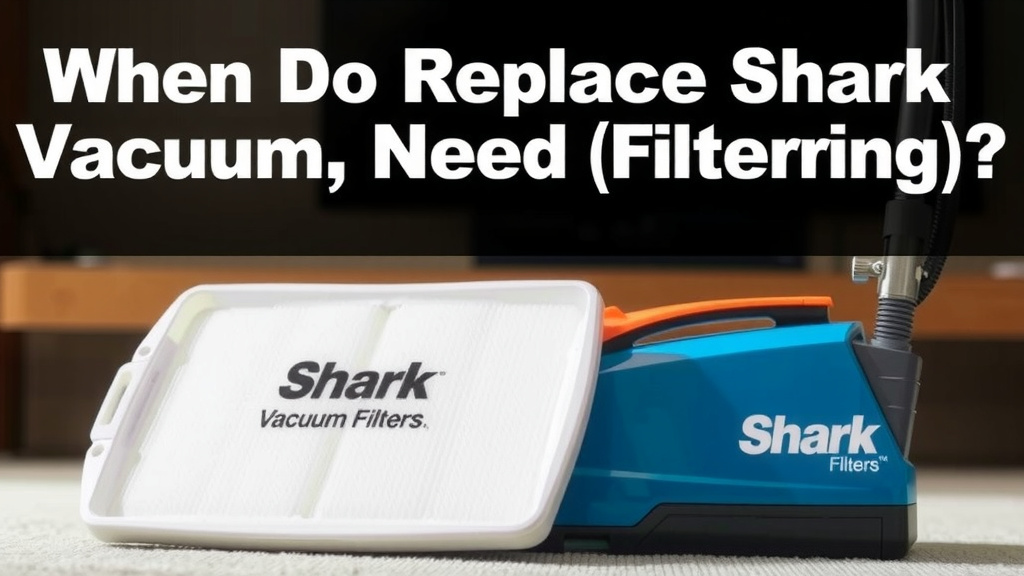
Signs Your Shark Vacuum Filters Need Attention
Your vacuum will often tell you when its filters are struggling. Paying attention to these signs can prevent bigger problems down the line. Don’t ignore these subtle (or not-so-subtle) clues!
Reduced Suction Power
This is the most common sign. You’ll notice your vacuum isn’t picking up dirt like it used to. It feels like it’s just pushing dirt around instead of sucking it up. This happens because the clogged filters block airflow. Less air means less suction. We found this symptom appears quite early when filters are compromised.
Unusual Noises or Overheating
When filters are blocked, the vacuum motor has to work much harder. This extra strain can cause the motor to overheat. You might hear a strained whining sound. Some Shark models have thermal cut-off switches that will shut the vacuum down if it gets too hot. This is a protective measure, but it means your filters are likely very dirty.
Musty Odors
A lingering musty smell after vacuuming is often a sign of dirty filters, especially if you have washable ones that weren’t dried properly. Trapped moisture and dust can lead to mold and mildew growth. These microbes then get blown back into your air. This can be particularly problematic for allergy sufferers.
Checklist for Filter Maintenance
Here’s a quick checklist to help you stay on top of your Shark vacuum’s filter needs:
- Know your filter type (washable vs. disposable).
- Schedule washes for washable filters every 1-2 months.
- Replace disposable filters every 3-6 months.
- Inspect filters monthly for visible dirt or damage.
- Adjust schedule based on pets, allergies, and usage.
- Always ensure filters are dry before reinstallation.
| Usage Scenario | Recommended Replacement/Wash Frequency |
|---|---|
| Light Use (Weekly, no pets/allergies) | Replace every 6 months / Wash every 2 months |
| Moderate Use (Several times a week, no pets/allergies) | Replace every 4-5 months / Wash every 1-2 months |
| Heavy Use (Daily, no pets/allergies) | Replace every 3-4 months / Wash monthly |
| Households with Pets | Replace every 2-3 months / Wash every 1-1.5 months |
| Households with Allergies/Asthma | Replace every 3 months / Wash every 1-1.5 months |
Conclusion
Keeping your Shark vacuum’s filters clean and up-to-date is essential for peak performance and a healthier home environment. Remember, the general guideline is to replace them every 3 to 6 months, but your specific usage, whether you have pets, or suffer from allergies, will influence this. Always refer to your model’s manual for exact filter types and care. By performing regular maintenance, you ensure your Shark continues to deliver powerful suction and clean air. So, make it a habit to check and replace your filters – your vacuum, and your lungs, will thank you!
Frequently Asked Questions
How do I know if my Shark vacuum filter needs replacing?
The most common sign is a noticeable drop in suction power; your vacuum just won’t pick up dirt like it used to. You might also notice unusual noises or your vacuum overheating, as clogged filters make the motor work harder. Visually inspecting the filter for heavy dirt or discoloration is also a good indicator.
Can I wash all Shark vacuum filters?
No, not all Shark filters are washable. Some models use disposable filters that cannot be cleaned and must be replaced entirely. Always check your Shark vacuum’s user manual to determine if your specific filters are washable or disposable to avoid damaging them.
How long does a washable Shark filter typically last?
While washable filters can be reused, they don’t last forever. After about a year of regular washing and drying, their filtering efficiency can decrease. It’s a good idea to replace them annually, even if they look clean, to ensure optimal performance and air quality.
What happens if I don’t replace my Shark vacuum filters often enough?
Not replacing your filters can lead to significantly reduced suction power, making your vacuum less effective. It can also cause your vacuum motor to overheat, potentially leading to premature wear or damage. Furthermore, dirty filters won’t trap allergens and fine dust as well, impacting your home’s air quality.
Should I use genuine Shark replacement filters?
We strongly recommend using genuine Shark replacement filters whenever possible. These are designed specifically for your vacuum model, ensuring a proper fit and optimal filtration performance. Using third-party filters might not provide the same level of effectiveness and could potentially harm your vacuum.