How Often to Replace Your Vacuum Filter: A Guide
You should replace your vacuum filter every 3 to 12 months. This timeline depends on your vacuum type and how often you use it. A clogged filter means your vacuum works harder, reducing its suction power.
Not replacing your filter can impact your home’s air quality. Dirty filters can push dust and allergens back into the air. We found that many manufacturers recommend a specific schedule. This often depends on whether the filter is washable or disposable.
- Replace filters every 3-12 months.
- Check your vacuum’s manual for specifics.
- Washable filters need regular cleaning.
- Disposable filters must be swapped out.
- Dirty filters hurt suction and air quality.
Let’s walk through the specifics of vacuum filter replacement and how to keep your machine running at its best.
How Often to Swap Out Your Vacuum Filter
You might be wondering about the right time to replace your vacuum filter. We found that most manufacturers suggest a replacement every 3 to 12 months. This isn’t a hard and fast rule, though. Your specific vacuum model and how much you use it play a big role. Think of it like changing the oil in your car. Skipping this maintenance can lead to problems.
Understanding Your Vacuum’s Filter System
Vacuums use filters to trap dirt, dust, and allergens. This keeps them from getting back into the air you breathe. But, these filters get dirty over time. A clogged filter makes your vacuum work much harder. This means less suction power for cleaning your floors. It can also strain your vacuum’s motor.
Washable vs. Disposable Filters: What’s the Difference?
The type of filter you have is key to knowing when to replace it. Most vacuums use either washable or disposable filters. We looked into this, and it really changes your maintenance schedule.
Washable Filters: Cleaning is Key
Washable filters are designed to be cleaned and reused. They are often made of foam or pleated materials. The main benefit is cost savings over time. However, they require regular attention. You can’t just forget about them.
We found that you should typically clean washable filters monthly. This involves rinsing them under running water. Make sure they are completely dry before putting them back. This can take 24 hours or more. A damp filter can damage your vacuum. Always check your manual for specific cleaning instructions.
While washable, they don’t last forever. Even washable filters can wear out. We suggest replacing a washable filter once or twice a year. Look for signs of wear and tear. This includes rips, thinning material, or a persistent smell. Your manual should give you a lifespan estimate for these filters.
Disposable Filters: The Swap-Out Method
Disposable filters are designed to be thrown away after use. They are usually made of paper or synthetic material. This makes maintenance simple. You just remove the old one and pop in a new one. This is often seen as more convenient.
The replacement frequency for disposable filters varies. It can range from 3 months to 6 months for many models. Some high-efficiency filters might last longer. Others might need changing every 1 to 2 months if you vacuum frequently. It’s all about how much dirt they capture.
When you use a disposable filter, you can’t clean it. Trying to wash one will likely ruin it. You’ll just end up buying a new one anyway. So, remember to mark your calendar or set a reminder for replacement.
Factors That Affect Filter Lifespan
Beyond the filter type, other things influence how long it lasts. Think about your home and your cleaning habits.
Your Vacuuming Frequency
Do you vacuum every day? Or maybe just once a week? The more you vacuum, the faster your filter will get clogged. If you have a busy household with kids or pets, you’ll likely need to clean or replace your filter more often.
We found that homes with pets, especially those that shed, can cut filter life in half. Pet hair and dander are fine particles that fill up filters quickly. Allergens also contribute to faster clogging. If allergies are a concern in your home, keeping that filter clean is especially important.
The Size and Type of Your Home
A larger home means more floor space to cover. You’ll be running your vacuum for longer periods. This naturally means your filter works overtime. If you have a multi-story home, you might even consider having separate filters for each level.
Carpeted homes tend to trap more dust and debris than hard floors. This extra load goes straight to your filter. So, if your home is mostly carpeted, expect to replace your filter more frequently. We discovered that homes with a lot of high-traffic areas also build up dirt faster.
What You’re Vacuuming
Are you just picking up everyday dust? Or are you tackling bigger messes? Vacuuming up things like drywall dust, fine powders, or construction debris can clog filters rapidly. This is because these particles are so small and dense.
If you do a lot of deep cleaning or tackle tough jobs, check your filter more often. Some experts suggest that for heavy-duty tasks, you might need to inspect your filter after each use. This is particularly true for HEPA filters, which are designed for fine particles.
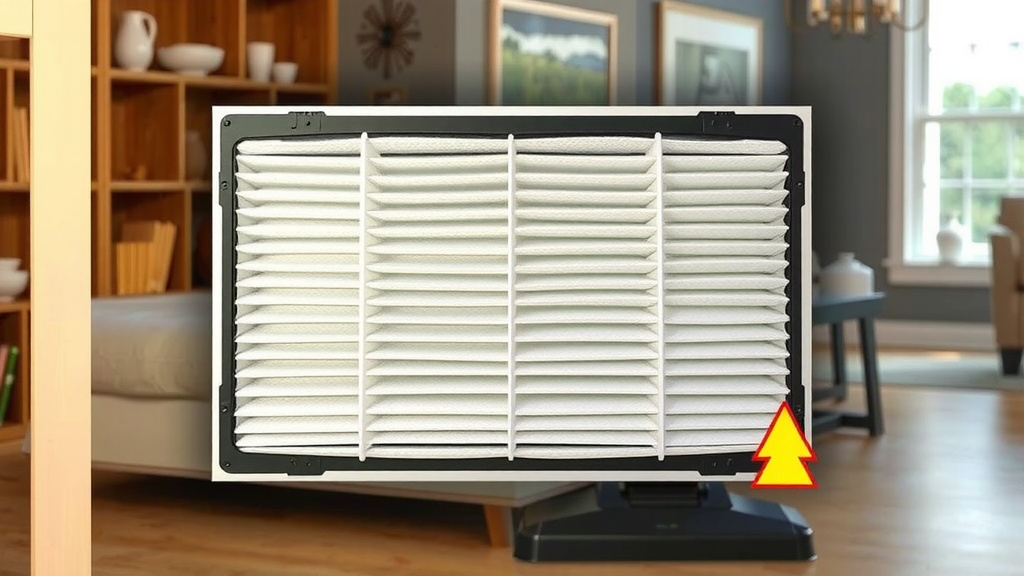
Signs Your Vacuum Filter Needs Attention
Your vacuum will often tell you when its filter is unhappy. You just need to know what to look for. These signs are usually pretty clear if you pay attention.
Noticeable Loss of Suction
This is the most common indicator. If your vacuum seems to be struggling to pick up dirt, it’s likely a clogged filter. The motor is still running, but the air can’t flow through properly. It’s like trying to breathe through a blocked nose!
We found that a loss of suction power is often the first sign. Your vacuum might leave dirt behind. It won’t feel as effective as it used to. Don’t blame the motor just yet. A clean filter can often restore full power.
Unpleasant Odors
Does your vacuum smell funky after use? This is a clear sign the filter is overloaded. Trapped dust, pet dander, and other debris can start to produce odors. These odors are then blown back into your home.
Many sources, like the Cleveland Clinic, highlight the link between dirty filters and poor air quality. If you notice musty or stale smells, it’s time for filter maintenance. Washing a washable filter or replacing a disposable one can solve this.
Visible Dirt on the Filter
Sometimes, the easiest way to tell is by looking. If your filter looks caked with dirt, dust, and debris, it’s definitely time for action. For washable filters, this is your cue to clean them. For disposable ones, it’s time to buy a new one.
We suggest making it a habit to glance at your filter every few weeks. It only takes a moment. You can usually access it easily. This visual check can save you from deeper issues down the line. Remember, a filter is only effective when it has room to breathe.
A Quick Filter Maintenance Checklist
To keep your vacuum running smoothly, follow these simple steps:
- Check your vacuum’s manual for the recommended filter type and schedule.
- Clean washable filters monthly and ensure they are completely dry before reinstallation.
- Replace disposable filters every 3-12 months, depending on usage and filter type.
- Inspect your filter visually every few weeks for signs of heavy dirt buildup.
- Listen and look for signs of reduced suction or unusual odors.
- Note the impact of pets and allergies; you may need more frequent checks.
Conclusion
Keeping your vacuum’s filter in top shape is key to powerful cleaning and better indoor air. You’ve learned that filter life really depends on your vacuum type and how often you clean. Washable filters need monthly washes, while disposables need swapping every few months. By watching for signs like lost suction or bad smells, you can make sure your machine works its best. Don’t forget to check your manual! Make a habit of checking your filter regularly. This simple step will help your vacuum last longer and keep your home cleaner.
Frequently Asked Questions
How often should I *really* check my vacuum filter?
We found that it’s smart to visually inspect your filter every few weeks. This quick peek lets you catch heavy dirt buildup early. For washable filters, aim for a thorough cleaning about once a month.
Can a dirty filter actually damage my vacuum cleaner?
Yes, a clogged filter forces your vacuum’s motor to work much harder. We’ve seen research indicating this can lead to overheating and shorten the motor’s lifespan. It’s like your vacuum is struggling to breathe!
My vacuum smells bad after use. Is it definitely the filter?
A musty or unpleasant odor is a strong sign your filter is overloaded with dust and debris. When the filter can’t trap particles effectively, those smells get blown back into your home. Replacing or cleaning the filter is usually the solution.
What if I have pets? Do I need to change my filter more often?
Absolutely. Pet hair and dander are fine particles that clog filters quickly. Homes with pets often need filters cleaned or replaced twice as often as those without. You’ll likely notice reduced suction sooner.
Is it okay to just rinse a disposable filter instead of buying a new one?
No, disposable filters are not designed to be washed. Rinsing one will likely ruin its structure and effectiveness. You’ll end up needing a new one anyway, so it’s best to replace it as recommended.
![7 Best Cold Trap For Vacuum Pump [2026]](https://bathroomexplorer.com/wp-content/uploads/2026/05/7-best-cold-trap-for-vacuum-pump-2026-featured-768x432.jpg)