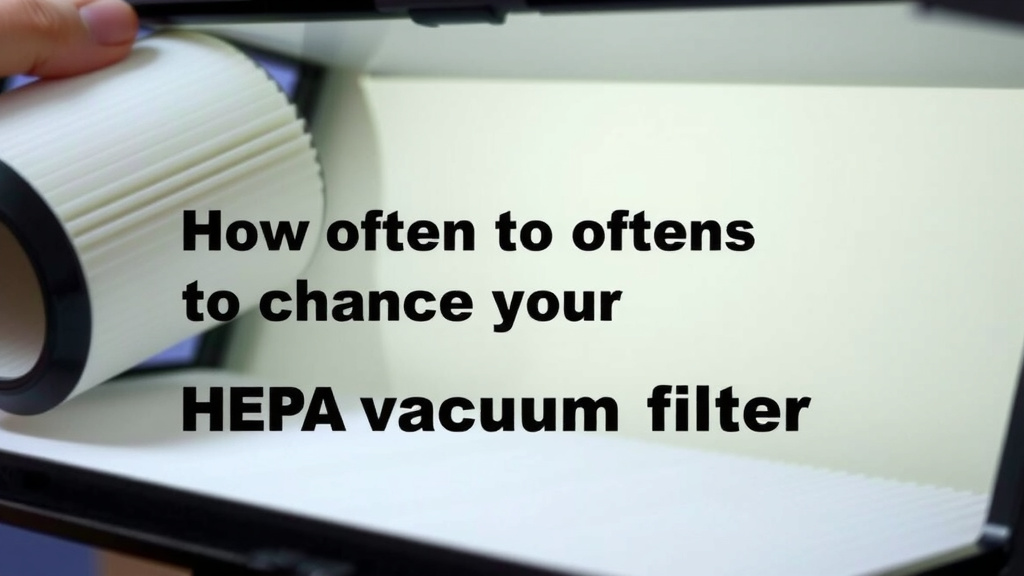
How Often to Change Your HEPA Vacuum Filter
You should change your vacuum’s HEPA filter every 6 to 12 months, or sooner if you have pets or allergies. Regularly replacing your HEPA filter ensures your vacuum keeps sucking up dust and allergens effectively. This simple maintenance step is key to keeping your home air clean.
When a HEPA filter gets clogged, your vacuum’s suction power drops. This means it won’t clean your floors as well. Plus, a dirty filter can push trapped dust back into the air. We found that many people forget this simple task, leading to less effective cleaning. Your vacuum’s performance depends on it.
- HEPA filters typically last 6-12 months.
- Change more often if you have pets or allergies.
- A dirty filter weakens suction power.
- Replace to maintain clean air quality.
- Check your vacuum’s manual for specific advice.
Let’s dive into the details so you can keep your vacuum running smoothly and your home dust-free!
Your vacuum cleaner is more than just a cleaning tool; it’s an air purifier for your home. When it has a HEPA filter, it means it’s designed to trap even the tiniest particles. But just like any filter, it can get clogged up. Let’s talk about how often you should be swapping out that important HEPA filter to keep your vacuum working its best and your air clean.
When to Replace Your Vacuum’s HEPA Filter
Most HEPA filters need replacing every 6 to 12 months. This is a general guideline, and your specific vacuum model might have different recommendations. Always check your owner’s manual first. Some filters are washable, while others are meant to be replaced entirely. Understanding your filter type is the first step.
Factors That Shorten Filter Life
Think of your HEPA filter like a sponge. The more it soaks up, the faster it gets full. Several things can make your filter fill up quicker:
The Presence of Pets
If you have furry friends shedding fur and dander, your HEPA filter works overtime. Pet hair can clog the filter fibers. Dander, microscopic skin flakes, can pack tightly into the filter. We found that homes with pets often need filter changes closer to the 6-month mark. You might even see visible dirt and hair on the filter. Don’t let it get too overloaded!
Allergies and Asthma
For those with allergies or asthma, a HEPA filter is a lifesaver. It captures those tiny irritants you can’t see. But if your home is a hotspot for allergens, the filter will capture them more frequently. People with sensitivities might want to check their filter monthly. A clean filter is essential for managing symptoms. Experts at the Cleveland Clinic often highlight the importance of clean air filters for allergy sufferers.
Frequency of Use and Cleaning Habits
How often do you run your vacuum? If you clean your floors daily, your filter will get dirty faster than someone who vacuums weekly. The type of dirt you pick up also matters. Vacuuming up fine dust, like from drywall or construction, will clog a filter much quicker. So, more cleaning means more filter changes.
Home Environment
Is your home generally dusty? Do you live near a busy road with a lot of air pollution? These environmental factors can contribute to how quickly your filter becomes saturated. A busy household with kids and pets will naturally create more mess and thus, a dirtier filter.
Signs Your HEPA Filter Needs Changing
Your vacuum will often tell you when it’s time for a new filter. Pay attention to these warning signs:
Reduced Suction Power
This is the most common indicator. If your vacuum used to pull up dirt with gusto but now struggles, a clogged filter is likely the culprit. It’s like trying to breathe through a stuffy nose – everything slows down. You might find yourself going over the same spot multiple times without much improvement. This reduced suction power means less effective cleaning.
Unpleasant Odors
A HEPA filter traps more than just dust; it can also trap odors from pet accidents, mold spores, or stale air. When the filter becomes overloaded, these trapped smells can start to be released back into your home. If your vacuum starts smelling musty or unpleasant after use, it’s definitely time for a new filter. You might even notice your home smelling less fresh after cleaning.
Visible Dirt and Debris
Take a peek at your filter. If it looks dark, caked with dirt, or you can see debris packed into the pleats, it’s past its prime. Some filters are white or light-colored, making the dirt very obvious. Don’t wait until it’s completely black. A filter that looks visibly dirty isn’t trapping much more and is likely impeding airflow.
Dust Being Released Back into the Air
This is the worst-case scenario. If your filter is completely saturated, it can no longer hold onto the particles it captures. Instead, it starts to push them back out into your living space. You might notice fine dust settling on surfaces shortly after vacuuming, or see a visible puff of dust when you turn the vacuum on or off. This defeats the purpose of having a HEPA filter!
Checking Your Vacuum’s Manual
Every vacuum cleaner is different. The manufacturer knows their machine best. Your vacuum’s manual is your ultimate guide. It will tell you the specific type of HEPA filter your model uses. It will also provide the manufacturer’s recommended replacement schedule. Some brands might even suggest specific cleaning routines for certain filter types.
Understanding Filter Types
There are generally two main types of HEPA filters you’ll encounter:
- Washable HEPA Filters: These can be rinsed under water and dried completely before being reinserted. While convenient, they still have a lifespan and need replacing eventually, typically every 1-2 years of use, or when they start to show wear and tear.
- Non-Washable (Disposable) HEPA Filters: These are designed to be thrown away and replaced with a new one. Their lifespan is usually the 6-12 month range we discussed.
Reading your manual will help you identify which type you have and how to care for it properly.
A Quick Checklist for Filter Maintenance
To help you keep track, here’s a simple checklist:
- Check your vacuum’s manual for specific filter recommendations.
- Inspect your HEPA filter visually once a month.
- Note reduced suction power or strange odors.
- Note visible dirt, debris, or dust escaping.
- Replace washable filters according to manual instructions.
- Replace disposable filters every 6-12 months, or sooner if needed.
Conclusion
You’ve learned how important your vacuum’s HEPA filter is for cleaning your home and air. Remember, most filters need changing every 6 to 12 months. Factors like pets, allergies, and how often you vacuum can speed this up. Watch for signs like weak suction or bad smells. Your vacuum’s manual is your best friend for specific advice. Make checking and replacing your HEPA filter a regular habit. Your next step is to check your owner’s manual and schedule your filter change!
Frequently Asked Questions
How do I know if my vacuum has a HEPA filter?
Look for a label on your vacuum cleaner or check the product specifications online or in your manual. Many vacuums that claim to be good for allergies or pet owners come standard with HEPA filters, but it’s always best to confirm.
Can I wash a HEPA filter if it’s not washable?
No, you should never wash a non-washable HEPA filter. These filters are designed to trap very fine particles, and washing them can damage the filter media, rendering it ineffective or even causing it to break apart.
What happens if I don’t change my HEPA filter often enough?
If you don’t change your HEPA filter regularly, its performance will suffer. You’ll notice a significant drop in suction power, meaning your vacuum won’t clean as effectively. Plus, a clogged filter can start releasing trapped dirt and allergens back into your air.
Are HEPA filters all the same size and shape?
No, HEPA filters come in many different sizes and shapes to fit various vacuum cleaner models. It’s essential to use the correct filter specified for your vacuum. Always refer to your vacuum’s manual to find the exact part number or type of filter you need.
How often should I check my HEPA filter if I have multiple pets?
If you have multiple pets, their dander and fur will clog your HEPA filter much faster. We recommend visually inspecting your filter at least once a month. Be prepared to replace it sooner than the general 6-12 month guideline, potentially every 3-4 months.
![7 Best Handheld Pool Vacuum For Above Ground Pool [2026]](https://bathroomexplorer.com/wp-content/uploads/2026/05/7-best-handheld-pool-vacuum-for-above-ground-pool-2026-featured-768x432.jpg)