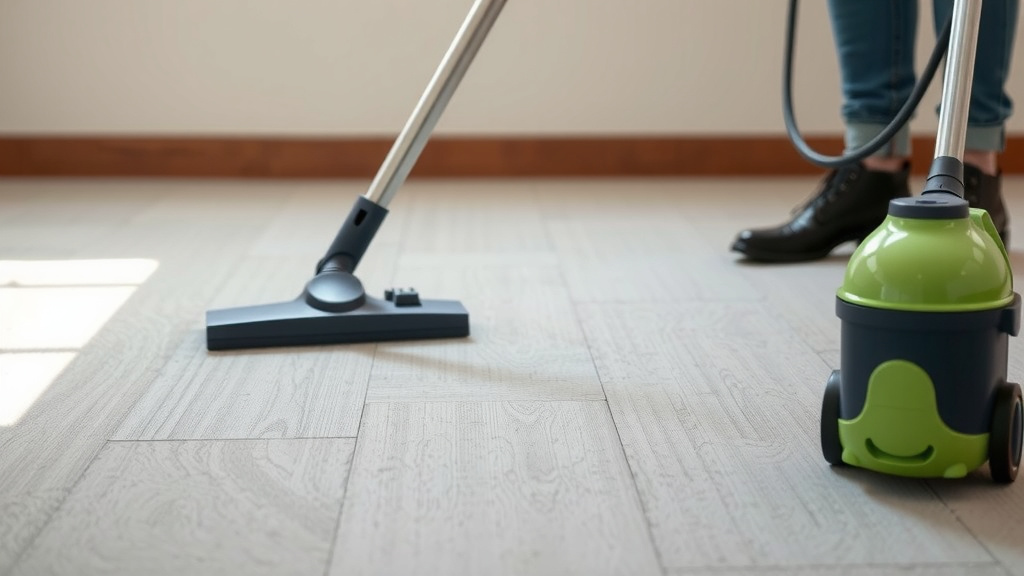
How Often Should You Vacuum Your Floors?
The frequency with which you should vacuum your floors really depends on your household. Generally, most experts recommend vacuuming high-traffic areas weekly, and less-used spaces every other week. For homes with pets or allergies, daily vacuuming of certain spots might be necessary.
Getting your vacuuming routine right helps maintain a cleaner, healthier home environment. It’s not just about looks; regular vacuuming can significantly reduce allergens like dust mites and pet dander. Finding a schedule that fits your life makes this chore much more manageable and effective for your family.
- Vacuum high-traffic areas weekly.
- Less-used areas can be done bi-weekly.
- Pets or allergies might need daily spot-cleaning.
- A consistent routine keeps your home healthier.
Let’s walk through exactly how often you should be running that vacuum cleaner to keep your floors looking and feeling their best.
Your Vacuuming Frequency: Finding the Right Rhythm
So, you’re wondering how often you really need to drag that vacuum out of the closet. It’s a question many of us ponder, especially when life gets busy. The honest answer is: it truly depends on your unique household situation. However, there are some general guidelines that can help you establish a routine that works for you and keeps your home clean and healthy.
Generally, we recommend tackling your high-traffic areas at least once a week. Think about the places where people walk the most. Less-used spots, like guest bedrooms or formal living rooms, might be fine with a vacuuming every other week. It’s all about being smart with your time and energy.
Understanding the Factors That Influence Vacuuming Needs
Several factors play a big role in determining your ideal vacuuming schedule. It’s like knowing when to water your plants – some need it daily, others less often. Your home’s “needs” are similar.
The Impact of Pets on Your Floors
If you share your home with furry friends, you know they bring a lot of joy, but also a fair amount of dander, fur, and tracked-in dirt. For pet owners, vacuuming needs to be more frequent. Many experts suggest vacuuming areas where your pets spend the most time at least twice a week. Some even recommend a quick daily sweep of pet-heavy zones to manage shedding and dander effectively.
Consider the type of pet and their habits. A shedding dog will necessitate more frequent vacuuming than a short-haired cat. Think of it as a small act of love for your pet and for your own well-being. Reducing allergens is a big win for everyone in the household.
Allergies and Air Quality: A Closer Look
For those who suffer from allergies or asthma, vacuuming isn’t just about aesthetics; it’s about improving indoor air quality. Dust mites, pollen, pet dander, and other microscopic allergens can accumulate quickly on carpets and floors. The U.S. Environmental Protection Agency (EPA) recommends regular vacuuming with a HEPA filter to help capture these tiny irritants.
If allergies are a concern, you might find yourself vacuuming your main living areas two to three times a week. Focusing on bedrooms and common areas is usually a good strategy. A clean floor means cleaner air, which can lead to fewer allergy flare-ups and a more comfortable living environment for you and your family.
Foot Traffic: How Much Action Do Your Floors See?
The number of people in your home and how much they move around directly impacts how quickly floors get dirty. A busy household with kids and pets running in and out will naturally require more frequent vacuuming than a quiet home with one or two adults. Your entryways and main hallways are usually the biggest culprits.
Research and found that homes with higher foot traffic accumulate dirt and debris much faster. If your main hallway or living room looks like a highway, vacuuming it weekly is a good starting point. You might even need to do a quick spot vacuuming mid-week if things get particularly messy.
Establishing Your Ideal Vacuuming Schedule: A Practical Guide
Now that we’ve covered the influencing factors, let’s put together a practical schedule. Think of this as a flexible framework you can adjust as needed. We’ll break it down by room type and frequency.
High-Traffic Zones: The Weekly Must-Do
These are the areas that see the most action daily. This typically includes your living room, family room, kitchen, and main hallways. For most households, vacuuming these areas once a week is essential to keep dirt and allergens under control. If you have pets or allergies, you’ll want to bump this up.
Don’t forget to move furniture slightly if possible. Getting to those hidden dust bunnies can make a big difference. A good weekly vacuum can prevent dirt from becoming deeply embedded in your carpet fibers.
Medium-Traffic Areas: Bi-Weekly or As Needed
These are areas that are used regularly but not as constantly as your main living spaces. Think dining rooms (if not used daily), home offices, or playrooms. Vacuuming these spaces every two weeks is usually sufficient. You can easily adjust this based on how quickly they seem to accumulate dust or debris.
A quick glance around is often all it takes to know if it’s time. Are there crumbs under the dining table? Is there a noticeable layer of dust on the playmat? Trust your eyes and your sense of cleanliness.
Low-Traffic Areas: Monthly or Less Frequent
Guest bedrooms, formal sitting rooms, or rarely used storage areas fall into this category. These spaces often get by with vacuuming once a month or even less frequently. Unless you have a specific issue like a dust mite problem, you likely don’t need to worry about these areas as much.
It’s still a good idea to give them a quick vacuum every so often. This helps maintain air quality and prevents dust from building up excessively. A quick pass every few months might be all that’s needed.
Vacuuming Smarter, Not Harder: Tips for Efficiency
We’ve all been there – staring at the vacuum cleaner with a sigh. But what if we told you there are ways to make this chore less daunting and more effective? It’s all about having the right tools and a smart approach.
The Right Tools Make a Difference
Using a vacuum cleaner with good suction and appropriate attachments can speed up the process and improve results. We found that vacuums with HEPA filters are particularly beneficial for homes with allergies or asthma (Cleveland Clinic). Make sure your vacuum bag or canister is emptied regularly; a full vacuum loses suction power.
Consider investing in a lightweight, cordless vacuum for quick cleanups. These are fantastic for tackling high-traffic spots between deeper cleans. Having a handheld vacuum is also a lifesaver for furniture and stairs.
Spot Cleaning Saves Time
Don’t wait for your scheduled day if a spill or mess happens. Address messes as they occur. A quick spot clean can prevent a small issue from becoming a big cleaning task later. Keep a small handheld vacuum or cleaning wipes handy for spills.
This also applies to pet owners. If your dog tracks mud through the entryway, a quick vacuum of that specific spot saves you from having to do the whole hallway. It’s all about tackling problems before they become widespread.
Your Quick Vacuuming Checklist
Here’s a simple checklist to help you remember the basics:
- High-Traffic Areas: Aim for at least weekly vacuuming.
- Pets & Allergies: Increase frequency to 2-3 times per week, or daily spot cleaning.
- Medium-Traffic Areas: Consider bi-weekly vacuuming.
- Low-Traffic Areas: Monthly vacuuming is often sufficient.
- Tools Check: Ensure your vacuum is clean and functioning well.
- Spot Clean: Address spills and messes immediately.

Conclusion
Finding your ideal vacuuming rhythm is all about understanding your home’s unique needs. You’ve learned that busy households with pets or allergies will need more frequent attention, often multiple times a week. Less active areas can be managed with bi-weekly or monthly vacuuming. The goal isn’t perfection, but consistency. By following these guidelines, you’re not just cleaning floors; you’re creating a healthier living space for your family.
Your next step? Take a quick look around your home and decide on a starting schedule. You can always adjust it as you go. Happy vacuuming!
Frequently Asked Questions
How often should I vacuum if I have shedding dogs?
If you have shedding dogs, you’ll want to vacuum more often. Aim to vacuum the areas where your dogs spend the most time at least twice a week. Some pet owners find daily spot vacuuming of high-traffic zones is necessary to manage fur and dander.
Does vacuuming frequency change with different flooring types?
Yes, different flooring types can impact how often you need to vacuum. Carpets trap more dust and allergens than hard floors like tile or hardwood. You might find yourself vacuuming carpeted areas more frequently than wood or laminate floors.
Is it bad to vacuum the same spot multiple times?
No, it’s not bad to vacuum the same spot multiple times. In fact, going over high-traffic areas or heavily soiled spots twice can be very effective. It helps ensure that dirt and debris are fully removed from carpet fibers or floor crevices.
Should I vacuum my whole house at once or break it up?
Breaking up your vacuuming can make the task feel less overwhelming. Consider vacuuming high-traffic areas once a week and less-used areas every other week. This approach helps maintain overall cleanliness without requiring a massive cleaning session every time.
How can I tell if my vacuum cleaner isn’t working effectively?
You’ll know your vacuum isn’t working effectively if you’re going over the same spot multiple times and not picking up dirt. Other signs include a loss of suction, strange noises, or if the brush roll isn’t spinning properly. Ensure the dustbin is emptied and filters are clean for best performance.
![7 Best Dust Vacuum For Home [2026]](https://bathroomexplorer.com/wp-content/uploads/2026/05/7-best-dust-vacuum-for-home-2026-featured-768x432.jpg)