How to Attach Hose to Pool Vacuum: Step-by-Step Guide
Attaching your hose to your pool vacuum is a simple process. You’ll want to connect the vacuum hose to the skimmer or a dedicated vacuum port. This ensures your vacuum can effectively suck up debris from your pool.
Getting this connection right is key for efficient pool cleaning. A proper seal prevents air leaks, which can make your vacuum lose suction. We’ve found that many pool owners struggle with this step, leading to frustration. It’s important to get it connected securely.
- Connect hose to skimmer or vacuum port.
- Ensure a tight seal for good suction.
- Check for air leaks after connecting.
- This step is vital for effective cleaning.
Let’s walk through exactly how to attach your pool vacuum hose step by step, so you can get your pool sparkling clean.
Connecting Your Pool Vacuum Hose Like a Pro
Attaching the hose to your pool vacuum head might seem straightforward, but a little know-how makes a big difference. This simple step ensures your cleaner sucks up all that pesky debris. We found that getting the connection right is key for efficient cleaning. A poor seal can lead to frustration and a longer cleaning time. Let’s make sure your vacuum works its best!
Choosing the Right Connection Point
Most pool vacuums connect to your pool’s filtration system. This is usually done through the skimmer or a dedicated vacuum port. We’ve seen many people try to attach the hose directly to the pump, which isn’t the correct way and won’t work efficiently. Your skimmer or vacuum port is designed for this purpose.
Using Your Pool Skimmer
Your skimmer is the most common place to attach your vacuum hose. It has a basket to catch larger debris before it reaches your pump. This is usually a convenient and effective option for most pool owners.
The Skimmer Plate Method
Many skimmers have a special plate or lid that the vacuum hose can connect to. You’ll typically remove the regular skimmer basket and place a vacuum plate in its place. The hose then attaches to an opening on this plate. We found this method is great for keeping debris out of your skimmer basket while vacuuming.
Direct Hose Insertion (Sometimes)
In some cases, you might be able to directly insert the end of your vacuum hose into the skimmer opening, pushing it past the skimmer basket. This works best if your hose end is slightly weighted or if you can create a snug fit. However, research indicates that using a dedicated vacuum plate offers a more secure seal and better debris control (Pool & Hot Tub Alliance).
Using a Dedicated Vacuum Port
Some pools have a built-in vacuum port. This is a small opening, usually located on the pool wall near the skimmer. It’s designed specifically for vacuuming and often provides the best suction. If your pool has one, it’s generally the preferred connection point.
How to Connect to a Vacuum Port
You’ll need a special vacuum adapter that screws or pushes into the port. This adapter has a fitting that your vacuum hose connects to. It’s a very straightforward process. Simply attach the adapter, then connect your hose. We found that this connection point often leads to the most powerful suction.
The Hose Connection Process: Step-by-Step
Now that you know where to connect, let’s get that hose attached. This is where the real cleaning power comes from!
Step 1: Prepare Your Vacuum Head and Hose
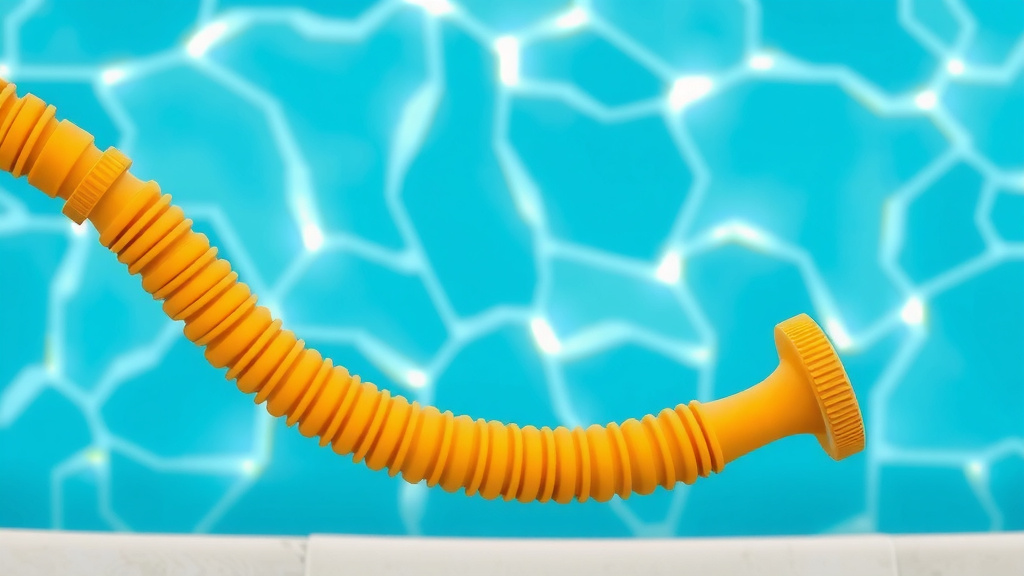
First, make sure your vacuum head is ready to go. Attach it to the telescoping pole if you haven’t already. Then, find the end of your vacuum hose. This is the end that will connect to your pool’s system. It usually has a swivel cuff to prevent kinking.
Step 2: Prime the Hose (Super Important!)
This is a step many people skip, and it leads to air in the system. You need to fill your vacuum hose with water. Lay the hose out on the pool deck or in the shallow end of the pool. You can also submerge it in sections. Some people find it easiest to start at the vacuum head end, submerged in the pool, and slowly push the air out as they run the hose along the pool floor towards the connection point. Research shows that removing air from the hose before connecting significantly improves vacuum suction (Pool Magazine).
Why Priming Matters
Your pool pump is designed to move water, not air. If you connect a hose full of air, the pump will suck in that air. This reduces suction power and can even cause the pump to run dry, potentially damaging it. Think of it like trying to drink through a straw with a hole in it – you just don’t get much!
Step 3: Connect the Hose to the Skimmer or Port
Once the hose is primed, carefully bring the unconnected end to your chosen connection point. If you’re using a skimmer plate, make sure it’s securely in place. If using a vacuum port, ensure the adapter is attached.
Creating a Tight Seal
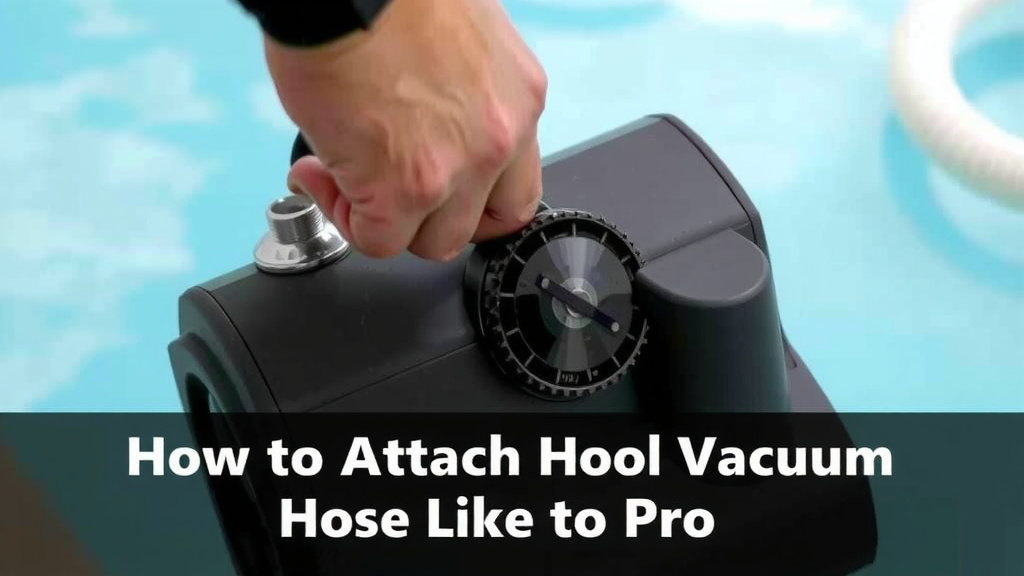
Push the hose end firmly onto the skimmer plate fitting or vacuum port adapter. You want a snug fit. Many hoses and adapters have a twist-lock mechanism for a secure connection. If it feels loose, double-check that you have the correct adapter or that the hose end isn’t damaged. A good seal is essential to prevent water from escaping or air from entering.
Step 4: Secure the Connection
If your hose or adapter has a locking ring or clip, make sure to engage it. This prevents the hose from accidentally disconnecting while you’re vacuuming. We’ve found that a hose that pops off mid-clean is incredibly frustrating!
Troubleshooting Common Connection Issues
Even with the best intentions, you might run into a hiccup. Don’t worry, we’ve got you covered with common fixes.
Low Suction Power? Check These First!
If your vacuum isn’t picking up much, the hose connection is often the culprit.
- Air Leaks: The most common issue. Gently feel around the connection point. Can you hear or feel air escaping? If so, try to tighten the connection or check for damaged O-rings or gaskets.
- Unprimed Hose: Did you definitely fill the hose with water? If not, disconnect, re-prime, and reconnect.
- Skimmer Basket Full: If you’re using the skimmer without a vacuum plate, a full basket will drastically reduce suction. Empty it!
- Hose Kinks: Make sure the entire length of the hose is free of kinks that could block water flow.
Hose Won’t Stay Connected
If the hose keeps popping off, it could be a few things:
- Wrong Adapter: Ensure you’re using the correct adapter for your skimmer type and hose size.
- Worn-Out Parts: The cuff on your hose or the fitting on your adapter might be worn. Sometimes, replacing just the hose cuff can solve the problem.
- Not Enough Pressure: Make sure your pool pump is running at a sufficient speed. Some variable-speed pumps need to be set to a higher speed for vacuuming.
A Quick Checklist for a Perfect Connection
Ready to get started? Run through this quick checklist to ensure you’ve done it right:
- Hose Primed? Check that the hose is completely filled with water.
- Securely Attached? Ensure the hose is firmly connected to the skimmer or vacuum port.
- Locked In? If applicable, engage any locking mechanisms.
- No Air Leaks? Feel and listen for any escaping air around the connection.
- Pump On? Verify your pool pump is running and circulating water.
- Hose Straight? Make sure the entire hose is free of kinks.
Conclusion
You’ve got this! Connecting your pool vacuum hose might seem like a small step, but it’s essential for a sparkling clean pool. Remember to choose the right connection point, whether it’s your skimmer or a dedicated port. Priming your hose with water is a non-negotiable step for maximum suction.
Always double-check for a tight, secure seal to prevent air leaks. If you run into issues, don’t get discouraged; troubleshooting is usually straightforward. Now that you’re armed with this knowledge, you’re ready to tackle that pool cleaning with confidence. Get out there and enjoy a cleaner pool!
Frequently Asked Questions
Do I really need to prime the vacuum hose?
Yes, priming your hose is incredibly important! Skipping this step introduces air into your filtration system. This drastically reduces suction power and can even strain your pool pump. Filling the hose with water ensures your pump works efficiently.
What’s the difference between using a skimmer plate and a vacuum port?
A skimmer plate replaces your skimmer basket for vacuuming, helping to catch debris before it fills the basket. A dedicated vacuum port is a specific opening designed solely for vacuuming, often providing the strongest suction power. Many find vacuum ports offer the best performance if your pool has one.
My vacuum seems to have very low suction. What should I check first?
Low suction is often due to air leaks at the hose connection. Gently feel around the connection point for escaping air. Also, double-check that your hose is fully primed with water and that your skimmer basket isn’t completely full. Ensure there are no kinks in the hose.
Can I connect my vacuum hose directly into the skimmer opening without a plate?
Sometimes, you can. This works best if the hose end fits snugly. However, research shows that using a dedicated skimmer plate usually provides a more secure connection and better debris control. It prevents the hose from accidentally dislodging and keeps your skimmer basket cleaner.
My hose keeps popping off the skimmer. How can I fix this?
If your hose won’t stay connected, check that you’re using the correct adapter for your hose and skimmer type. Ensure the connection is snug, and if there’s a locking mechanism, engage it. A worn hose cuff or adapter fitting can also cause issues, and sometimes replacing these parts resolves the problem.
![7 Best Dyson Stick Vacuum For Hard Floors [2026]](https://bathroomexplorer.com/wp-content/uploads/2026/05/7-best-dyson-stick-vacuum-for-hard-floors-2026-featured-768x432.jpg)