New Washing Machine Cost: What to Expect in 2026
You’re probably wondering, “How much does a new washing machine cost?” A new washing machine typically costs between $500 and $1,500. Basic models start around $400, while high-end, smart machines can go up to $2,000 or more. Your final price depends on features and brand.
Several factors influence the price of a new washing machine. The type of washer (top-load vs. front-load) is a big one. Features like steam cycles, Wi-Fi connectivity, and energy efficiency ratings also add to the cost. Think about what you truly need for your laundry routine.
- Front-load washers generally cost more.
- Top-load washers are usually more budget-friendly.
- High-efficiency (HE) models save water and energy.
- Smart features can add $300-$500 to the price.
- Specialty finishes like black stainless steel cost extra.
Ready to find the perfect fit for your home and budget? Let’s dive into the details of washing machine pricing.
What’s the Average Cost of a New Washing Machine?
So, you’re in the market for a new washing machine. It’s a big purchase, and understandably, you want to know the ballpark figures. We found that most people spend between $500 and $1,500 on a new washer.
But that’s just an average. Some very basic models can be found for under $400, while feature-rich, smart machines can easily push past $2,000. Think of it like buying a car: you can get a reliable sedan or a luxury SUV, and the price difference is substantial.
Breaking Down the Washing Machine Price Tag
Several factors play a big role in how much that shiny new washing machine will cost you. It’s not just a number; it’s a reflection of the technology and convenience packed inside.
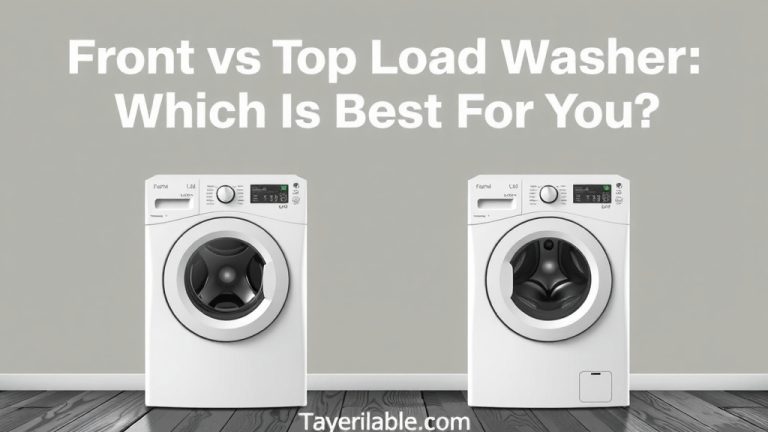
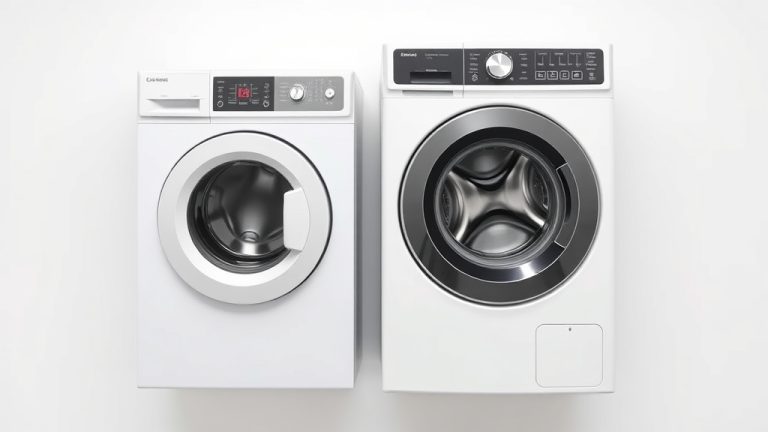
Top-Load vs. Front-Load Washers: The Great Divide
One of the first big decisions, and price influencers, is the type of washer. You’ve got your classic top-loader and the sleeker front-loader.
Top-Load Washers
These are often the more budget-friendly option. They typically cost less upfront. Many are also easier to load because you don’t have to bend down as much. They generally have faster wash cycles, too, which can be a lifesaver when you’re in a hurry.
Front-Load Washers
Front-loaders tend to be more expensive initially. However, many studies and consumer reports suggest they are more energy and water-efficient over time. They’re also known for being gentler on clothes and offering better cleaning performance, often using an impeller or an agitator to move clothes.
Features That Fetch a Higher Price
Beyond the basic type, the bells and whistles on a washing machine can really add to the cost. What kind of laundry warrior do you need?
Capacity and Size
Larger capacity washers that can handle bulky items like comforters will naturally cost more. If you have a big family or do a lot of laundry, you might need that extra space, but be prepared for a higher price tag.
Energy and Water Efficiency
Machines with an ENERGY STAR certification are designed to use less energy and water. While they might cost more upfront, they can save you money on utility bills. Many experts recommend looking for this certification for long-term savings (U.S. Department of Energy).
Wash Cycles and Settings
Do you need specialized cycles for delicates, sanitizing, or steam? Steam features, in particular, can help remove allergens and wrinkles but will increase the overall cost. Think about the types of loads you do most often.
Smart Technology
This is where prices can really climb. Washing machines with Wi-Fi connectivity allow you to control them remotely via a smartphone app. You can start, stop, and monitor cycles. Some even send notifications when a load is done. These smart features can add $300 to $500 or more to the price.
Build Quality and Finish
Higher-end models often use more durable materials and have quieter operation. Special finishes, like black stainless steel or custom colors, can also cost extra compared to standard white or stainless steel.
Washing Machine Price Ranges at a Glance
To give you a clearer picture, here’s a general breakdown of what you can expect in different price brackets:
| Price Range | What to Expect |
|---|---|
| $400 – $600 | Basic top-load washers. Standard cycles. Decent capacity. Good for smaller households or those on a tight budget. |
| $600 – $1,000 | Mid-range top-load or basic front-load washers. More cycle options. Better energy efficiency. Larger capacities become more common. |
| $1,000 – $1,500 | High-efficiency front-load washers. Advanced cycles (steam, sanitizing). Quieter operation. Durable build. Larger capacities. |
| $1,500+ | Premium and smart washers. Wi-Fi connectivity. Voice control. Unique finishes. Top-tier efficiency and performance. |
Beyond the Sticker Price: Hidden Costs to Consider
While the purchase price is significant, there are a few other things to keep in mind. You want to avoid any unpleasant surprises down the road.
Delivery and Installation
Some retailers include delivery and basic installation in the price. Others may charge extra, especially if you need them to haul away your old machine. Always ask about these fees upfront.
Extended Warranties
You might be offered an extended warranty. These can provide peace of mind but also add to your total cost. Research the manufacturer’s warranty first to see if an extension is truly necessary.
Water and Energy Usage
As we touched on, more efficient models, while costing more initially, can save you money on your utility bills. Over the life of the machine, these savings can add up significantly. Many sources suggest looking at the estimated annual operating cost when comparing models (Consumer Reports).
Tips for Finding the Best Value
Finding a washing machine that balances cost and performance is key. Here are a few practical tips we’ve gathered:
- Prioritize Your Needs: What features are non-negotiable for you?
- Compare Brands and Models: Don’t settle on the first one you see.
- Look for Sales and Discounts: Holidays often bring good deals.
- Read Reviews: See what real users are saying about reliability.
- Check Energy Labels: Aim for ENERGY STAR certification.
- Consider Long-Term Costs: Factor in utility savings.
Conclusion
Buying a new washing machine involves more than just picking a color. You’ve learned that prices generally range from $500 to $1,500, but can go higher or lower based on type, features, and brand. Front-loaders often cost more but can save on utilities. Smart tech and special cycles add to the price, but consider if they fit your laundry needs. Always factor in delivery and installation fees to get the full picture. Now, you’re ready to compare models, check reviews, and find the best washing machine for your home and budget.
Frequently Asked Questions
Are front-load washers worth the extra cost?
Many studies suggest front-load washers are more energy and water-efficient over their lifespan. While they might have a higher upfront price, they can save you money on utility bills. They’re also often gentler on your clothes, which can help them last longer.
How much does installation typically cost?
Installation costs can vary widely. Some retailers include basic hookup and delivery for free, while others charge extra. If you need them to remove your old machine, expect an additional fee. It’s best to ask for a quote before you buy.
Are high-efficiency (HE) washing machines more expensive?
HE washing machines can have a higher initial cost, especially if they have advanced features. However, their main benefit is using less water and energy. This can lead to lower utility bills over time, offsetting the higher purchase price.
What’s the cheapest type of washing machine I can buy?
Basic top-load washers with simple controls and standard cycles are generally the most affordable. You can often find these models for under $400. They may lack advanced features but can still get your laundry clean effectively. If you’re looking for a more budget-friendly option, our guide to top-load washers can help you find a great fit.
Is a smart washing machine with Wi-Fi worth the extra money?
Smart features like Wi-Fi connectivity can add $300 to $500 or more to the price. Consider if you’ll actually use the ability to control your washer remotely via an app. For some, the convenience is worth it, but for others, it’s an unnecessary expense.