Choosing the Right Washing Machine: A Buyer’s Guide
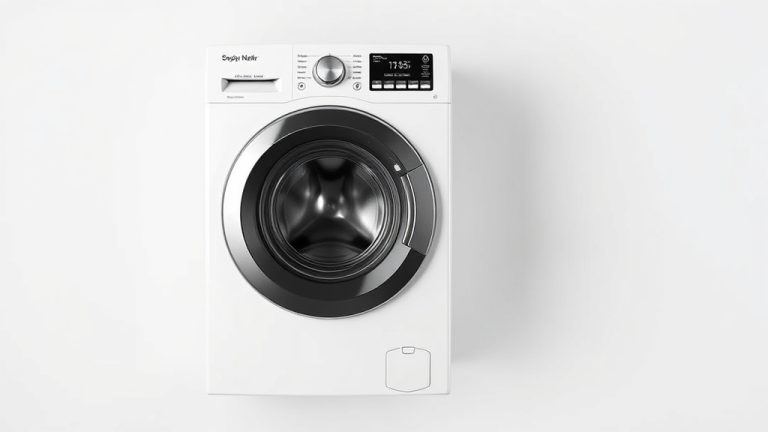
A washing machine is a household appliance designed to clean your clothes. It uses a combination of water, detergent, and mechanical action to remove dirt and stains. Think of it as your laundry’s superhero, ready to tackle grime with a spin and a rinse.
Understanding your washing machine is key to getting the best laundry results. Different types exist, from top-loaders to front-loaders, each with unique features. We found that knowing your machine’s settings can save time and energy.
- A washing machine cleans clothes using water, soap, and motion.
- Top-loaders and front-loaders are the main types.
- Knowing settings helps get clothes cleaner.
- It saves you time and energy on laundry day.
Let’s walk through exactly what a washing machine does and how to make yours work its best for you.
Understanding Your Washing Machine’s Role
A washing machine is your laundry day’s best friend. It’s a machine designed to clean your clothes efficiently. Your machine uses water, detergent, and physical motion. This combination works to remove dirt and stains from fabrics.
Think of it as a sophisticated bathtub for your clothes. It agitates them with water and soap. Then it rinses them clean. This saves you a lot of manual scrubbing. It’s a cornerstone of modern home convenience.
The Two Main Types of Washers
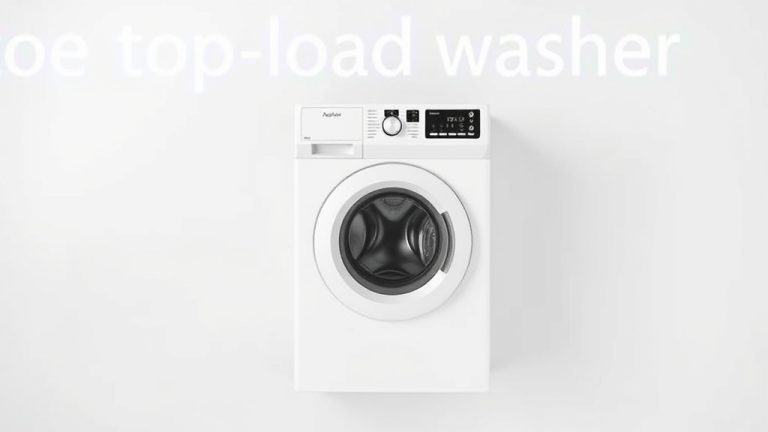
When you look for a washing machine, you’ll typically see two main styles. These are the top-loading and front-loading models. Each has its own way of cleaning and specific benefits.
Top-Loading Washing Machines
Top-loaders have the door on top. You load your clothes into the drum from above. These machines often use an agitator. This is a central post with fins. It twists and turns to move clothes through the water.
Some modern top-loaders use an impeller. This is a low-profile cone or disc. It sits at the bottom of the drum. It spins and tumbles clothes. Many people find top-loaders easier to load. You don’t have to bend over as much.
We found that top-loaders tend to be faster on average Our guide explains which top-loaders are faster on average.. A quick wash cycle can be as short as 30 minutes. They also tend to be more affordable upfront. This makes them a popular choice for many households.
Front-Loading Washing Machines
Front-loaders have a door on the front. You open it to load your laundry. These machines clean clothes by tumbling them. The drum spins, lifting clothes and dropping them back into the water. This method is often gentler on fabrics.
Many experts say front-loaders are more energy and water-efficient. They use less water because the drum only needs to be partially filled. This can lead to lower utility bills over time. They also tend to have higher spin speeds. This removes more water from clothes.
This means your clothes will dry faster. This is a great benefit when you’re in a hurry. Front-loaders often have more wash cycle options. You can customize settings for different fabric types. They can also handle larger loads. This is good for families.
Comparing Top-Loaders and Front-Loaders
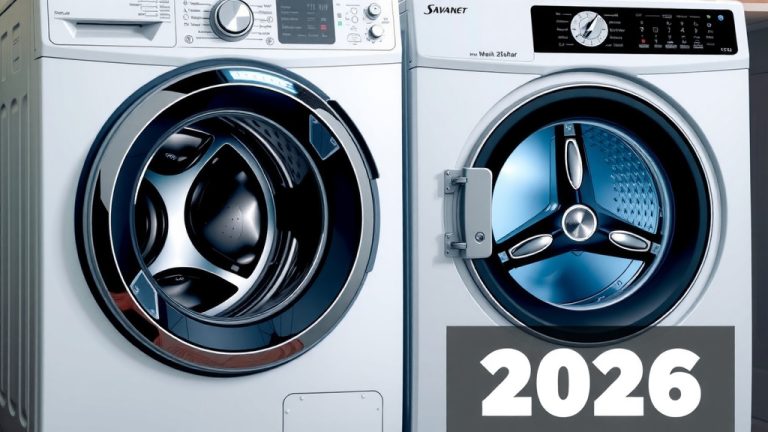
To help you decide, let’s compare them:
| Feature | Top-Loading | Front-Loading |
|---|---|---|
| Loading Style | From the top | From the front |
| Cleaning Action | Agitator or impeller | Tumbling action |
| Water Efficiency | Less efficient | More efficient |
| Cycle Time | Generally faster | Can be longer |
| Gentleness on Clothes | Can be harsher | Generally gentler |
| Typical Cost | Lower initial cost | Higher initial cost |
The Basic Washing Process
Regardless of the type, all washing machines follow a similar process. They need water, detergent, and mechanical action. Your machine controls these elements precisely.
Filling with Water
First, your machine fills with water. It draws water from your home’s supply. You can often choose between cold, warm, or hot water. The temperature choice affects cleaning power and fabric care. Many guidelines recommend cold water for most loads (CDC).
Adding Detergent
Next, you add detergent. This is where the cleaning magic happens. Detergent breaks down dirt and oils. It allows them to be washed away. You can use liquid, powder, or pods. Follow the manufacturer’s instructions for the right amount. Too much can leave residue.
Agitation or Tumbling
This is the mechanical action phase. Your machine agitates or tumbles the clothes. This rubbing action helps loosen dirt from the fabric. It pushes the dirt into the water. This is where the “washing” really occurs.
Draining and Rinsing
After washing, the dirty water drains away. Then, the machine refills with clean water. It rinses the clothes to remove soap. This rinse cycle may repeat. This ensures no detergent is left behind.
Spinning to Remove Water
Finally, the drum spins very fast. This is the spin cycle. Centrifugal force pushes water out of your clothes. The faster the spin, the drier your clothes will be. This reduces drying time, whether in a dryer or on a line.
Key Washing Machine Features to Know
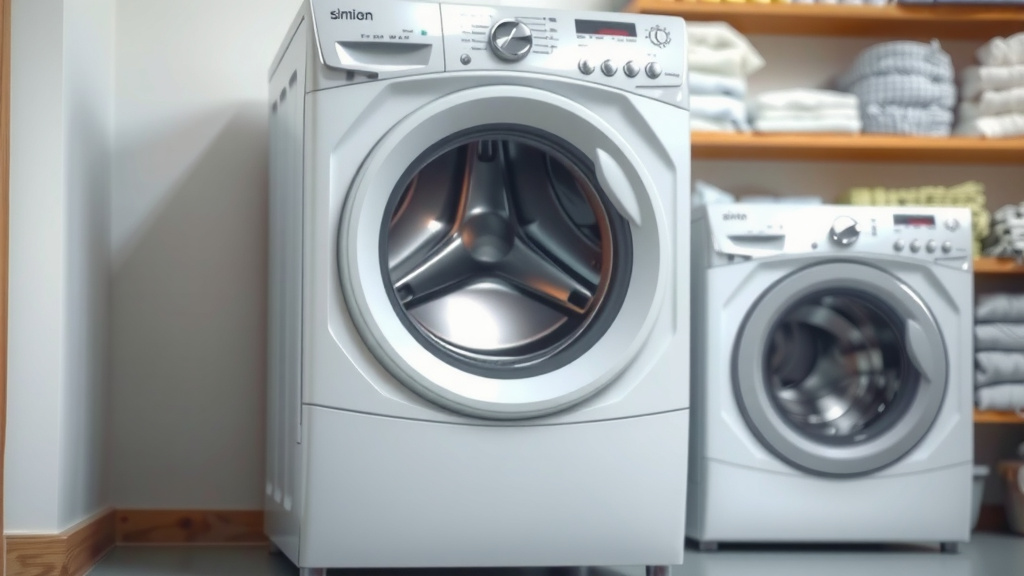
Modern washing machines come with many features. Knowing them helps you get the best results. They are designed to make laundry easier and more effective.
Wash Cycles and Settings
Your machine has different wash cycles. These are tailored for specific needs. You might see cycles like ‘Delicates,’ ‘Heavy Duty,’ or ‘Quick Wash.’ There are also temperature settings and spin speed options. Understanding these can prevent damage and clean better.
For instance, using the ‘Delicates’ cycle for sweaters protects them. Using ‘Heavy Duty’ for muddy work clothes ensures a deeper clean. We found that many people use the same basic cycle for everything. This can lead to less-than-ideal results.
Load Size Options
Some machines automatically sense the load size. Others have manual settings. Choosing the right load size helps optimize water usage. It also ensures clothes get adequately cleaned. Don’t overload your machine! Clothes need room to move.
Specialty Features
Many washers offer special features. These might include steam cycles. Steam can help sanitize clothes or remove tough wrinkles. Some have delayed start options. This lets you set a wash to finish at a certain time. Others offer smart connectivity. You can control them from your phone.
Maintaining Your Washing Machine
Keeping your washing machine in good shape is important. A little care can extend its life. It also ensures your clothes come out truly clean.
Here’s a quick checklist:
- Wipe down the door seal regularly.
- Clean the detergent dispenser.
- Run a cleaning cycle monthly.
- Leave the door ajar between uses.
- Check and clean the lint filter if accessible.
Many experts suggest running an empty hot water cycle with vinegar or a washing machine cleaner periodically (Good Housekeeping Institute). This helps remove buildup.
Conclusion
So, a washing machine is your essential partner in keeping clothes clean. You’ve learned about the two main types: top-loaders and front-loaders. Each has unique ways of cleaning and different benefits for your laundry routine. Understanding your machine’s cycles and settings is key to better results. It also helps you save time and energy. Keeping your washer well-maintained ensures it works its best for years. Now you have the knowledge to use your washing machine effectively. Take a moment to check your machine’s manual and experiment with a new setting or cycle this week.
Frequently Asked Questions
Can I wash my clothes without detergent?
While your washing machine can rinse clothes with just water, it won’t effectively remove dirt and oils. Detergent is designed to break down stains and loosen grime from fabrics. For truly clean clothes, detergent is a necessary component of the wash cycle.
How often should I clean my washing machine?
It’s a good practice to run an empty cleaning cycle or a hot water cycle with vinegar or a specialized cleaner about once a month. This helps prevent odor buildup and removes any residual detergent or mineral deposits. Also, wipe down the door seal and dispenser regularly.
What is the difference between an agitator and an impeller in top-loaders?
An agitator is a central post that twists and turns clothes, while an impeller is a low-profile disc or cone at the bottom that spins. Agitators can be harsher on fabrics but are often good for heavy soil. Impellers tend to be gentler and allow for larger loads.
Are front-loaders truly more efficient than top-loaders?
Yes, front-loaders generally use less water because they only need to fill the drum partially. They also often have higher spin speeds, which extract more water from clothes, potentially reducing drying time and energy use. This water and energy saving can add up over time.
What happens if I overload my washing machine?
Overloading your washing machine prevents clothes from moving freely. This means they won’t get as clean, and detergent may not rinse out properly. It can also put extra strain on your machine’s motor and drum, potentially leading to premature wear and tear.