Top Load Washing Machine: What It Is and How It Works
A top load washing machine is a type of washing machine where you load clothes into the drum from the top. It typically uses an agitator or impeller in the center to move clothes through water. These machines are known for being easy to load and often come at a more affordable price point.
You’ll find two main types: those with a central agitator, which is a tall spindle, and high-efficiency (HE) models that use a low-profile impeller. Many users prefer top loaders for their simplicity and accessibility. We found that this design makes them user-friendly for most households.
- Top load washers load from the top.
- They often have an agitator or impeller.
- They are known for being easy to use.
- HE models offer good cleaning with less water.
- Generally, they are quite affordable.
Let’s dive into the details of what makes a top load washing machine tick and why it might be the perfect fit for your laundry needs.
Understanding Your Top Load Washing Machine
So, you’re curious about top load washing machines? That’s great! These are the workhorses of many laundry rooms. We’ve found that their straightforward design makes them a popular choice for a reason. Let’s get into the nitty-gritty of how they operate and what sets them apart.
How a Top Load Washer Works: The Basics
At its core, a top load washer is all about getting your clothes clean. You toss your laundry into the drum from the top opening. Then, you add your detergent. The machine fills with water, and the magic happens.
The Agitator: The Traditional Spinning Post
Many traditional top load washers use a central agitator. Think of it as a tall, finned post right in the middle of the drum. This agitator twists and turns, rubbing against your clothes. This action helps to loosen dirt and stains. It also circulates the clothes through the soapy water.
While effective, agitators can be a bit tough on fabrics. They can cause some wear and tear over time. This is a point many users consider when choosing a machine.
The Impeller: A Gentler Approach
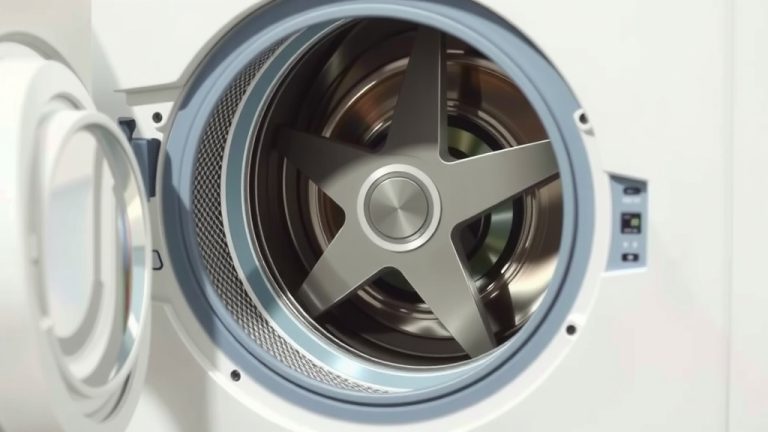
More modern top load washers, often labeled as High-Efficiency (HE) models, use an impeller instead of an agitator. An impeller is typically a low-profile cone or disc at the bottom of the drum. It has fins or ridges that spin. It creates currents in the water to move clothes around. This method is generally gentler on your laundry. It also tends to use less water than traditional agitator models.
We found that HE impeller models often offer a good balance. They provide effective cleaning without the harshness of an agitator. They also align with more eco-friendly practices by conserving water.
Key Features and Components You’ll Find
Beyond the main washing mechanism, top load washers come with various features. Understanding these can help you make a smart choice for your home.
The Lid: A Safety Feature
The lid on a top load washer is essential. It keeps water in and curious fingers out. Most machines have a safety mechanism. If you open the lid during a cycle, the machine will pause. This is a smart feature, especially if you have children or pets running around.
Control Panel: Setting Your Wash
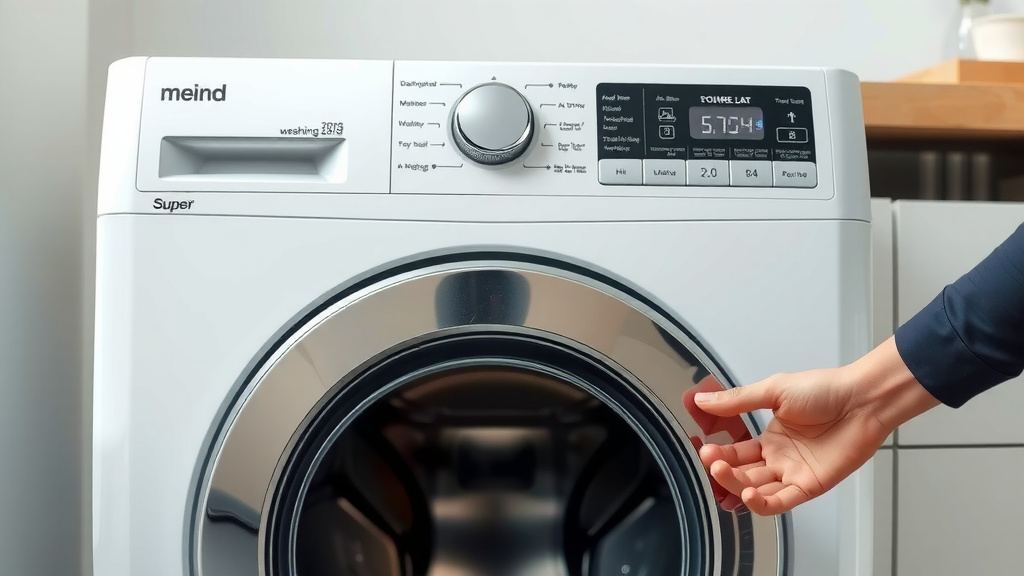
The control panel is your command center. You’ll find buttons or a dial to select wash cycles, water temperature, and spin speed. Simpler models have fewer options. More advanced ones offer specialized cycles for delicates, bulky items, or sanitizing.
We’ve seen that some panels are very intuitive, almost like setting a clock. Others are more digital, with LED displays. The key is finding one that makes sense to you.
Detergent Dispenser: Where the Soap Goes
Most top load washers have a designated spot for detergent. This can be a simple tray or a compartment. Some models have specialized dispensers for fabric softener or bleach. These are designed to release the additives at the correct time in the cycle. This ensures they work effectively without damaging your clothes.
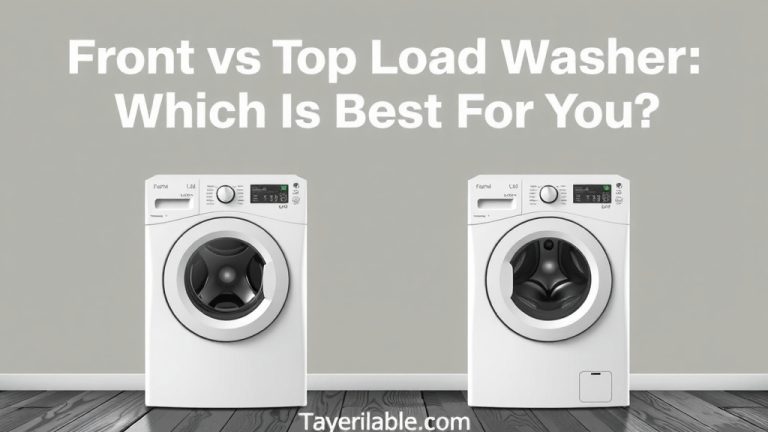
Top Load Washers vs. Front Load Washers: A Quick Look
It’s often helpful to compare top loaders with their front-loading cousins. This helps clarify why you might choose one over the other.
| Feature | Top Load Washer | Front Load Washer |
|---|---|---|
| Loading Style | From the top | From the front |
| Washing Action | Agitator or impeller | Tumbling action |
| Water Usage (HE models) | Moderate | Low |
| Cycle Time | Generally faster | Generally longer |
| Ergonomics | Easy to load, no bending | Requires bending or pedestal |
| Price | Often more affordable | Often more expensive |
Pros of Choosing a Top Loader
Why do so many people stick with top loaders? There are several compelling reasons. For starters, accessibility is a big win. You don’t need to bend down to load or unload your clothes. This is a huge benefit for anyone with back issues or mobility concerns. We’ve heard from many users that this is a deciding factor.
Top loaders are also often quicker to use. Many cycles can be completed in under an hour. Plus, you can usually add forgotten items mid-cycle without issue. Just pop open the lid, toss in that stray sock, and you’re good to go. This flexibility is very convenient.
Things to Consider with Top Loaders
While great, top loaders aren’t perfect for everyone. Traditional agitator models can be harder on fabrics. They may also use more water than HE front-loaders. This could mean higher utility bills over time, depending on your usage.
Additionally, HE top load models, while water-efficient, can sometimes be a bit trickier to load correctly. Overloading can happen easily, as the clothes don’t tumble as freely. We found that following the manufacturer’s guidelines on load size is key for these machines.
Making the Most of Your Top Load Washer
To ensure your top load washer performs at its best, a few simple practices can help. It’s like taking care of any appliance; a little attention goes a long way.
- Use the right amount of detergent. Too much can leave residue. Too little won’t clean effectively.
- Sort your laundry properly. Separate colors, whites, and delicates.
- Don’t overload the drum. Clothes need room to move and get clean.
- Clean the filter regularly. This helps maintain water flow and prevent odors.
- Leave the lid open after use. This allows the drum to air out and prevents musty smells.
Following these steps can help you achieve cleaner clothes and a longer lifespan for your washer. It’s all about working with the machine, not against it.
Conclusion
You’ve now got a solid understanding of what makes a top load washing machine tick! We’ve seen that these machines offer a user-friendly experience with straightforward controls and easy loading. Whether you prefer the traditional agitator or the gentler HE impeller, there’s a top loader designed to fit your needs and budget. Remember, a little care like using the right detergent and not overloading can make a big difference. For your next laundry appliance decision, consider how a top loader’s convenience and accessibility can simplify your household chores. Take a moment to compare models and features to find the best match for your home.
Frequently Asked Questions
Are top load washing machines still a good choice today?
Yes, top load washing machines remain a popular and practical choice for many households. We found they offer great ease of use, especially for those who prefer not to bend down. Their often lower price point and simple operation make them a solid option for everyday laundry needs.
What’s the main difference between an agitator and an impeller?
An agitator is a tall post in the center that twists to move clothes, which can be tough on fabrics. An impeller is a low-profile disc at the bottom that creates water currents for a gentler wash. Many HE top loaders use impellers for better fabric care and water efficiency.
Can I add clothes mid-cycle to a top load washer?
Generally, yes. Most top load washers allow you to pause the cycle and add forgotten items through the top lid. This flexibility is a major advantage over some front-load models. Just be sure to check your specific model’s instructions.
Do top load washers use more water than front load washers?
Traditional top load washers with agitators tend to use more water. However, High-Efficiency (HE) top load models are designed to use significantly less water, similar to front load washers. We recommend looking for HE models if water conservation is a priority for you.
How do I prevent my top load washer from smelling musty?
To keep your top load washer fresh, leave the lid open for a few hours after each use to allow the drum to air out. Regularly cleaning the inside of the drum and checking the filter for lint buildup can also help prevent odors.