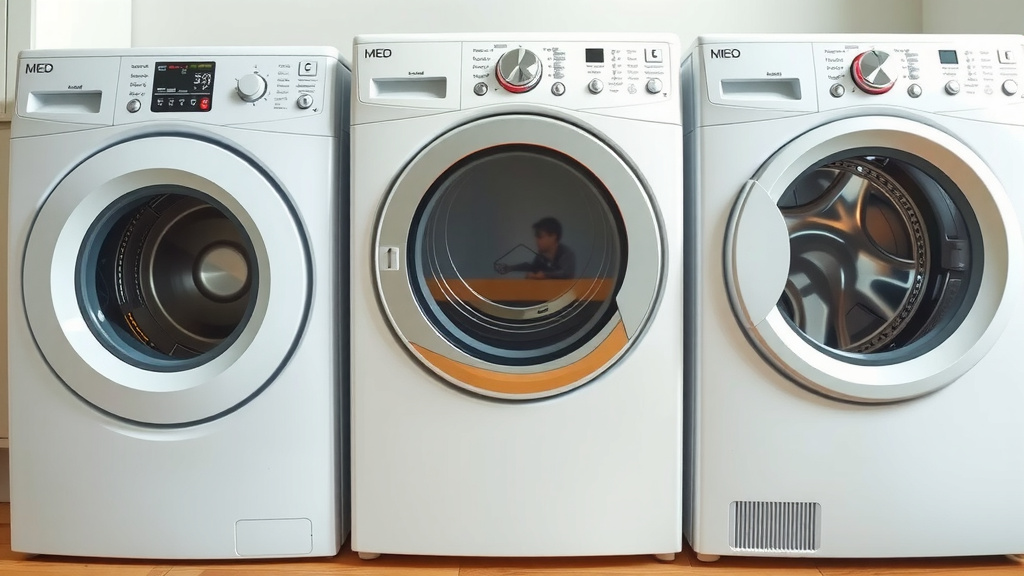
Washer Dryer vs Separate: Which is Right for You
Deciding between a Deciding between a washer dryer combo and separate units involves considering the washing machine cost.washer dryer combo and separate washer and dryer units? For most households, separate units offer better performance and convenience. While a combo saves space, it often means longer drying times and smaller loads.
We found that the choice really boils down to your available space and laundry habits. If you have a large family or do frequent loads, separate machines are usually the more practical choice. For smaller homes or individuals, a combo unit can be a smart space-saving solution.
- Separate units generally wash and dry better.
- Washer dryer combos save space but can be slow.
- Consider your laundry volume and space constraints.
- Separate machines are often more durable long-term.
- Combos are ideal for apartments or small laundry rooms.
Let’s dive deeper into the pros and cons of each so you can pick the best setup for your home.
Comparing Washer Dryer Combos and Separate Laundry Units
When you’re looking to upgrade your laundry setup, you’ll likely run into two main options: a washer dryer combo or a traditional setup with a separate washer and dryer. Each has its own set of advantages and disadvantages, and the best choice for you really depends on your living situation and laundry habits.
The Case for Separate Washer and Dryer Units
Many households find that having a separate washer and dryer is the most practical solution. These machines work independently, which often translates to better performance and efficiency for both washing and drying cycles.
Performance and Capacity Advantages
One of the biggest benefits of separate units is their capacity and performance. Washers and dryers designed for standalone use typically have larger drums. This means you can wash and dry bigger loads of laundry at once. For a family with a lot of laundry, this can save you a significant amount of time and hassle.
Research and consumer reviews consistently show that separate dryers tend to dry clothes more effectively and faster than the drying function in a combo unit. This is because they have dedicated heating elements and airflow systems optimized solely for drying.
Durability and Maintenance
Many experts suggest that separate units may offer better long-term durability. Because each machine is designed for a single purpose, its components might experience less strain over time. This can lead to fewer repairs and a longer lifespan for your appliances.
When a problem does arise with a separate unit, it’s often easier and less expensive to repair. You’re dealing with one appliance that’s not also responsible for the other function. For example, if your washer breaks, your dryer is still fully functional.
Convenience in Laundry Flow
The workflow with separate machines is usually much smoother. You can start a load of laundry in the washer, and once it’s done, you can transfer it to the dryer and immediately start the next wash load. This parallel processing allows you to get through laundry tasks much more quickly.
Think about it: with separate units, you’re not waiting for a wash cycle to finish before you can even begin the drying process. This is a huge time-saver for busy individuals and families.
The Appeal of Washer Dryer Combos
Washer dryer combos, also known as all-in-one units, are designed to both wash and dry clothes in a single machine. They are an attractive option, especially when space is a primary concern.
Space-Saving Design
The most significant advantage of a washer dryer combo is its compact size. If you live in a small apartment, a studio, or a home with a very limited laundry area, a combo unit can be a lifesaver. It allows you to have laundry capabilities without needing the floor space for two separate machines.
Many people install these units in closets, small bathrooms, or even galley kitchens where a full-sized washer and dryer simply wouldn’t fit. This makes laundry accessible even in the tightest living quarters.
Potential Drawbacks of Combos
While space-saving is a big win, combos come with their own set of trade-offs. The most commonly cited issue is longer drying times. Because the machine has to both wash and dry, the drying cycle can be significantly longer than with a dedicated dryer. Some cycles can take several hours to complete.
Another common limitation is load size. To effectively dry clothes, a combo unit often requires smaller loads than what a standard washer can handle. This means you might find yourself doing more frequent, smaller loads of laundry, which can counteract some of the convenience.
We found that many users also report that the drying performance isn’t as robust as a separate dryer. Clothes may come out slightly damp, requiring additional air drying or a second, shorter drying cycle. This can add time and energy consumption.
Energy and Water Usage Considerations
While a combo unit might seem like it would save energy and water by being a single appliance, this isn’t always the case. The extended drying cycles can consume a fair amount of electricity. Additionally, some models may use water during the drying phase, which is not typical for separate dryers.
Consumer reports suggest that when comparing energy efficiency for equivalent loads, separate machines that are Energy Star certified can sometimes be more efficient, especially if you’re only using the wash or dry function as needed.
Key Differences Summarized
To help you visualize the differences, let’s break down some of the main points:
| Feature | Separate Washer & Dryer | Washer Dryer Combo |
|---|---|---|
| Space Needed | Requires space for two full-sized appliances. | Compact, fits in smaller areas. |
| Load Size | Generally larger capacity, fewer loads needed. | Smaller capacity, may require more frequent loads. |
| Washing Performance | Excellent. | Good, but may have limitations on features. |
| Drying Performance | Fast and efficient. | Slower, may leave clothes slightly damp. |
| Cycle Time | Wash and dry cycles are generally quicker. | Combined cycles can be very long. |
| Durability (General) | Often considered more durable long-term. | Can be less durable due to dual function. |
| Cost (Initial) | Higher initial investment for two units. | Lower initial investment for one unit. |
| Maintenance/Repair | Simpler repairs on individual units. | Repairs can be more complex and costly. |
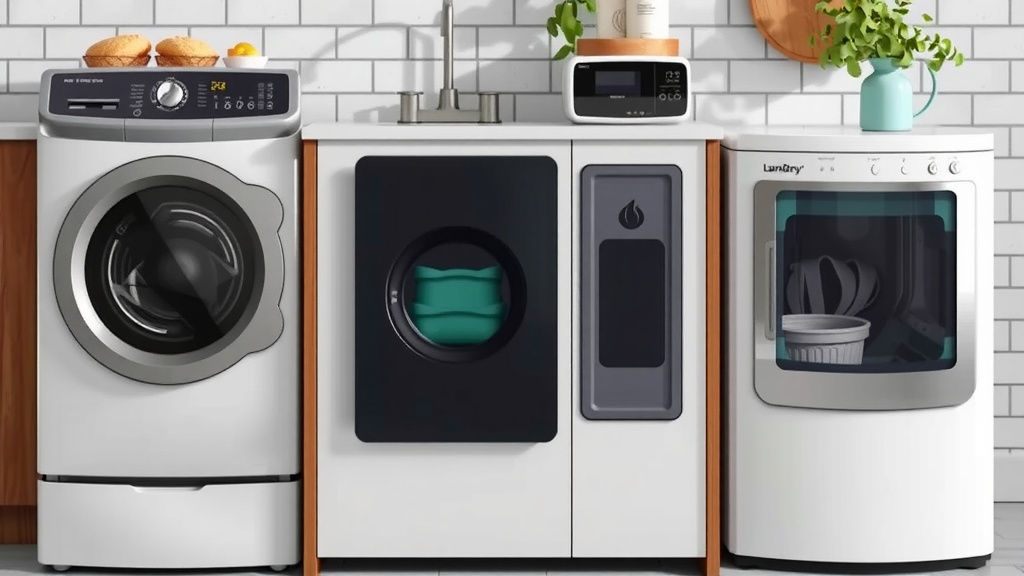
Which Option is Right for You?
Deciding between these two laundry setups comes down to understanding your personal needs. Ask yourself a few questions to guide your choice:
Consider Your Laundry Volume
How much laundry do you do on a regular basis? If you have a large family or are constantly washing and drying multiple loads throughout the week, the efficiency and capacity of separate units will likely serve you much better. You’ll be able to tackle your laundry pile more effectively.
Evaluate Your Available Space
This is often the deciding factor. Measure your laundry area carefully. If you have ample space, separate units offer superior performance. If your space is very limited, a washer dryer combo might be your only practical option to have laundry facilities at home.
Think About Your Laundry Habits and Patience
Are you someone who likes to get laundry done quickly, or are you okay with longer cycles and potentially re-drying items? If you value speed and convenience above all else, and have the space, separate machines are the way to go. If you’re a single person or a couple with lighter laundry needs, and you’re willing to wait a bit longer for your clothes to dry, a combo unit can be a great space-saver.
Quick Checklist Before You Decide
Here’s a simple checklist to help you weigh your options:
- Do you have enough space for two standard appliances?
- Does your household produce a large volume of laundry regularly?
- Is speed and efficiency in laundry crucial for your routine?
- Are you willing to do smaller, more frequent loads if using a combo?
- Is long-term durability and ease of repair a top priority?
- Is your budget flexible enough for two separate units if needed?
Conclusion
When choosing between a washer dryer combo and separate units, remember your laundry habits and space are key. For most households, especially those with families or frequent laundry, separate machines offer better performance and speed. They handle larger loads efficiently. If space is your biggest constraint, a combo unit is a clever solution. However, be prepared for potentially longer drying times and smaller loads. Consider what truly matters most for your daily routine. Take a look at your laundry room dimensions and how many loads you tackle each week to make the best choice for your home.
Frequently Asked Questions
How long does a washer dryer combo typically take to wash and dry a load?
Wash cycles on combo units are generally comparable to separate washers. However, the drying cycle can be much longer, often taking 3 to 6 hours to fully dry a load. This extended time is a major difference compared to dedicated dryers.
Are washer dryer combos good for large families?
Generally, no. Washer dryer combos have smaller capacities. This means you’ll need to do more frequent, smaller loads. For large families with significant laundry needs, separate machines with larger drums are much more practical and time-saving.
Can you use a washer dryer combo without using the dryer function?
Yes, most washer dryer combos allow you to use just the wash function, similar to a standard washing machine. You can also often use just the dry function if needed, though this is less common.
Which type of unit is more energy-efficient, separate or combo?
It depends on your usage. While a combo uses less energy per wash cycle, its very long drying cycles can consume more electricity than a separate dryer. Separate, Energy Star-certified units, used efficiently, can sometimes be more energy-conscious.
What happens if the washer dryer combo breaks down?
If your combo unit breaks, you lose both your washing and drying capabilities until it’s repaired. With separate units, if one appliance fails, you can still use the other, offering a significant advantage in maintaining your laundry routine.