Master Your Front Load Washing Machine: A Simple Guide
Operating a front load washing machine is simple once you know the basic steps. You just need to load your clothes, add detergent, select a wash cycle, and start the machine. Front loaders are known for being gentle on fabrics and using less water than top-load models.
These machines have become quite popular for their energy efficiency and cleaning power. Understanding how to properly use your front loader can help your clothes last longer and ensure you get the best results from each wash. Many models also offer specialized cycles for different fabric types.
- Load clothes loosely into the drum.
- Add detergent to the designated dispenser.
- Choose the correct wash cycle for your load.
- Press the start button to begin the wash.
- Remove clothes promptly after the cycle finishes.
Let’s walk through exactly how to operate your front load washing machine, step by step, so you can get your laundry done with confidence.
Getting Your Front Load Washer Ready to Go
Operating a front load washing machine is quite straightforward once you get the hang of it. You’re probably eager to get your clothes clean, and we’re here to help you do just that with confidence.
Step 1: Loading Your Laundry Properly
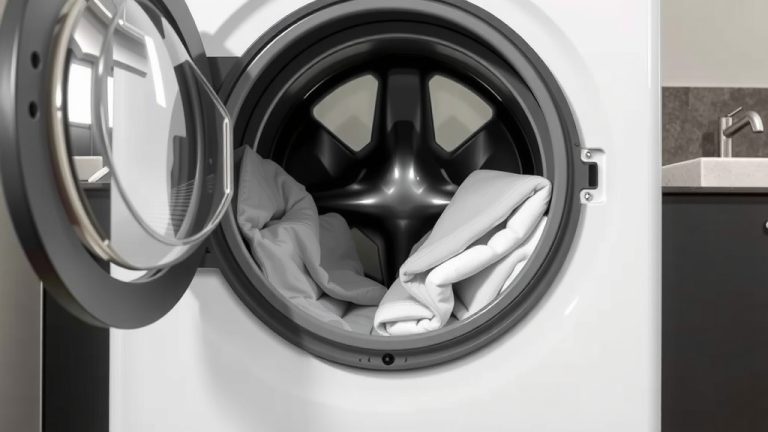
The first step is to load your clothes. It might seem simple, but how you load can make a difference. Always load items loosely into the drum. Don’t pack them in tightly.
Think of it like this: your clothes need room to tumble and move. If the drum is too full, your clothes won’t get properly washed or rinsed. You might end up with detergent residue or items that are still dirty. Most front load washers are designed to use less water, so that space is even more important.
A good rule of thumb is to leave about four fingers of space at the top of the drum. You should be able to reach your hand in easily. If you have bulky items like blankets or comforters, wash them one at a time. This ensures they get cleaned thoroughly and the machine stays balanced.
Step 2: Adding Detergent and Fabric Softener
Next, you’ll need to add your detergent. Front loaders use a special dispenser drawer. This drawer usually has separate compartments. You’ll typically find markings for pre-wash, main wash, and fabric softener.
For most washes, you’ll only need to fill the compartment marked “main wash.” If you’re doing a pre-wash cycle, you’ll use that compartment as well. Fabric softener goes in its own designated spot, usually marked with a flower or “softener.”
What kind of detergent should you use? For front load washers, it’s essential to use HE (High Efficiency) detergent. These detergents are formulated to create less suds. Too many suds can cause issues with your machine, like overfilling or leaving residue on your clothes. You can find HE detergent in both liquid and powder forms. Many experts recommend liquid HE detergent for better dissolution in cooler water temperatures (Mayo Clinic). For front load washers, it’s essential to use HE (High Efficiency) detergent, as explained in our guide to washing machine costs.
A table of common detergent amounts for different load sizes might be helpful:
| Load Size | HE Liquid Detergent (approx. oz) | HE Powder Detergent (approx. scoops) |
|---|---|---|
| Small Load | 1-2 oz | 1/2 scoop |
| Medium Load | 2-3 oz | 1 scoop |
| Large Load | 3-4 oz | 1.5 scoops |
Always check the detergent packaging for specific recommendations. Using too much detergent is a common mistake and can lead to the same problems as using the wrong type.
Step 3: Selecting the Right Wash Cycle
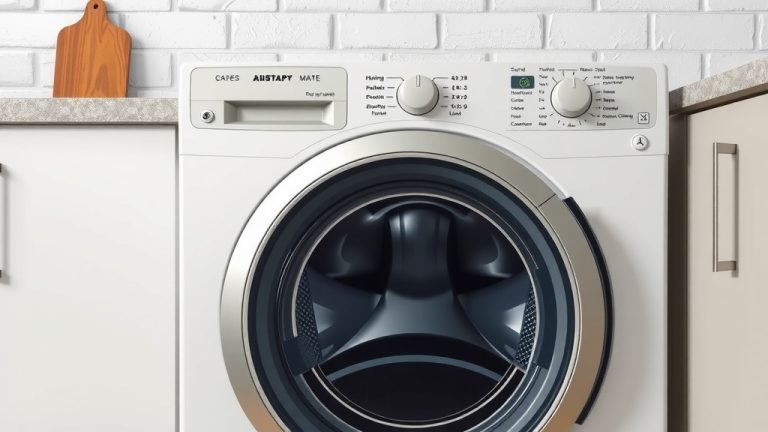
Now for the fun part – choosing the cycle! Modern front loaders have a dizzying array of options. Don’t let them overwhelm you. Most cycles are designed to handle common laundry needs efficiently.
Understanding Common Cycles
Here are a few cycles you’ll likely see and when to use them:
- Normal/Cotton: This is your everyday workhorse. Use it for most of your cotton items, like t-shirts, jeans, and towels. It offers a good balance of cleaning power and gentleness.
- Permanent Press/Synthetics: This cycle is great for synthetic fabrics like polyester or blends. It uses a cooler water temperature and a slower spin to help prevent wrinkles.
- Delicate/Hand Wash: For your most fragile items, like lingerie, silk, or anything with lace. It uses minimal agitation and a gentle spin.
- Heavy Duty/Intensive: For heavily soiled items like work clothes or muddy sports gear. It uses more water and a longer wash time to tackle tough stains.
- Quick Wash/Speed Wash: Perfect for when you’re in a hurry and have a small load of lightly soiled items. It gets the job done fast, but isn’t ideal for heavy dirt.
Specialty Cycles Explained
Many machines also offer specialized cycles. These can be game-changers for specific needs:
- Sanitize: This cycle uses very hot water to kill germs and bacteria. It’s excellent for baby clothes or bedding if someone has been sick (CDC recommends hot water for sanitizing).
- Allergen: Similar to sanitize, this cycle uses high heat to remove allergens like dust mites and pet dander.
- Steam: Some machines have a steam function that can help remove wrinkles and freshen up clothes without a full wash.
- Bulky/Bedding: Designed for larger items like blankets, comforters, and sleeping bags.
Temperature and Spin Speed Settings
Beyond the cycle, you’ll often have options for water temperature and spin speed. What should you choose?
- Hot Water: Best for whites, heavily soiled items, and sanitizing. It’s also good for durable fabrics like cotton.
- Warm Water: A good all-around choice for most loads, including synthetics and moderately soiled items.
- Cold Water: Ideal for delicate fabrics, bright colors that might bleed, and lightly soiled items. It’s also the most energy-efficient option. Using cold water can save you money on your energy bill (Energy Star).
For spin speed, a higher speed extracts more water, meaning shorter drying times. A lower speed is gentler on fabrics. For delicates, always choose a low spin speed. For towels and sturdy items, a higher speed is usually fine.
Step 4: Starting the Wash Cycle
Once you’ve loaded your clothes, added detergent, and selected your cycle, you’re almost done! The final step is to press the start button. It’s usually a large, clearly marked button.
You’ll often hear a series of beeps or see lights illuminate. The machine will then lock its door and begin filling with water. Some machines have a delay start option, allowing you to set it to begin washing later. Just make sure you don’t leave detergent in the dispenser for too long if you use that feature.
Step 5: Unloading Your Clean Laundry
When the cycle is finished, your machine will likely beep to let you know. It’s important to remove your laundry promptly. Leaving wet clothes in the washer for extended periods can lead to mildew and unpleasant odors.
Open the door and carefully remove your clean clothes. Give the drum a quick look to make sure no small items were left behind. Transfer them directly to your dryer or hang them up to air dry.
A Quick Checklist for Your Next Wash
Here’s a handy checklist to keep by your machine:
- Check pockets for coins, tissues, or anything else.
- Load the drum loosely, leaving space at the top.
- Add the correct HE detergent to the dispenser.
- Select the appropriate wash cycle, temperature, and spin speed.
- Press the start button.
- Remove clothes as soon as the cycle ends.
Conclusion
You’ve now learned the simple steps to effectively operate your front load washing machine. Remember to load clothes loosely, use the correct HE detergent, and choose cycles suited to your fabrics. Taking these small steps ensures your clothes get a thorough clean while protecting them from wear and tear.
By following this guide, you’ll maximize your washer’s performance and keep your laundry looking its best. For your next load, make sure to double-check those pockets and select the perfect cycle to get started!
Frequently Asked Questions
Can I use regular detergent in my front load washer?
No, you should always use HE (High Efficiency) detergent. Regular detergents create too many suds, which can damage your machine and leave residue on your clothes. HE detergents are specifically formulated for low-suds washing found in front loaders.
How often should I clean my front load washing machine?
It’s recommended to clean your front load washer at least once a month. This helps prevent mold, mildew, and odors. Running a cleaning cycle with a specialized washer cleaner or a vinegar solution can keep your machine in top condition.
Why does my front load washer sometimes smell musty?
A musty smell is often caused by detergent residue and moisture trapped in the door seal and drum. Always leave the door ajar after each use to allow airflow. Wiping down the rubber gasket can also help prevent this common issue.
What is the purpose of the “Sanitize” or “Allergen” cycle?
These cycles use very hot water, often combined with steam, to kill bacteria, germs, and allergens like dust mites. They are ideal for washing baby clothes, bedding, or items belonging to someone who is sick or has allergies.
Can I add clothes mid-cycle to my front load washer?
Some newer front load models have a “add garment” feature that allows you to pause the cycle and add forgotten items. However, on most machines, once the cycle has begun and the door is locked, you cannot safely add more clothes until the cycle is finished.