How Your Front Load Washer Works: A Simple Guide
A front load washer works by tumbling your clothes through a small amount of water. This efficient design uses gravity to help wash your laundry. It means less water and energy are used compared to older washing machine types.
You’re probably wondering if these washers are really that different. They are! The way they clean your clothes is more gentle and thorough. Many experts agree this tumbling action helps prevent wear and tear on your favorite garments.
- They tumble clothes instead of soaking them.
- This uses less water and energy.
- It’s gentler on your clothes.
- Your laundry comes out cleaner.
Let’s walk through exactly how your front load washer gets those clothes sparkling clean, step by step!
“`htmlHow Your Front Loader Gets Clothes Clean
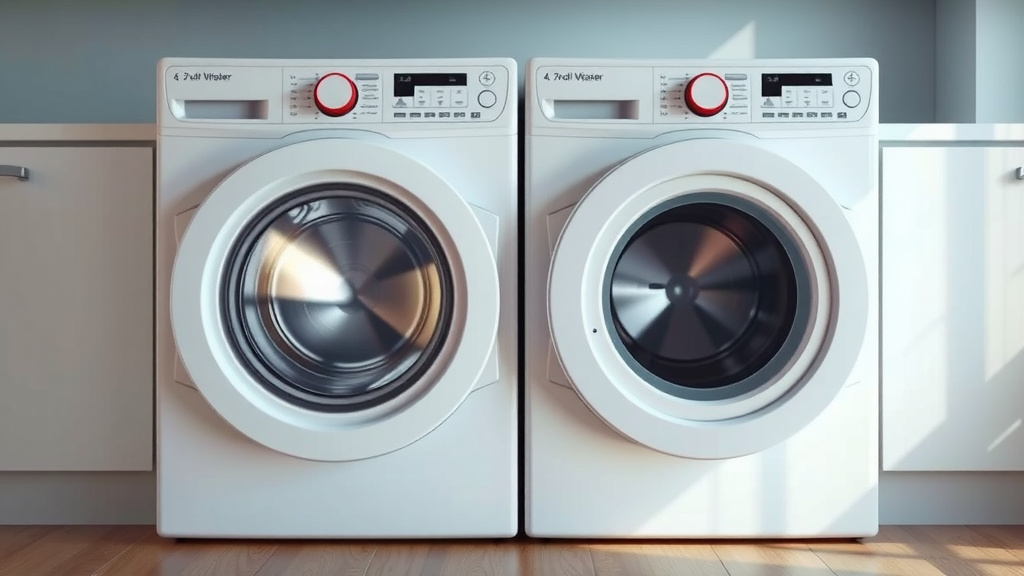
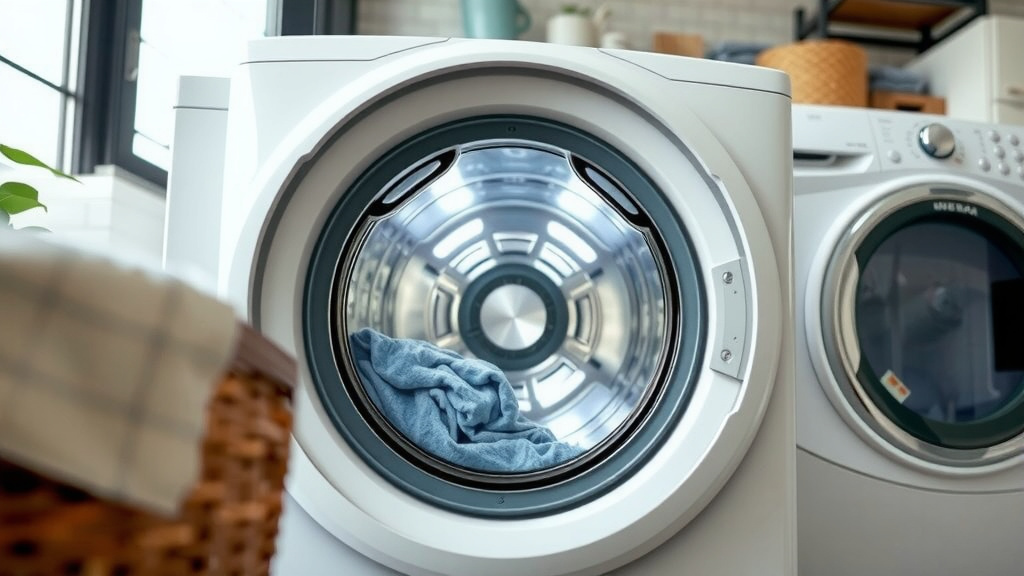
So, you’ve got a front load washer and you’re curious about what’s really happening inside. It’s a pretty clever system. Instead of a central agitator like older top-loaders, your front loader uses a horizontal drum. This drum rotates, tumbling your clothes through a small amount of water. It’s like a gentle hug for your laundry!
The Wash Cycle Explained
Let’s break down the typical wash cycle you’ll experience. It’s a streamlined process designed for efficiency and deep cleaning. You might be surprised at how little water is actually used.
Filling and Adding Detergent
The cycle begins with the machine filling the drum with water. For a front loader, this is a much smaller amount of water than you might be used to. The detergent is released from its dispenser at just the right moment. This ensures it mixes thoroughly with the water before hitting your clothes.
The Tumbling Action: The Heart of the Wash
This is where the magic happens. The drum starts to rotate, lifting your clothes up the side. Then, gravity takes over, and your clothes tumble back down into the water and detergent mixture. This repeated tumbling action is key. It provides the mechanical action needed to loosen dirt and stains. Think of it like scrubbing clothes by hand, but much more efficient and gentle.
Many laundry experts note this tumbling method is gentler. It reduces the friction and stretching that can happen with agitators. This means your clothes can last longer. You’re not just cleaning them; you’re caring for them.
Rinsing Away the Suds
After the wash, the dirty water drains away. The machine then refills with fresh water for the rinse cycles. Your clothes tumble again in this clean water. This helps ensure all the detergent and loosened dirt are thoroughly rinsed out. Most front loaders have multiple rinse cycles. This is to make sure no residue is left behind. You want fresh, clean clothes, not stiff, soapy ones!
The Spin: Getting Rid of Excess Water
The final, and often fastest, part of the cycle is the spin. The drum rotates at a very high speed. Centrifugal force pushes the water out of your clothes and through small holes in the drum. This extracts a significant amount of water. Your clothes come out feeling just damp, not soaking wet. This reduces drying time considerably. Less time in the dryer means more energy saved and less wear on your garments.
Why the Tumbling Method is Superior
You might be wondering if this difference really matters. Research suggests it does! The tumbling action is more effective for several reasons.
Gentle on Fabrics
Older machines often used an agitator. This is the tall post in the middle of some top-load washers. It twists and turns clothes. This can cause snagging and stretching over time. Front loaders, with their tumbling action, lift and drop clothes. This motion is much kinder to delicate fabrics and everyday wear alike. Studies from consumer reports often highlight this benefit.
More Efficient Water Usage
Front load washers are known for their water efficiency. They use significantly less water compared to traditional top-load machines. This is because the drum is only partially filled. The tumbling action ensures all clothes come into contact with the water and detergent. This conserves a precious resource. It’s also better for your utility bills.
Better Cleaning Performance
Despite using less water, front loaders often provide a superior clean. The continuous tumbling action along with gravity helps to work the detergent deep into the fabric fibers. This helps lift out dirt and stains more effectively. Many cleaning experts find this method to be more thorough. Your clothes emerge looking brighter and feeling cleaner.
Energy Savings
The efficiency extends to energy use. Because they use less water, they also require less energy to heat that water. Additionally, the high-speed spin cycle removes more water. This means your dryer runs for a shorter period. This translates to noticeable energy savings over time. It’s a win for your clothes, your wallet, and the environment.
Understanding Your Front Loader’s Features
Beyond the basic wash, your front loader has features designed to make laundry easier and more effective.
Specialized Wash Cycles
Most front loaders come with a variety of cycles. These are tailored to different fabric types and soil levels. You’ll find cycles for delicates, heavy-duty loads, quick washes, and more. Using the correct cycle can optimize cleaning and fabric care. Always check your machine’s manual for specific recommendations.
Temperature Controls
Adjusting the water temperature is important. Hot water is best for sanitizing and removing tough stains from durable fabrics. Warm water is good for moderately soiled items. Cold water is ideal for delicates and lightly soiled clothes. It also saves the most energy. You have the power to choose what’s best for each load.
Spin Speed Options
You can often select different spin speeds. A higher spin speed extracts more water. This is great for items that can handle it, like towels and jeans. A lower spin speed is better for delicate items that might get stretched or damaged. Choosing the right spin speed can impact how dry your clothes are when they come out. It also helps protect your garments.
Key Takeaways for Front Load Washers
To sum up what makes these machines so effective, keep these points in mind:
- The tumbling action is the primary cleaning mechanism.
- They use significantly less water and energy.
- The process is gentler on your clothes, extending their lifespan.
- The high-speed spin cycle reduces drying time.
- Selecting the right cycle and settings is key to optimal results.
It’s amazing how a simple change in design can lead to such improvements in cleaning, efficiency, and fabric care. Your front loader is working hard to keep your clothes looking great!
“`
Conclusion
You now understand how your front load washer uses a clever tumbling action to get your clothes wonderfully clean. This method relies on gravity and rotation, not just soaking. It’s a process that’s both gentle on your fabrics and incredibly efficient with water and energy. By choosing the right cycles and settings, you’re not only extending the life of your favorite garments but also saving money on your utility bills. Keep an eye on your machine’s features and experiment to find the perfect settings for your laundry needs. You’re well on your way to mastering your front loader!
Frequently Asked Questions
Do front load washers use more detergent?
No, front load washers actually use less detergent. Because they use much less water, you need a smaller amount of high-efficiency (HE) detergent to get clothes clean. Using too much can lead to excessive suds, which can impact cleaning performance and even damage your machine.
Why does my front loader smell musty?
A musty smell often comes from detergent residue and moisture trapped in the door seal or drum. After each wash, wipe down the rubber gasket around the door. Always leave the door slightly ajar between loads to allow air circulation. Running a cleaning cycle regularly also helps prevent this odor.
Can I add clothes mid-cycle to a front loader?
Most front load washers do not allow you to add clothes once the cycle has started, especially after it reaches a certain water level or temperature. Some newer models have a small door or a pause function for adding forgotten items early in the wash. Check your specific model’s manual for this capability.
What’s the difference between a front load washer and a high-efficiency (HE) washer?
All front load washers are considered high-efficiency (HE) because of their design. They use less water and energy. Not all HE washers are front loaders; some top-load models are also HE, but they typically use an impeller instead of an agitator and still use more water than a front loader.
How long should a front load washer cycle take?
Wash cycle times can vary widely depending on the model and the selected cycle. A standard wash might take between 50 to 80 minutes. Quick wash cycles can be as short as 15-30 minutes, while heavy-duty or sanitize cycles can last over two hours. More advanced cycles generally take longer to ensure thorough cleaning.