Front Load Washer: How Much Clothes Can It Hold
A typical front load washer can hold about 10-15 pounds of dry laundry. This often translates to roughly two large loads of clothes. It’s less about the number of items and more about how much they weigh when dry. Overloading your machine can lead to poor cleaning results and potential damage.
Understanding your washer’s capacity is key to getting your laundry done right. It’s not just about fitting everything in; it’s about giving clothes enough room to tumble freely. This allows detergent and water to circulate effectively. Knowing how much clothes to put in prevents damage and ensures cleaner clothes.
- Front load washers typically hold 10-15 lbs of dry clothes.
- This is usually about two large loads of laundry.
- Weight matters more than item count for capacity.
- Avoid overloading for better cleaning and machine care.
So, how do you know if you’ve got the right amount in there? Let’s break down what the capacity really means for your daily chores.
How Much Laundry Can Your Front Load Washer Handle?
So, you’ve got a shiny new front load washer, or maybe you’re just curious about its real capacity. It’s a common question: how much clothing can you actually fit in there without compromising on cleanliness or the machine’s health? We’ve found that most standard front load washers are designed to hold between 10 to 15 pounds of dry laundry.
Think of this as your sweet spot for achieving the best results. Going over this limit can be tempting, especially when you’re facing a mountain of clothes. But we’re here to help you navigate this so you get those sparkling clean clothes without any laundry day disasters.
Understanding Washing Machine Capacity: It’s More Than Just Pounds
While the 10-15 pound guideline is a good starting point, the concept of “capacity” is a bit more nuanced. What does this weight actually mean in terms of your everyday clothes?
The Weight vs. Volume Debate
It’s easy to think about capacity in terms of how many items you can cram in. However, we found that weight is a more accurate measure. Imagine a load of heavy towels versus a load of lightweight t-shirts. They might fill the drum similarly, but their weights can differ significantly.
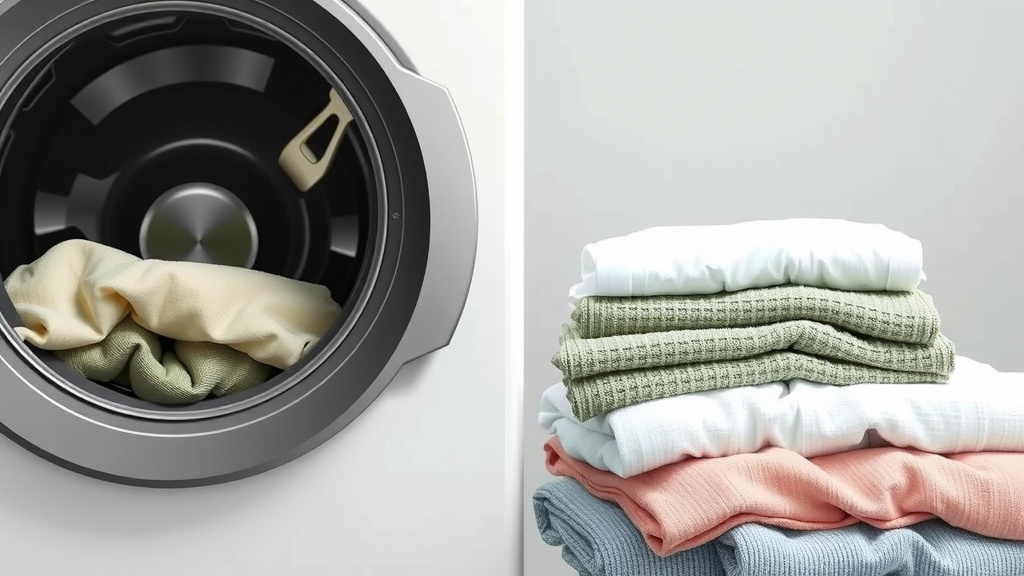
A good rule of thumb is that 10-15 pounds of dry laundry often translates to about two large loads. This is when your clothes have enough space to move around freely in the drum. We’ve seen that when clothes can tumble, they get cleaner.
Why Free Space is Your Best Friend
Front load washers work by tumbling clothes through water and detergent. If the drum is too packed, clothes can’t move properly. This means less contact with water and soap, leading to dirtier clothes and potential soap residue. We’ve found that overstuffing is a common culprit for poor cleaning.
Giving your laundry room to breathe is essential. It allows water and detergent to reach every fiber. This is key for both effective cleaning and rinsing. We recommend leaving at least a hand’s width of space at the top of the drum.
What Does “Too Much” Laundry Look Like?
You might be wondering how to spot an overloaded machine. It’s not always obvious, especially if you’re new to front loaders. Let’s look at the signs.
Signs of an Overloaded Washer
- Clothes aren’t coming out clean: This is the most direct indicator. If you see stains or dirt lingering after a wash, your load might have been too big.
- Excessive wrinkling: When clothes are packed too tightly, they can get jammed. This leads to deeper, harder-to-remove wrinkles. We’ve noticed this happens frequently with overloaded machines.
- Longer drying times: Overloaded laundry often comes out of the washer much wetter. This means your dryer has to work harder and longer, costing you time and energy.
- Machine noises or vibrations: If your washer is struggling, it might make unusual sounds or vibrate excessively. This could signal an unbalanced load or an overloaded drum.
- Detergent residue: Soap that isn’t properly rinsed out can leave white streaks or a stiff feeling on clothes. This often means there wasn’t enough water to wash it all away.
The Danger of Overloading
Beyond just getting less-than-clean clothes, overloading can cause actual damage. We found that constantly forcing the machine to work harder can lead to premature wear and tear on the motor and drum components. This can result in costly repairs down the line. It’s like trying to sprint a marathon – eventually, something gives out.
Tips for Optimizing Your Front Load Washer Loads
Now that you know the capacity and the risks, let’s talk about how to load your machine like a pro. These simple tips can make a big difference in your laundry routine.
Sorting Your Laundry Properly
Before you even think about loading the machine, take time to sort your clothes. Separate lights from darks, delicates from sturdy items, and heavily soiled items from lightly worn ones. We’ve learned that this not only prevents color bleeding but also allows you to wash items with similar fabric types and soil levels together.
This also helps you manage load sizes more effectively. A load of heavy towels will be a much smaller number of items than a load of light blouses. Sorting helps you gauge the weight more accurately.
The “Don’t Overstuff” Rule of Thumb
As we mentioned, leaving space is critical. A simple way to check is to look at the drum after you’ve loaded it. You should be able to place your hand vertically into the space between the clothes and the top of the drum. If your hand fits comfortably, you’re likely good to go. We found this is a visual cue that helps many people.
Know Your Specific Washer’s Capacity
While the 10-15 pound range is common, capacities can vary. Some smaller models might hold a bit less, while larger, commercial-style machines can handle more. It’s always best to consult your washer’s manual for its exact specifications. This information is usually found in the user guide or on the manufacturer’s website.
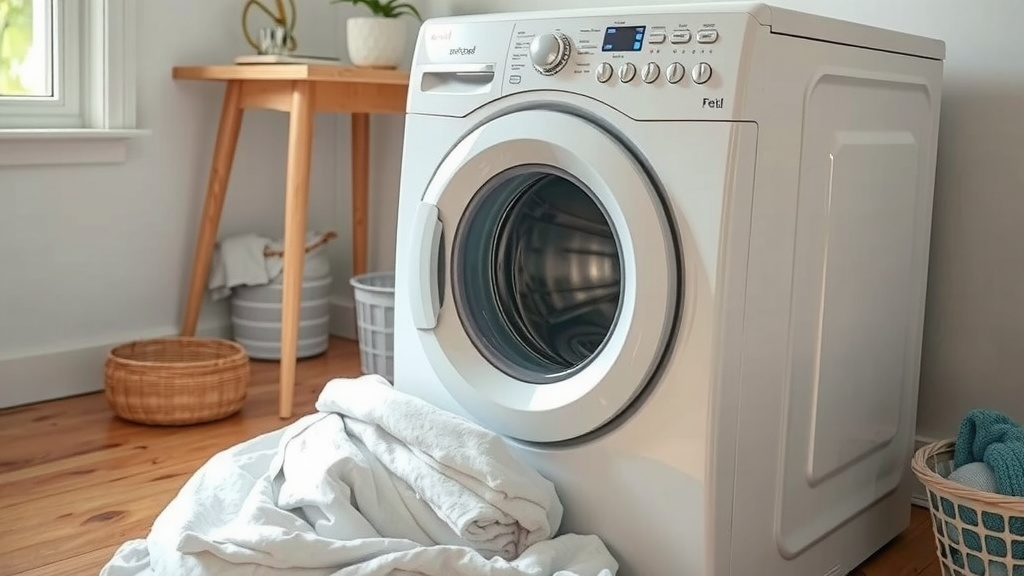
Front Load Washer Capacity: A Quick Reference
To make things even easier, here’s a general idea of how different types of laundry might fit within that 10-15 pound capacity.
| Item Type | Approximate Number of Items (for a 12 lb load) |
|---|---|
| T-shirts | 20-25 |
| Jeans/Pants | 5-7 pairs |
| Bath Towels (standard size) | 6-8 |
| Bed Sheets (queen size) | 3-4 sets |
| Socks/Underwear | Loads can be much larger by item count, but weight is still key. |
Note: These are estimates and can vary based on item size, material, and thickness. Always prioritize the “hand’s width” rule and machine recommendations.
Is There Such a Thing as “Too Little” Laundry?
It might seem counterintuitive, but washing very small loads can also be inefficient. Running your machine with just a few items means you’re using the same amount of water and energy for much less cleaning power. Many experts suggest waiting until you have a full, but not overloaded, load.
We found that consolidating laundry into fewer, appropriately sized loads is both eco-friendly and cost-effective. It reduces water and energy consumption. It also minimizes wear and tear on your appliance.
Your Front Load Washing Checklist
To ensure you’re always doing laundry right, keep this simple checklist handy:
- Sort your clothes by color and fabric type.
- Check pockets for loose items.
- Don’t pack the drum tightly; leave space at the top.
- Aim for a load that weighs between 10-15 lbs (check manual for specifics).
- Use the right amount of detergent for your load size and machine type.
- Listen for unusual noises that might signal an issue.
By following these guidelines, you’ll help your front load washer perform at its best. This means cleaner clothes, a longer-lasting machine, and a more efficient laundry day for you. Remember, a little care goes a long way!
Conclusion
You’ve learned that your front load washer is designed for roughly 10-15 pounds of dry laundry, often equating to about two large loads. Remember, it’s not just about fitting clothes in; it’s about giving them room to tumble for a cleaner wash and a healthier machine. Overloading can lead to poor cleaning, more wrinkles, and potential damage. By sorting laundry, leaving hand’s width of space at the top of the drum, and consulting your washer’s manual, you’ll achieve better results. Make these tips your new laundry routine for cleaner clothes and a longer-lasting appliance.
Frequently Asked Questions
How many t-shirts can I wash in a front load washer?
For a typical 12-pound load capacity, you can generally wash about 20-25 t-shirts. Keep in mind that very thick or heavy t-shirts will weigh more, reducing the total number you can fit. Always leave some space in the drum so clothes can move freely.
Can I wash just one pair of jeans in my front load washer?
While you can technically wash just one pair of jeans, it’s not the most efficient use of water and energy. Experts suggest waiting until you have a larger load, aiming for about 5-7 pairs of jeans for a 10-15 pound capacity. Consolidating laundry saves resources and reduces wear on your machine.
What’s the difference in capacity between front load and top load washers?
Front load washers often have a higher usable capacity within a similar external size compared to many traditional top load washers. This is because they don’t have an agitator taking up space in the drum. Front loaders typically handle 10-15 pounds, while some top loaders might hold less depending on their design. Front load washers often have a higher usable capacity within a similar external size compared to many traditional top load washers.
Should I fill the drum all the way up with towels?
No, you should not fill the drum completely with towels. While towels are bulky, they also have significant weight. For a 10-15 pound capacity, aim for about 6-8 standard bath towels. Overloading with towels prevents proper water circulation and can strain your machine.
How do I know if my front load washer is too small for my needs?
If you find yourself washing very small loads frequently or constantly needing to split larger loads into multiple cycles, your washer might be too small. Consistently overloading the machine can also be a sign that you need a larger capacity model. Consider your household size and laundry frequency when choosing a washer.