High Efficiency Top Load Washer vs Traditional: Which Is Best
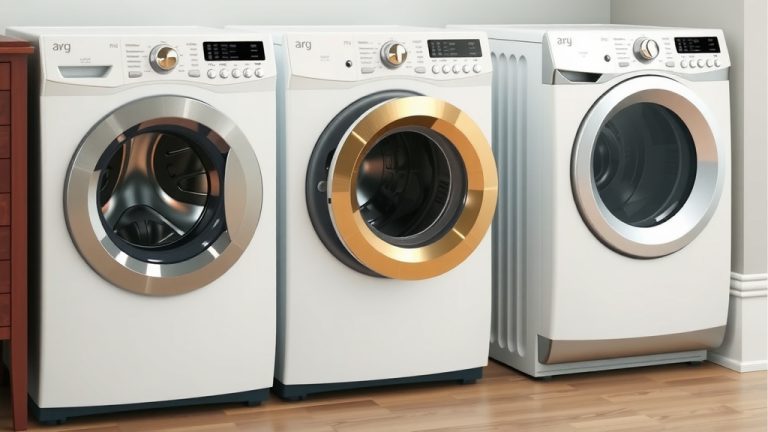
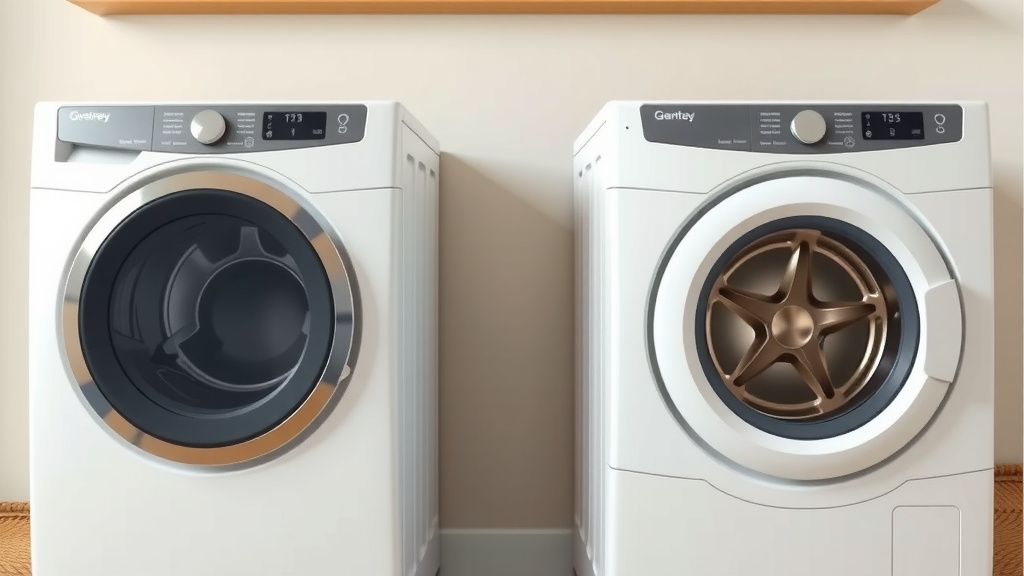
When comparing a high-efficiency top load washer vs. a traditional one, the high-efficiency (HE) model is generally the better choice. HE washers use significantly less water and energy, saving you money on utility bills. They also clean clothes more gently, which can help your garments last longer.
While traditional top-loaders might seem familiar and often have lower upfront costs, their water and energy consumption can be much higher. Research shows that HE models, despite sometimes taking longer cycles, offer a more sustainable and cost-effective way to do laundry in the long run. You might also be surprised by how effectively they handle your laundry needs.
- High-efficiency (HE) top loaders use less water and energy.
- This leads to lower utility bills and is better for the environment.
- Traditional models tend to use more resources, costing more over time.
- HE washers often clean clothes more gently, extending garment life.
Let’s break down the differences between these two types of washing machines so you can make the best decision for your home.
“`htmlComparing Top-Load Washers: HE vs. Traditional Models
When you’re standing in front of a wall of washing machines, the choices can feel overwhelming. You might be wondering about the difference between a high-efficiency (HE) top-loader and a traditional one. We’ve found that HE models are designed to be gentler on your clothes and your wallet. They use less water and energy. This can lead to lower utility bills over time. Let’s get into the nitty-gritty of what sets them apart.
Water and Energy Consumption: The Big Difference
One of the most noticeable differences is how much water each type of washer uses. Traditional top-loaders often fill the entire tub with water. Think of it like a mini swimming pool for your clothes! HE top-loaders, on the other hand, use much less. They often use an impeller or agitator to move clothes through a small amount of water.
How HE Washers Save Water
Research indicates HE models can use up to 50% less water than older, traditional machines. This is a huge saving! Less water means less energy is needed to heat that water. This translates directly into lower energy bills each month. Many government energy programs encourage the use of HE appliances for this very reason.
Energy Use: Beyond Just Water
It’s not just about water heating. HE washers are designed to be more energy-efficient overall. Their motors and control systems use less electricity. We found that the energy savings can add up considerably over the lifespan of the appliance. This makes them a more sustainable choice for your home.
Cleaning Performance: What You Can Expect
You might be asking, “Does using less water mean they don’t clean as well?” That’s a common concern. For years, traditional washers were the standard. But technology has advanced!
The Role of the Agitator vs. Impeller
Traditional top-loaders almost always have a central agitator. This is that tall post in the middle of the drum. It twists and turns clothes. This action is effective but can be tough on fabrics. Many HE models use an impeller instead. This is a low-profile cone or disc at the bottom of the drum. It spins clothes around each other and through the water. This method is generally more gentle on your clothes.
Are HE Washers Tough on Stains?
We found that modern HE washers are very capable of removing stains. While they use less water, the improved wash action and specialized detergent dispensers often compensate. Many HE machines also offer different cycles for tougher stains. The key is often using the correct HE detergent. These detergents are formulated to work with less water and create fewer suds.
A quick note on detergent: You must use HE detergent in an HE machine. Regular detergent creates too many suds. This can lead to poor rinsing and even damage your machine. It’s like trying to use dish soap in your car’s engine – just not the right tool for the job!
Capacity and Load Size Considerations
When you’re doing laundry, load size matters. Both HE and traditional models come in various capacities.
Drum Size and What Fits
HE top-loaders, even those with an agitator, often have larger drum capacities. Because they don’t need to fill the entire tub with water, the usable space for clothes is often greater. You might be able to wash larger loads or bulkier items like comforters more easily. Traditional machines can sometimes feel more restrictive with very large items.
Dealing with Large Items
If you frequently wash bulky bedding or large blankets, an HE model with a large capacity might be your best bet. We found that some HE machines are specifically designed to accommodate these items without compromising wash performance. This can save you trips to the laundromat!
Cost: Upfront vs. Long-Term Savings
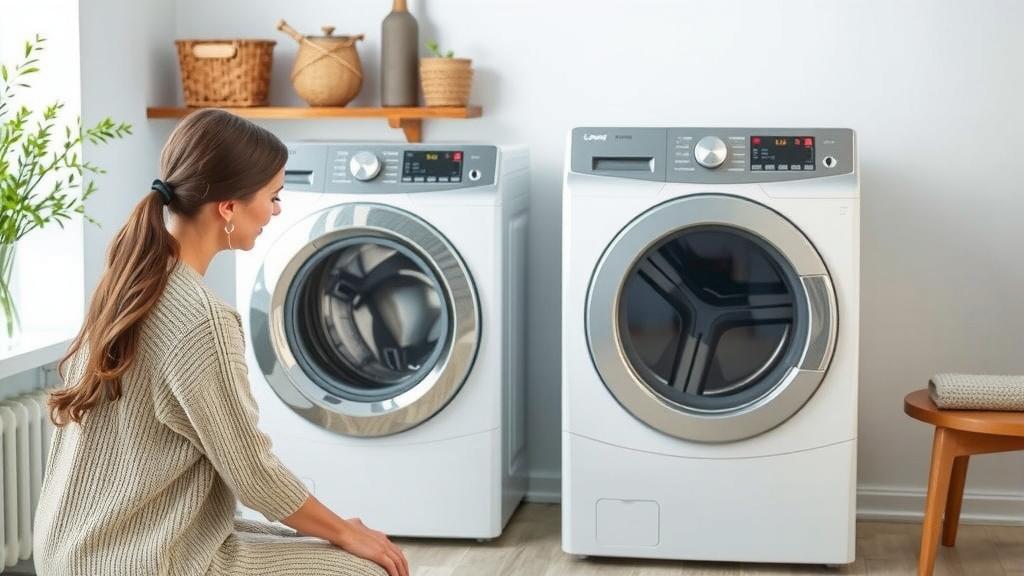
Let’s talk about the money. There are two main cost factors: the purchase price and ongoing expenses.
Initial Purchase Price
Generally speaking, traditional top-load washers often have a lower upfront cost. They are simpler machines. HE models, with their more advanced technology and energy-saving features, tend to be a bit more expensive when you first buy them. However, prices have come down significantly as HE technology has become more common.
Long-Term Utility Costs
This is where HE washers really shine. While the initial investment might be higher, the savings on your water and energy bills over the years can easily offset the difference. Many energy calculators show that an HE washer can save you hundreds of dollars in utility costs over its lifespan. It’s like buying a slightly more expensive, fuel-efficient car – you save money at the pump!
Maintenance and Lifespan
Both types of washers require some basic maintenance. How long do they typically last?
Keeping Your Washer in Top Shape
Regardless of the type, it’s good practice to clean your washer regularly. For HE models, keeping the detergent dispenser clean is important. You might also want to run an occasional cleaning cycle. For traditional washers, ensuring the agitator is free of debris is key. We found that proper use and occasional cleaning can extend the life of any washing machine.
Expected Lifespan
The lifespan of a washing machine can vary greatly. However, many sources suggest that both HE and traditional models can last around 10 to 13 years with proper care. Some high-quality models can last even longer. The technology in HE machines is generally reliable, and they are built to last.
Making Your Choice: A Quick Checklist
Here’s a quick way to decide which type might be right for you:
- Do you want to save money on water and energy bills? HE is your winner.
- Do you wash bulky items often? Look for a large-capacity HE model.
- Are you concerned about fabric wear? HE machines are generally gentler.
- Is your budget very tight upfront? A traditional model might be more affordable initially.
- Do you want the most environmentally friendly option? HE machines are the clear choice.
- Are you okay with using a specific type of detergent? HE requires HE detergent.
Ultimately, the decision between a high-efficiency and a traditional top-load washer depends on your priorities. For most people, the long-term savings and environmental benefits of an HE model make it the superior choice. You’ll likely find them to be efficient and effective for all your laundry needs.
“`Conclusion
We’ve seen that high-efficiency (HE) top-load washers generally outshine traditional models. You’ll enjoy lower utility bills thanks to their reduced water and energy use. Your clothes will also thank you for the gentler cleaning action. While the upfront cost might be slightly higher, the long-term savings are substantial. Consider an HE model if you’re looking for a more sustainable and cost-effective laundry solution. Ready to make the switch? Your next step is to compare HE top-loader models based on your specific capacity needs and budget.
Frequently Asked Questions
Do HE top-load washers really clean as well as traditional ones?
Yes, modern HE top-load washers clean very effectively. They use different wash actions, like impellers, to move clothes gently through less water. Research shows they are capable of removing stains, especially when paired with the correct HE detergent.
Can I use regular detergent in a high-efficiency top-load washer?
Absolutely not. You must use HE detergent in a high-efficiency machine. Regular detergents create too many suds, which can prevent proper rinsing and potentially damage your washer. Always look for the “HE” symbol on the detergent label.
Are HE top-loaders noisy compared to traditional ones?
Noise levels can vary by model and brand for both types of washers. However, some HE models, especially those with high spin speeds to extract more water, might produce more noise during the spin cycle. We found that many newer HE models incorporate noise-reduction technology.
How do I know if my current top-loader is HE or traditional?
The easiest way to tell is by looking inside the drum. Traditional top-loaders usually have a tall, central agitator post. HE top-loaders either have no agitator at all or a low-profile one, often called an impeller, at the bottom.
What’s the typical lifespan of an HE top-load washer?
With proper maintenance and care, HE top-load washers typically last between 10 to 13 years. This is comparable to traditional models. Regular cleaning and using the correct detergent will help ensure your HE washer has a long service life.