Front Load Washer Cleaning: How It Works With Less Water
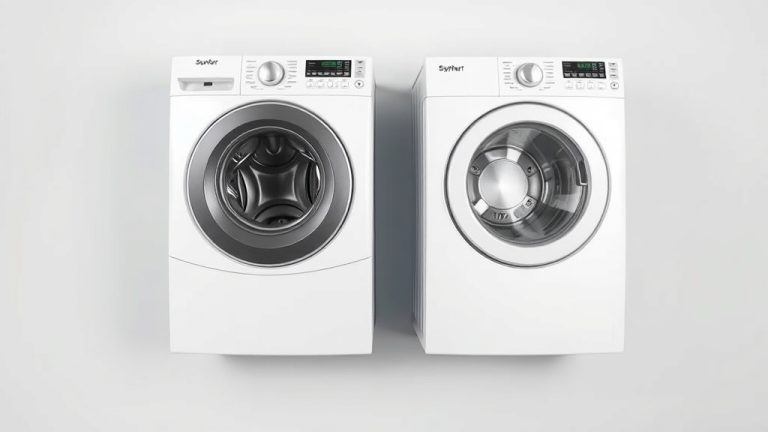
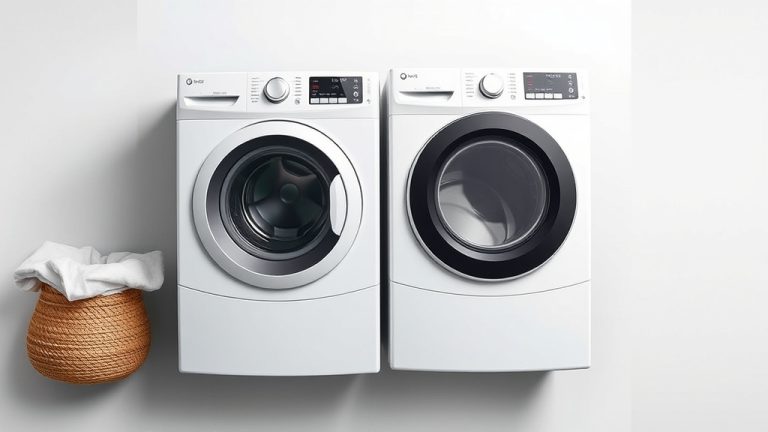
Front load washers clean effectively with minimal water by using a tumbling action that lifts clothes out of a small pool of water. This action allows detergent to penetrate fabrics more deeply. The machine then rinses clothes by spraying clean water over them as they tumble. This innovative design makes them highly efficient.
This method uses significantly less water than traditional top loaders. It means you save on water bills and are kinder to the environment. Many studies and user reports confirm their superior cleaning performance. You might be surprised at how well they work with so little water.
- Clothes tumble into a small pool of water.
- A lifting action helps detergent soak in.
- Rinsing happens with sprayed water during tumbling.
- This uses much less water than older models.
- It’s great for your wallet and the planet!
Ready to understand the magic behind your sleek front loader? Let’s walk through exactly how this water-saving technology gets your clothes sparkling clean.
Understanding Your Front Loader’s Cleaning Power
You might be wondering how your front load washer gets clothes clean without swishing them around in a massive tub of water. It’s a brilliant design that relies on a few clever mechanical and physical principles. Instead of relying on a large volume of water to float clothes, it uses gravity and motion. This method is surprisingly effective.
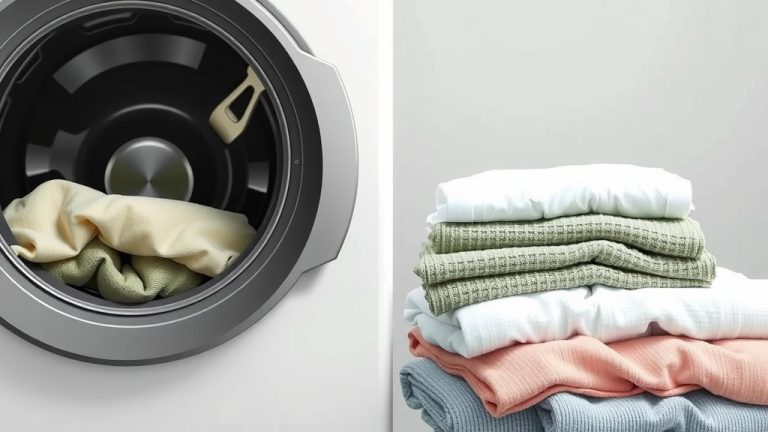
The secret lies in the tumbling action. Your machine creates a much smaller pool of water at the bottom of the drum. As the drum rotates, your clothes are lifted up. They then fall back down into this water. This repeated lifting and dropping motion is what does the heavy lifting for cleaning.
The Tumbling Technique: How it Works
Think of it like a mini-workout for your laundry. The clothes are tossed and turned. This action forces detergent and water into the fabric fibers. It’s a much more direct way to get dirt out than simply letting clothes soak.
Here’s a breakdown of the cleaning process:
- The drum fills with just enough water to cover the bottom.
- As the drum spins, clothes are carried upwards by baffles (those ridges inside).
- Gravity pulls them back down, creating a tumbling effect.
- This movement helps loosen dirt and stains from the fabric.
Water Efficiency: A Smarter Way to Wash
This low-water method offers several benefits. You’ll notice a difference in your utility bills. Less water used means lower water and energy costs. Heating less water also contributes to energy savings.
Many studies have shown these savings. For instance, research indicates that front loaders can use 40-50% less water than traditional top-loading machines (Energy Star). This is a substantial amount of water saved over time.
Detergent’s Role in Low-Water Washing
Front loaders work best with High-Efficiency (HE) detergents. These are specially formulated to create fewer suds. Too many suds can actually hinder the cleaning process in a low-water environment.
The tumbling action, combined with HE detergent, ensures that the detergent penetrates deeply into the fabric. It works to lift away soil and grime effectively. You get a thorough clean without needing a large amount of water to rinse away excess soap.
Choosing the Right Detergent
Always look for the HE symbol on your detergent. Using regular detergent can cause excessive suds. This can lead to poor rinsing and potentially damage your machine over time. It’s a small detail that makes a big difference.
The Rinse Cycle: Getting Clothes Truly Clean
After the wash, your front loader needs to rinse out that detergent. This is where the spray system comes into play. Instead of filling the drum completely to soak clothes, the machine sprays clean water onto the tumbling load.
This is another area where water is saved. The spray is targeted. It effectively removes detergent residue without needing a full tub of water. Clothes continue to tumble as they are sprayed. This ensures all areas of the load get rinsed.
How the Spray Rinse Works
Clean water is pumped from the supply line. It’s then directed through spray nozzles inside the drum. These nozzles mist or spray the water over your clothes as they rotate. This method is very efficient.
Consider it like washing a car with a hose versus filling a bucket. The hose allows for targeted rinsing. It uses less water overall. Your front loader employs a similar principle for its rinse cycle.
Comparing Water Usage: Front Load vs. Top Load
To really appreciate the efficiency, let’s look at a comparison. Traditional top-loading machines often fill the entire drum with water. This can be anywhere from 20 to 40 gallons per load. Your front loader might only use 10 to 15 gallons for a similar load.
| Washer Type | Typical Water Usage (per load) | Water Savings |
|---|---|---|
| Traditional Top Load | 20-40 gallons | N/A |
| Front Load | 10-15 gallons | Up to 50% less |
This table highlights a clear difference. You’re using a fraction of the water with a front loader. This efficiency is a key reason for their popularity.
Environmental and Financial Perks
Saving water isn’t just good for your wallet; it’s good for the planet. Reducing water consumption helps conserve a vital resource. Many regions face water scarcity. Choosing an efficient appliance helps in conservation efforts.
The reduced energy needed to heat water also lowers your carbon footprint. It’s a win-win situation. You get cleaner clothes and contribute to a healthier environment.
Tips for Maximizing Your Front Loader’s Performance
To ensure your front loader continues to perform at its best, keep these tips in mind:
- Use HE detergent: This is non-negotiable for optimal cleaning and machine health.
- Don’t overload the drum: Clothes need space to tumble freely.
- Clean the door seal regularly: This prevents mold and mildew buildup.
- Run a cleaning cycle: Many machines have a self-clean feature to keep the drum fresh.
- Check the filter: Ensure it’s clear for proper draining and water flow.
- Select the right cycle: Match the cycle to your fabric type and soil level.
By following these simple guidelines, you can ensure your front loader provides excellent cleaning results for years to come. You’ll continue to enjoy the benefits of water and energy savings.
Conclusion
You now understand how your front load washer achieves a deep clean with minimal water. It’s all thanks to the efficient tumbling action and targeted spray rinsing. This method lifts dirt effectively and uses less water than older machines. You’re not just getting sparkling clothes; you’re saving money on utilities and helping the environment. Ready to experience this smart cleaning power? Start by ensuring you’re using the right HE detergent for optimal results with every wash.
Frequently Asked Questions
Does the tumbling action actually get clothes clean without much water?
Yes, the tumbling action is designed for effective cleaning. Clothes lift and fall into a small water pool, allowing detergent to penetrate fibers deeply. This consistent motion helps loosen and remove dirt and stains efficiently.
How can a front loader use 40-50% less water and still rinse well?
Front loaders use less water because they don’t need to fill the entire tub. The spray rinse system directly targets clothes as they tumble, removing detergent residue effectively. This targeted approach uses far less water than a full soak.
What happens if I accidentally use regular detergent in my front loader?
Using regular detergent can create too many suds in a low-water environment. This can prevent proper rinsing and might leave residue on your clothes. Excessive suds can also potentially damage your washing machine over time.
Can I wash bulky items like comforters in a front load washer?
Yes, front load washers can often handle bulky items well. The tumbling action helps them move freely, allowing for better cleaning and rinsing compared to some top-loaders where bulky items can get packed. Just ensure you don’t overload the machine.
How often should I clean the door seal on my front load washer?
You should check and wipe down the door seal regularly, perhaps after each wash day. This prevents moisture buildup, which can lead to mold or mildew. Keeping it clean ensures a fresh wash and helps maintain your machine.