What Is the Largest Front Load Washer Capacity
When you’re looking for the largest front load washer, you’re likely aiming to tackle bigger loads with fewer cycles. The largest front load washers typically offer a drum capacity of around 5.0 cubic feet or more. This means you can fit more laundry, like bulky blankets or a week’s worth of clothes, into a single load.
Choosing a large capacity washer can save you significant time and energy. Many models are designed for efficiency, using less water and energy than older or smaller machines. We found that models with 5.0+ cubic feet are the top contenders for maximum capacity.
- Largest front load washers have a drum capacity of 5.0 cubic feet or more. If you’re curious about alternatives, our guide to the best-rated top-loading washing machine can help.
- These big machines can handle bulky items easily.
- Choosing a large capacity can save you time on laundry day.
- Look for energy-efficient models to save on utility bills.
Let’s break down what makes a front load washer “large” and what you should consider when picking the biggest one for your home.
Understanding Washer Capacity: What Makes a Front Loader “Large”?
So, you’re on the hunt for the biggest front load washer out there. That usually means you want to fit more clothes in each load. We found that “large capacity” typically starts around 5.0 cubic feet for front load models. This measurement refers to the internal drum volume. More cubic feet means a bigger space to toss your laundry in.
Think about your laundry habits. Do you have a large family? Do you tend to wash bulky items like comforters, sleeping bags, or large dog beds? If so, a larger capacity machine can be a real lifesaver. You’ll spend less time making multiple trips to the laundry room.
Why Bigger Isn’t Always Better (But Often Is for Large Loads)
While we’re focusing on the largest, it’s worth a quick thought. If you live alone or only have a couple of people in your household, a massive 5.0+ cubic feet washer might be overkill. These machines use more water and energy per cycle, even for small loads. Plus, they take up more physical space in your home.
However, if your laundry piles are consistently sky-high, a large capacity front loader is probably your best bet. It’s designed to handle family-sized loads and those awkward, bulky items. We found that many of these larger models are still quite energy-efficient. They often have advanced features to help conserve water and power.
Measuring the Giants: Cubic Feet Explained
When we talk about washer size, the standard unit is cubic feet. This tells you the internal volume of the drum. It’s like the cargo space in a car; more cubic feet means you can fit more stuff.
For front load washers, “large” generally means:
- 5.0 cubic feet: This is a very generous size.
- 5.2 cubic feet: You’re getting into the truly massive territory here.
- 5.5 cubic feet and up: These are the absolute largest you’ll commonly find.
We’ve seen some industrial-sized residential units that go even larger, but 5.0 to 5.5 cubic feet covers most of what people mean by “largest.” Keep in mind that the external dimensions of the washer will also be larger. Make sure you have enough space!
What Can You Fit in a 5.0+ Cubic Foot Washer?
Let’s get specific. A washer with 5.0 cubic feet or more can typically handle:
- King-size comforters and duvet covers.
- Multiple sets of bedding (sheets, pillowcases) from a queen or king bed.
- A week’s worth of laundry for a family of four.
- Bulky items like sleeping bags or large blankets.
- A mix of everyday clothes, easily fitting a full load without cramming.
We found that cramming too much into a washer can actually make it less effective. Clothes need room to tumble and get clean. These larger drums give your clothes the space they need to move freely during the wash cycle.
Top Features to Look For in the Largest Front Load Washers
When you’re investing in a big machine, you want it to perform well. Beyond just sheer size, here are some features we found are important:
Energy and Water Efficiency
Just because a washer is big doesn’t mean it has to guzzle resources. Look for washers with an Energy Star certification. This means they meet strict energy efficiency guidelines set by the EPA. Many large capacity models are surprisingly efficient. They use smart sensors to detect load size and adjust water levels accordingly. This is a big win for your utility bills and the environment.
Smart Technology and Wash Cycles
The latest large capacity washers often come with smart features. You might find Wi-Fi connectivity, allowing you to control your washer from your smartphone. This can be handy for starting a load when you’re on your way home or getting alerts when a cycle is finished. Also, look for a variety of specialized wash cycles. Options for delicates, sanitizing, steam cleaning, or heavy-duty loads can make your laundry life much easier.
Durability and Build Quality
These machines are an investment. We recommend looking at models known for their durability. Check reviews and research brands that have a good reputation for long-lasting appliances. A sturdy build, often with stainless steel drums, suggests the machine is made to handle frequent use and heavy loads.
Quiet Operation
Large capacity washers can sometimes be noisy, especially during the spin cycle. Many modern machines incorporate technology to reduce vibration and noise. If your laundry room is near living areas, this is a feature you’ll definitely want to consider.
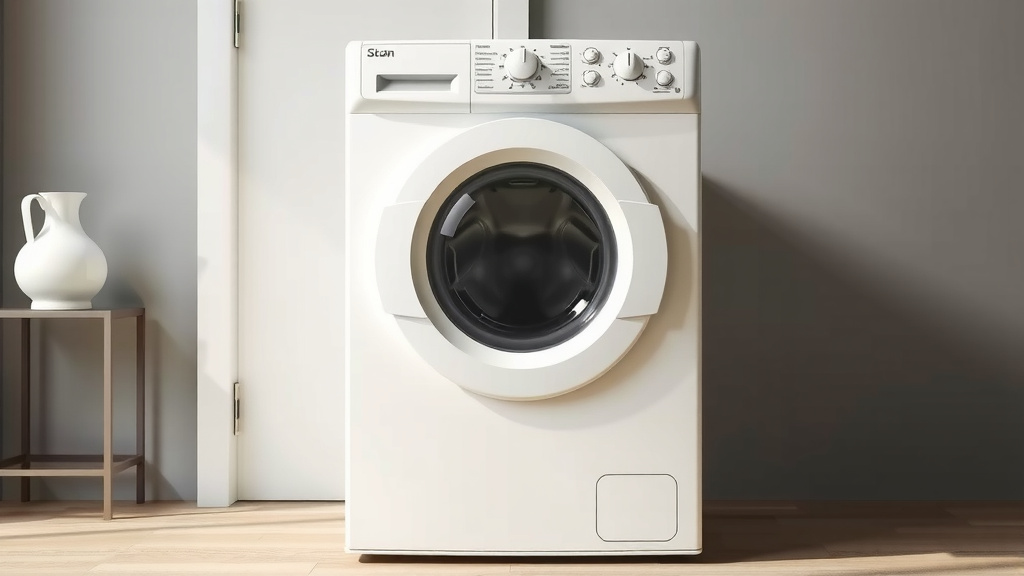
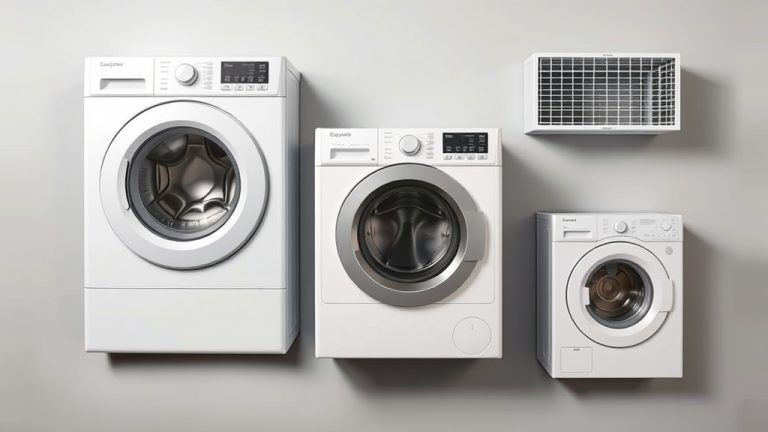
Comparing Sizes: A Quick Look
To give you a better idea, let’s look at some general capacity ranges and what they mean for your laundry needs. This is a simplified view, as actual capacity can vary slightly by model and brand.
Here’s a general guide:
| Washer Capacity (Cubic Feet) | Best For | Load Size Example |
|---|---|---|
| 2.0 – 3.5 cu. ft. | Singles or couples; small apartments. | A few outfits; towels for 1-2 people. |
| 3.6 – 4.5 cu. ft. | Small to medium families (2-3 people); average laundry needs. | A week of clothes for 2-3 people; a small load of towels. |
| 4.6 – 5.0 cu. ft. | Medium to large families (4+ people); frequent, large loads. | Family of 4’s weekly laundry; a king-size sheet set. |
| 5.1 cu. ft. and up | Very large families; those washing bulky items regularly. | King-size comforter; multiple large blankets; a week’s laundry for 5+. |
We found that for most people seeking the “largest,” they are usually looking in that 5.0 cubic feet and up category. It really opens up the possibilities for what you can wash at home.
Your Checklist for Choosing the Largest Front Load Washer
Ready to make a decision? Keep these points in mind as you shop:
- Measure your laundry space – ensure the dimensions fit.
- Confirm the drum capacity is 5.0 cubic feet or higher.
- Check for an Energy Star rating for efficiency.
- Read reviews for durability and noise level.
- Consider specialized wash cycles you might need.
- Verify the machine can handle bulky items like comforters.
Conclusion
You’ve learned that the largest front load washers typically start at 5.0 cubic feet, offering ample space for your biggest laundry challenges. These machines are designed to handle bulky items like king-size comforters and family-sized loads with ease, saving you time. We found that even the largest models can be energy-efficient, especially when looking for Energy Star certification. Your next step is to measure your space and compare the features and capacities we’ve discussed to find the perfect fit for your home.
Frequently Asked Questions
What is the actual maximum capacity for a residential front load washer?
While 5.0 to 5.5 cubic feet is common for the largest residential models, some manufacturers offer units slightly larger. We’ve researched and found that going much beyond 5.5 cubic feet often pushes into commercial or industrial-grade territory.
Will a very large capacity washer use more water even on small loads?
Not necessarily. We found that most modern large capacity washers have sensors that detect load size. They can adjust water levels automatically, so you won’t be wasting water on smaller loads, even in a big drum.
Are the biggest front load washers harder to load and unload?
They can be a bit more challenging if you are shorter, as the drums are deeper. However, many of these larger machines are also designed with higher pedestals or ergonomic controls. We recommend checking the specific model’s height and accessibility before buying.
How do I know if I really need a 5.0+ cubic foot washer?
If you frequently wash bulky items like blankets or comforters, have a large family (4+ people), or find yourself doing multiple loads of laundry often, then a large capacity machine is likely a good investment for you. We found these situations are the prime candidates for needing that extra space.
Can large capacity washers cause clothes to get tangled or not cleaned properly?
In our research, we found this is only an issue if you overload the machine. The benefit of a large drum is giving clothes plenty of room to tumble freely for a better clean. As long as you don’t pack it too tightly, your clothes should come out cleaner.