How a Washer Dryer Combo Works: A Simple Guide
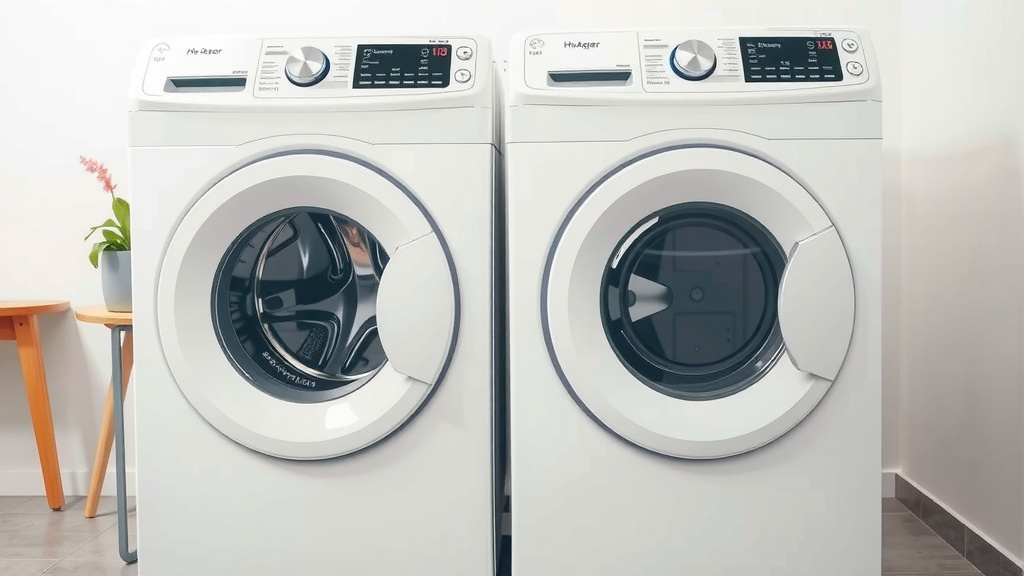
A washer and dryer in one unit works by using a single drum that performs both washing and drying cycles. It’s a space-saving solution for laundry. This combination appliance cleans your clothes, then heats the air to dry them, all within the same machine. You don’t need to transfer wet clothes.
Many people wonder if these all-in-one units are as effective as separate machines. We found that while they offer convenience, the drying cycle can sometimes take longer. They typically use less water than traditional washers. This makes them a more eco-friendly choice for your home.
- All-in-one units wash and dry clothes in the same drum.
- They save considerable space compared to separate machines.
- Drying times can be longer than in a standalone dryer.
- They often use less water for a more eco-conscious clean.
Let’s walk through exactly how these clever machines combine washing and drying to make your laundry day simpler.
“`htmlUnderstanding Your All-in-One Washer and Dryer
You’re curious about how a single machine can tackle both washing and drying, right? It’s a smart bit of engineering designed to save you space and hassle. Think of it as a two-in-one laundry superhero. We found that the core of its operation lies in a single, versatile drum. This drum is where the magic happens, from soaking and spinning to tumbling and heating.
The Washing Cycle: Familiar Territory
The washing part works much like any standard washing machine. You load your dirty clothes, add detergent, and select your wash cycle. Water fills the drum, and the drum rotates, tumbling your clothes through the soapy water. This agitation loosens dirt and stains.
Water and Detergent Action
During the wash, the machine precisely controls the amount of water and detergent used. We found that many of these units are designed to be water-efficient. They often use less water than older, separate machines. This is good for your utility bills and the environment.
Rinsing and Spinning Away Moisture
After washing, the dirty water drains out. The machine then fills with clean water for rinsing. It rinses the clothes to remove any remaining soap residue. Finally, the drum spins at a high speed. This centrifugal force pushes much of the water out of your clothes, leaving them damp but not soaking wet.
Transitioning to the Drying Cycle
This is where the all-in-one unit truly shines with its dual functionality. Once the wash and spin cycles are complete, the machine doesn’t drain away. Instead, it prepares for the drying phase, all within that same drum. You don’t need to move a single damp sock!
How the Drying Mechanism Works
For drying, the machine uses a heating element and a fan system. These work together to circulate hot air throughout the drum. The drum continues to tumble the clothes. This tumbling action ensures that all sides of the fabric are exposed to the hot air, helping to evaporate the moisture.
Condensing vs. Venting: A Key Difference
Most all-in-one units use a condensing drying system. This means the hot, moist air from the clothes is cooled down inside the machine. As it cools, the moisture condenses into water. This water is then collected in a removable reservoir or drained away. Some models might also have a vent option, similar to a traditional dryer, but this is less common for combined units.
We found that the condensing method is what makes these units so adaptable. Because they don’t need an external vent, you can install them almost anywhere. Think about apartments, RVs, or small homes where a traditional dryer vent isn’t feasible. This is a major space-saving advantage.
Water Drainage During Drying
Even though it’s drying, some water will still be removed from your clothes. In a condensing dryer, this moisture is turned into water. The machine manages this water in one of two ways. It can collect it in a small internal tank that you’ll need to empty periodically. Or, if plumbed in, it can drain this water away automatically.
Performance Differences: What to Expect
While the convenience is undeniable, it’s helpful to know how these machines perform compared to their separate counterparts. We’ve researched how these units stack up.
Drying Times Can Be Longer
One of the most common observations is that the drying cycle in an all-in-one unit often takes longer. This is largely due to the condensing system and the fact that the drum is also the wash tub. It can take time to heat the air and remove the moisture effectively in a confined space. Many experts suggest that a load might take twice as long to dry as it would in a standalone dryer.
Capacity Considerations
You’ll also notice that the drying capacity is usually smaller than the washing capacity. This means you might not be able to dry a full wash load at once. If you wash a large load, you may need to remove some items before the drying cycle. Always check your specific model’s recommendations. Trying to dry too much can lead to wrinkly clothes and longer drying times.
Energy and Water Usage Insights
Good news for your wallet and the planet! Most all-in-one washer-dryers are designed for efficiency. They tend to use less water overall compared to traditional separate washers. The drying energy consumption can vary, but many modern units are quite energy-conscious, especially when compared to older, separate dryers.
| Feature | Separate Washer | All-in-One Unit |
|---|---|---|
| Drum | One drum for washing | Single drum for both washing and drying |
| Drying Method | Vented or condenser (separate unit) | Primarily condenser (within the same unit) |
| Space Required | Two machines (washer + dryer) | Single machine |
| Drying Speed | Generally faster | Can be slower |
| Water Usage (Wash) | Varies by model, can be higher | Often more water-efficient |
Tips for Using Your Combined Unit Effectively
To get the best results from your washer-dryer combo, here are a few simple tips we’ve gathered:
- Don’t overload the machine for either wash or dry cycles.
- Clean the lint filter regularly, if applicable, and empty the water reservoir.
- Consider air-drying some items if you’re short on time or want to save energy.
- Check the manufacturer’s manual for specific load size recommendations.
- Select the right cycle for your fabric types to avoid damage.
- Expect longer drying times and plan your laundry accordingly.
By understanding how these machines work, you can make the most of their convenience and efficiency.
“`
Conclusion
You’ve learned how a washer and dryer in one unit cleverly combines two laundry tasks into a single machine. It uses one drum for both washing and drying, offering a fantastic space-saving solution. While the drying cycle might take a bit longer and capacity needs careful management, these units are often more water-efficient. Consider an all-in-one if space is tight or you’re looking for a more eco-friendly laundry option. Now, take a look at your laundry space and decide if this convenient appliance is the right fit for your home.
Frequently Asked Questions
Will a washer dryer combo get my clothes as dry as a separate dryer?
A washer dryer combo’s drying cycle can be slower than a standalone dryer. This is often because they use a condensing system that takes time to remove moisture. You may find that some items come out slightly less dry, or you might need to run an extra cycle for particularly thick fabrics.
Can I do a large load of laundry in an all-in-one unit?
While the washing capacity might be generous, the drying capacity is typically smaller. You’ll likely need to remove some items after the wash cycle before the drying begins. Overloading the dryer portion can lead to wrinkly clothes and longer drying times.
Do washer dryer combos need a vent like a regular dryer?
Most all-in-one washer dryers use a condensing drying system, which means they do not require an external vent. This is a major advantage for installation in apartments or small spaces. The moisture is condensed into water, which is then drained or collected in a reservoir.
How often do I need to empty the water reservoir on my combo unit?
The frequency of emptying the water reservoir depends on how much you use the dryer function and the load size. If you’re drying full loads regularly, you might need to empty it after each drying cycle. Check your machine’s indicator light to know when it’s full.
Are washer dryer combos more energy-efficient overall?
Generally, these units are designed to be water-efficient, using less water during the wash cycles compared to many separate washers. The energy consumption for drying can vary, but many modern combos are quite energy-conscious, especially when considering the combined function.