How Full Can You Fill a Top Loading Washer?
You can fill a top-loading washer until the clothes are about two-thirds full, or so the water level is just above the fabric. Overfilling can cause poor cleaning and damage to your machine. It’s better to err on the side of caution to ensure optimal washing performance.
Many people wonder if packing their washing machine full saves time or water. While it might seem efficient, research shows that an overloaded washer can struggle to rinse properly. This can leave your clothes with detergent residue. It may also put unnecessary strain on the motor and drum, leading to premature wear and tear on your appliance. A loosely packed load ensures everything gets a good clean and rinse.
- Don’t stuff your washer more than two-thirds full.
- Water should just cover the clothes.
- Overfilling leads to poor rinsing and can damage your machine.
- A loosely packed load cleans and rinses better.
Let’s walk through exactly how to get the best results without overloading your machine, ensuring your clothes come out clean and your washer stays happy.
“`htmlMaximizing Your Top-Loading Washer’s Capacity
You’re probably wondering just how much laundry you can stuff into your top-loading washing machine. It’s a common question, and the answer isn’t as simple as a number. Getting it right means cleaner clothes and a happier washing machine. Let’s dive into how to load it perfectly for the best results.
Understanding Your Washer’s Load Size Settings
Most top-loading washers come with load size settings. These usually include options like Small, Medium, Large, or Extra Large. Some newer models might even have automatic load sensing. These settings are your first clue. They aren’t just suggestions; they’re calibrated to ensure your clothes get enough water and room to move. Not using them or ignoring them can lead to problems.
How Water Level Relates to Load Size
The water level is critical. For a top-loader, the water needs to circulate freely around your garments. If you can’t see much water, or if the clothes are packed so tightly they seem to absorb all the water, you’ve likely overloaded it. We found that when clothes are submerged but still have space to tumble, that’s the sweet spot.
The “Two-Thirds Full” Rule of Thumb
A widely accepted guideline is to fill your top-loading washer no more than two-thirds full. This leaves ample room for water to enter and distribute. It also allows clothes to agitate and rinse effectively. Imagine a bustling dance floor; everyone needs space to move. Your clothes are no different!
Why Overfilling Is a Big No-No
When you cram too much into the machine, several things go wrong. Clothes can’t move freely, which means the detergent doesn’t reach all the fabric surfaces. This results in uneven cleaning. You might end up with spots that are still dirty or have stubborn stains.
Impact on Rinsing Performance
Overloading significantly hinders the rinsing cycle. The excess fabric prevents water from flushing away all the detergent. This can leave your clothes feeling stiff or looking dingy. Residue buildup can also attract more dirt over time. It’s like trying to rinse a sponge that’s packed with too much soap – it just doesn’t work well (Ohio State University Extension).
Strain on Your Washing Machine
A heavily overloaded washer puts immense strain on its motor and drum. The machine has to work much harder to agitate and spin the dense load. This extra stress can lead to premature wear and tear on components. Over time, it could even cause costly repairs or shorten your washer’s lifespan.
What “Full” Actually Looks Like in a Top-Loader
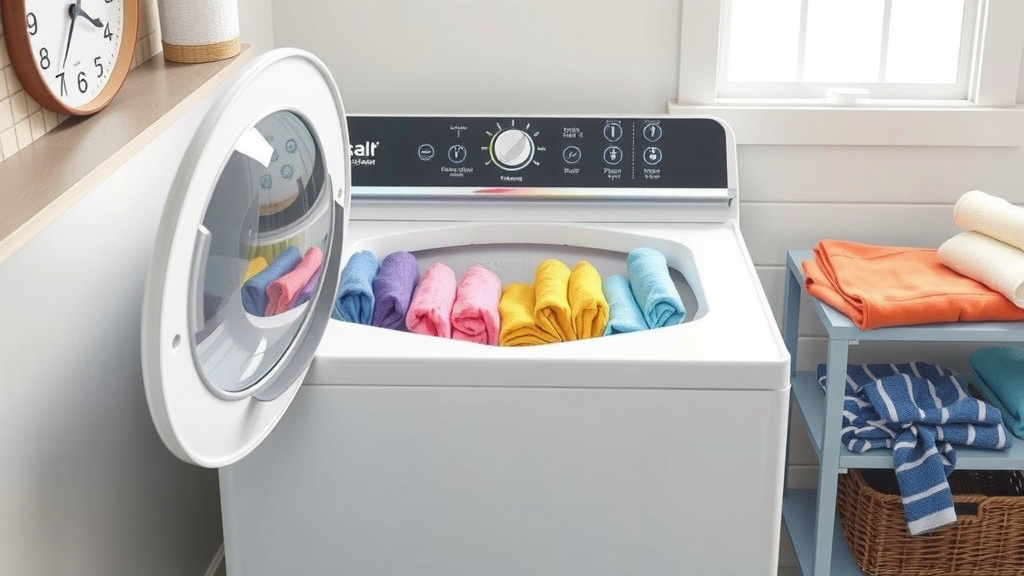
Visualizing “two-thirds full” can be tricky. It’s not about how high the pile of clothes reaches. It’s more about the density of the load. If you can easily push your hand down into the center of the laundry pile and it springs back up, you’re likely in a good zone.
Testing the Water Level
After you start the wash cycle and the water begins to fill, pause the machine and lift the lid. The water should be covering the clothes. If the water level is only halfway up the clothes, or if the clothes seem to be “swimming” in a very small amount of water, you need to adjust. For a large load, you should see a good amount of water visible above the fabric.
Different Load Types Need Different Amounts
Your load size isn’t just about quantity; it’s also about the type of items. Washing bulky items like blankets or heavy towels requires more space. You might need to use a smaller load setting for these, even if the machine isn’t visually “full.” Conversely, small, lightweight items might allow for a slightly fuller load.
Bulky Items and Their Special Needs
Large, bulky items tend to absorb a lot of water and can clump together. This uneven distribution of weight can unbalance the machine during the spin cycle. It’s often better to wash these one or two at a time. Ensure they have plenty of room to move and that the water can saturate them properly.
Delicates and Small Items
For delicate items or small loads like socks and underwear, you can often fill the machine a bit more. However, always ensure there’s still enough room for them to tumble freely. A tightly packed load of small items can still lead to poor rinsing and entanglement.
Troubleshooting Common Overloading Issues
Sometimes, you might not realize you’ve overloaded until you see the results. Here are a few signs and how to fix them. If your clothes consistently come out dirty or with detergent residue, it’s a strong indicator. You might also notice unusual noises during the spin cycle.
Recognizing Signs of an Overloaded Washer
Watch for these symptoms:
- Clothes are still visibly dirty or stained after a wash.
- A white, chalky residue is left on your clothes.
- Your washer seems to be struggling or making strange noises during the spin cycle.
- Clothes are excessively wrinkled, even if you removed them promptly.
- The machine doesn’t seem to spin effectively, leaving clothes very wet.
Adjusting Your Laundry Habits for Success
Here’s a quick checklist to ensure you’re packing your washer just right:
- Always start with a clean lint filter.
- Don’t pack clothes down into the drum.
- Leave enough space for your hand to fit comfortably into the load.
- Use the recommended load size setting for your machine.
- If in doubt, it’s better to run two smaller loads than one overloaded one.
By following these simple tips, you can help ensure your top-loading washer performs at its best. You’ll enjoy cleaner clothes and extend the life of your appliance. It’s all about giving your laundry the space it needs to get truly clean!
“`Conclusion
You’ve learned that filling your top-loading washer more than two-thirds full isn’t the best approach. Overloading leads to less effective cleaning and rinsing. It also puts unnecessary stress on your machine, potentially causing damage. Aim for a load where clothes can move freely and water can circulate easily. By following the “two-thirds full” rule and observing your washer’s water levels, you’ll ensure cleaner clothes and a longer lifespan for your appliance. Make it a habit to check your load size before starting each wash for optimal results.
Frequently Asked Questions
Can I fill my top-loading washer all the way to the top?
No, you should avoid filling your top-loading washer all the way to the top. While it might seem like you’re saving time or water, overfilling prevents clothes from agitating and rinsing properly. This can leave detergent residue and lead to dingy clothes.
How do I know if I’ve overloaded my washer?
You’ll know you’ve overloaded if clothes are still dirty or have residue after washing. You might also hear strange noises from the machine during the cycle. Another sign is if clothes come out excessively wrinkled or still very wet, indicating poor spinning performance.
Does the type of clothing affect how full I can fill the washer?
Yes, the type of clothing matters. Bulky items like blankets and towels absorb a lot of water and take up more space, so you’ll need to load less of them. Lightweight items might allow for a slightly fuller load, but always ensure there’s still room for movement.
What happens if my top-loader doesn’t have load size settings?
If your washer lacks load size settings, rely on visual cues and the water level. The “two-thirds full” rule is your best guide. Always ensure the water can cover the clothes and that there’s enough space for them to tumble freely during the wash cycle.
How much water should I see in a top-loading washer with a large load?
For a large load in a top-loading washer, you should see a good amount of water visible above the fabric after the machine starts filling. If the water level is only halfway up the clothes or they seem to absorb all the water, your load is likely too large.