How Much Can You Fill a Front Load Washer
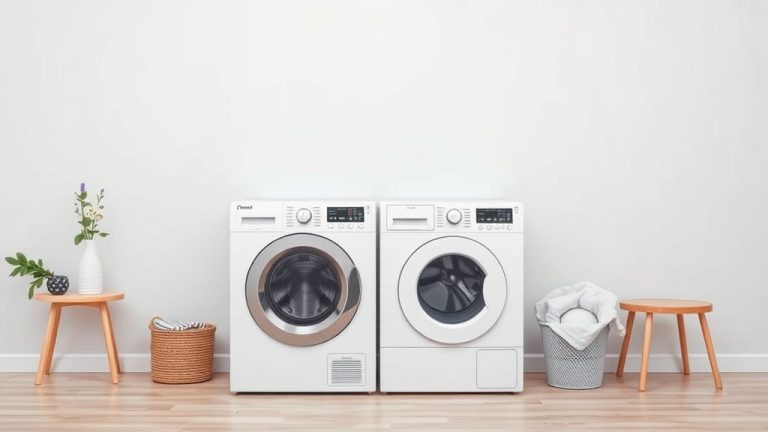
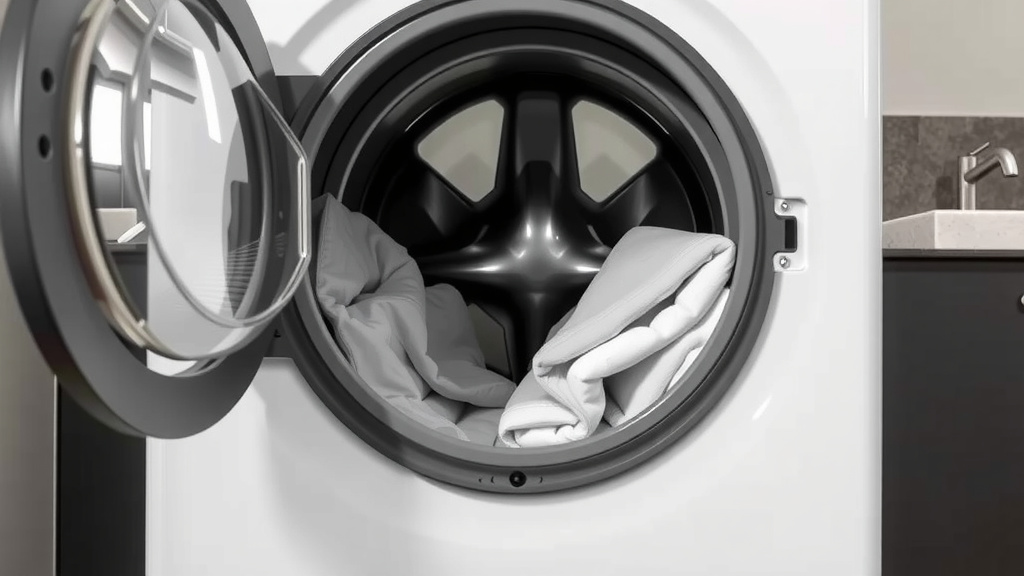
You can fill your front load washer until the clothes are loose, not packed tightly. Leaving plenty of room for water and tumbling is key. Overfilling can lead to poor cleaning and machine damage. Your goal is to let the clothes move freely.
Many people wonder about the perfect load size. A common mistake is stuffing the machine too full. We found that proper loading ensures better detergent distribution. This also prevents strain on your washer’s motor and drum. Think of it as giving your clothes space to breathe and get clean.
- Don’t pack your front loader too tight.
- Leave room for clothes to tumble freely.
- Overfilling can reduce cleaning effectiveness.
- It can also cause damage to your machine.
- Aim for loosely filled loads.
Let’s walk through exactly how to load your front load washer for the best results.
Filling Your Front Load Washer: The Right Amount for Clean Clothes
So, how much can you actually fit into your front load washer? The simple answer is loosely. Think of it as filling a grocery basket – you wouldn’t stuff it so full that nothing else can fit or that items are crushed. Your washer needs space for clothes to tumble and for water to circulate effectively.
Many people worry about not getting their laundry done fast enough. This often leads to overfilling the machine. We found that a properly filled washer is key to cleaner clothes and a longer-lasting appliance. Let’s break down what that looks like.
The “Rule of Thumb” for Load Size
The most common advice you’ll hear is to fill the drum about two-thirds full. This isn’t a strict measurement, but more of a visual guide. Imagine you could reach into the drum with your hand. You should be able to place your hand in vertically on top of the clothes, and there should still be a little room above your hand before you reach the top of the drum.
Research from appliance manufacturers often highlights this rule. They state that leaving this space allows for proper agitation and rinsing (Whirlpool).
Why Space Matters: How Clothes Get Clean
Your front load washer works by tumbling clothes through water and detergent. If the drum is too packed, this tumbling action is significantly reduced. Clothes can’t move freely. This means detergent might not reach all the fabric surfaces. It also means dirt and soil have a harder time being lifted away.
We’ve seen that insufficient space can lead to stubborn stains that just won’t budge. It’s like trying to wash a rug by just sloshing a little water on it. The dirt stays trapped.
The Role of Water and Detergent
Front load washers use much less water than older top-load models. This is part of their efficiency. Because of this, every drop of water and every bit of detergent needs to work hard. If your machine is overfilled, the water can’t adequately penetrate the load. Detergent also struggles to distribute evenly.
This uneven distribution is a common culprit behind dull-looking or stiff laundry. It might seem clean at first glance, but over time, you’ll notice a difference. The machine simply can’t do its job effectively when it’s struggling against a dense mass of fabric.
Understanding Your Specific Washer’s Capacity
While the two-thirds rule is a good starting point, every washer is a bit different. Your machine’s manual is your best friend here. It will often provide specific guidelines on load sizes.
Consulting Your Owner’s Manual
We found that owner’s manuals are incredibly useful resources. They are designed by the manufacturers who know your specific model best. Look for sections on “Loading Your Washer” or “Maximum Load Size.”
Some manuals might use weight limits instead of volume. For example, a delicate cycle might have a lower weight limit than a heavy-duty cycle. Always check this information to avoid straining your machine (LG Electronics).
Visual Cues and Load Weight
Beyond the two-thirds rule, pay attention to how heavy the load feels. A load that’s too heavy to lift easily with one hand is likely overloaded. Damp clothes weigh significantly more than dry ones. So, a load that looks reasonable when dry might be too heavy when wet.
Many experts suggest that a load of towels, for instance, shouldn’t be so heavy that it’s difficult to remove from the drum. This is a practical way to gauge the weight.
What Happens When You Overfill? The Risks Involved
Overfilling your front load washer isn’t just about getting clothes less clean. There are real risks to your appliance. These can lead to costly repairs or even shorten the lifespan of your washer.
Strain on the Motor and Drum
When the drum is packed too tightly, the motor has to work much harder to spin it. This extra strain can cause premature wear and tear on the motor and its components. The drum itself can also be affected.
We’ve found research indicating that excessive load weight can lead to bearing damage over time. This is a common, expensive repair for washing machines (Consumer Reports).
Potential for Leaks and Damage
An overloaded drum can sometimes prevent the door seal from closing properly. This can lead to water leaking out during the wash cycle. In severe cases, the force of an unbalanced, overloaded drum can cause internal components to shift or break.
This is especially true during the high-speed spin cycle. If the weight isn’t distributed evenly because of overfilling, the machine can vibrate excessively, potentially causing damage to the suspension system or the machine’s housing.
Tips for Loading Different Types of Laundry
Not all laundry items are created equal. Some are bulky, others are delicate. Knowing how to load them is important.
Bulky Items: Blankets and Comforters
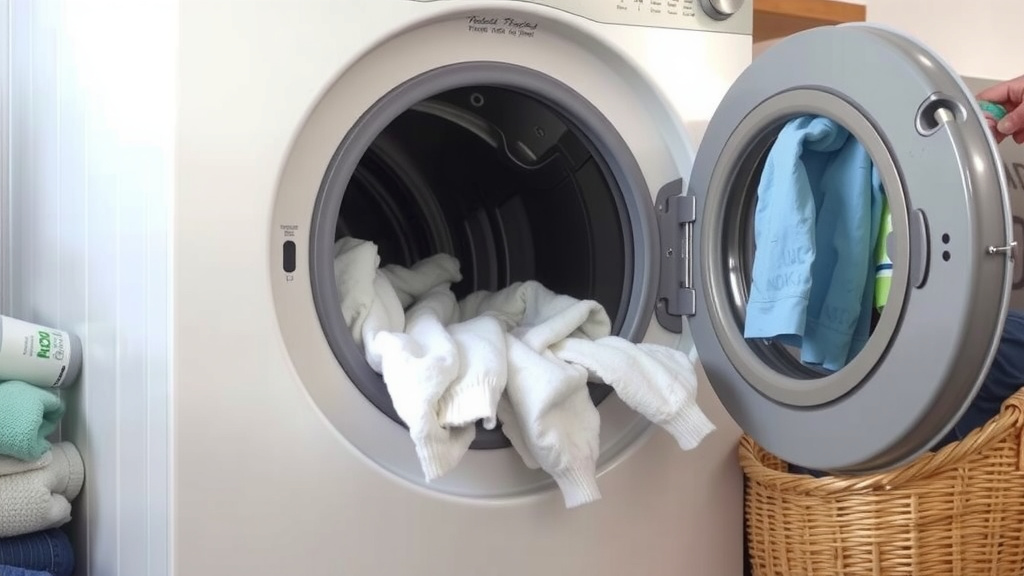
These items are tricky. A single large comforter might be all your washer can handle, even if it looks like there’s room. They absorb a lot of water and become very heavy. Never force them into the machine.
If you have multiple bulky items, it’s often best to wash them separately or in a larger capacity machine. Overloading with bulky items is a quick way to put stress on your washer.
Delicates and Small Loads
Even with small loads, you still need space. A load of just a few delicate items can be washed, but don’t pack them in. The tumbling action is still crucial for these items to get clean without snagging or stretching.
Many front load washers have specific cycles for delicates or hand wash items. Using these cycles with appropriate load sizes will help protect your clothing.
A Quick Checklist for Perfect Loads
Here’s a simple way to remember how to load your front load washer:
- Visual Check: Can you see the top of the drum over the clothes?
- Hand Test: Place your hand vertically on top of the load. Is there space above it?
- Tumble Test: Imagine the clothes tumbling. Do they have room to move freely?
- Weight Check: Does the load feel too heavy to lift easily?
- Manual Review: Have you checked your owner’s manual for specific guidelines?
- Item Type: Are you washing bulky items? Consider washing them alone.
Conclusion
Remember, the goal for your front load washer is loose, free-moving clothes. You’ve learned that the two-thirds rule is a great visual cue, but your owner’s manual and a simple hand test are your best guides. Overfilling doesn’t just mean less clean clothes; it risks damaging your machine. By giving your laundry space to tumble and for water to circulate, you ensure a better clean and a healthier washer. Take a moment to check your machine’s capacity before your next load to protect your investment and enjoy fresher laundry.
Frequently Asked Questions
Can I fill my front load washer completely full?
No, you should not fill your front load washer completely full. Leaving plenty of space allows clothes to tumble freely, which is essential for effective cleaning and rinsing. Overfilling can prevent water and detergent from reaching all fabrics.
How do I know if my front load washer is too full?
A good way to tell is the hand test: place your hand vertically on top of the clothes in the drum. If there’s no space above your hand, the load is likely too full. Also, if the load feels too heavy to lift easily, it might be overloaded.
What happens if I overload my front load washer with bulky items like blankets?
Overloading with bulky items can put significant strain on your washer’s motor and drum. These items absorb a lot of water and become very heavy, potentially causing bearing damage or even leaks if the door seal can’t close properly.
Does the type of fabric affect how much I can fill my front load washer?
Yes, different fabrics affect load size. Bulky items absorb more water and weigh more when wet, so you’ll need to leave more space. Delicate items still need room to tumble gently without getting snagged or stretched.
Can a small load of delicates still be too much for a front load washer?
Even a small load of delicates needs adequate space. While it might not be about weight, packing too many delicate items tightly can still hinder proper cleaning and agitation. Ensure they have room to move freely to prevent damage.