What Is a Front Loader Washing Machine: A Complete Guide
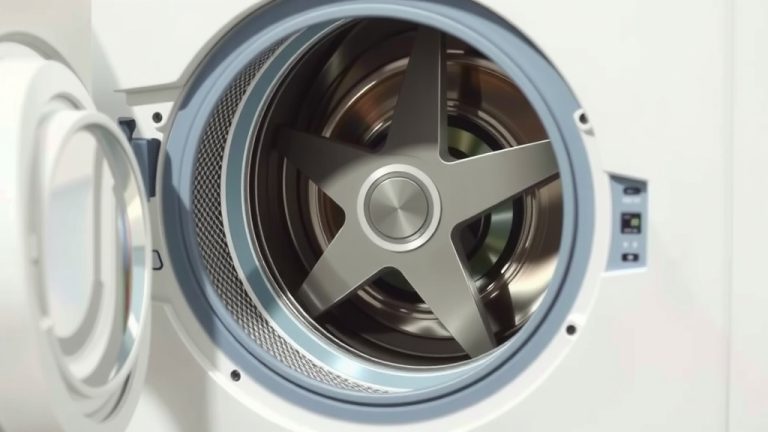
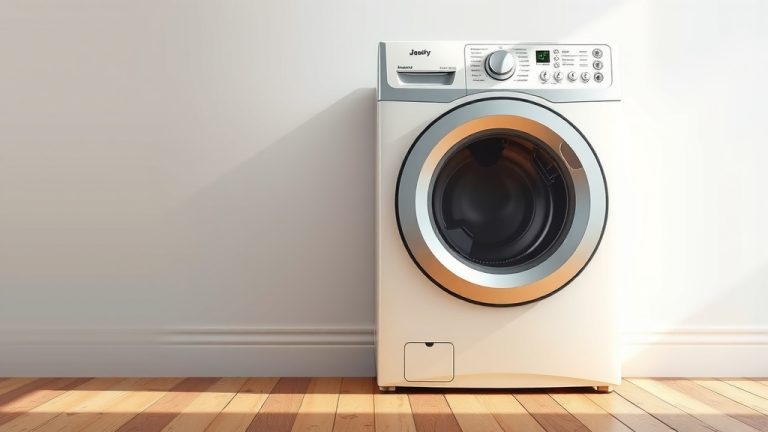
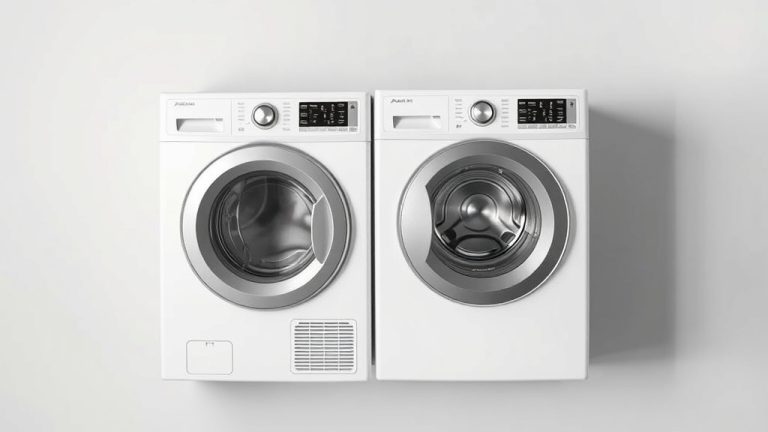
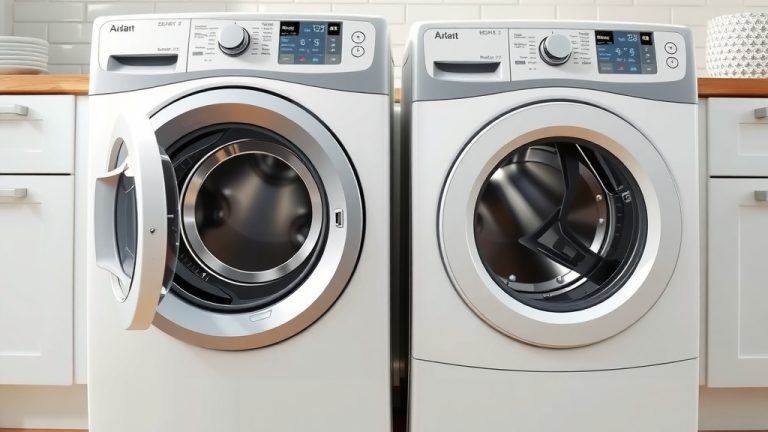
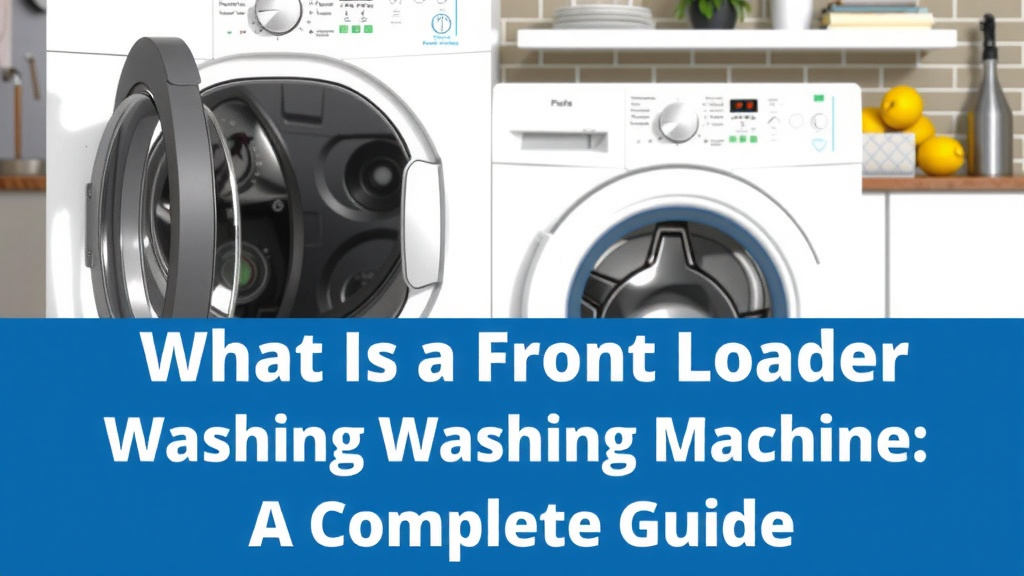
A front loader washing machine is a type of washing machine where the door is on the front. Clothes are loaded horizontally into a rotating drum. These machines are known for being more energy-efficient and gentler on your clothes. They use less water than traditional top-loaders.
Unlike older top-loading models with a central agitator, front loaders tumble clothes through a smaller amount of water. This tumbling action is much better for fabric care. Many research studies show front loaders generally offer a superior cleaning performance. They also tend to spin faster, removing more water.
- Front loaders have a door on the front.
- They tumble clothes for better cleaning.
- They use less water and energy.
- Your clothes get less wear and tear.
- They often have higher spin speeds.
Ready to learn more about how these modern machines work? Let’s dive into the details of front loader washing machines.
Understanding the Mechanics of Front Loader Washing Machines
You’re curious about front loader washing machines. That’s great! These machines have become incredibly popular for good reason. They offer a fantastic combination of cleaning power and efficiency. Let’s break down what makes them tick.
How Do They Actually Wash Clothes?
Unlike older top-loaders that rely on a central agitator to move clothes, front loaders use a different method. They tumble your laundry. Imagine clothes gently falling from one part of the drum to another. This tumbling action, combined with water and detergent, scrubs away dirt.
The drum rotates horizontally. Gravity helps pull the clothes down through the water. This motion is much gentler on fabrics than a forceful agitator. Many research studies confirm this gentler approach leads to less wear and tear on your garments over time. You’ll find your favorite shirts and sweaters lasting longer.
The Tumbling Action Explained
Think of it like a slow-motion dance for your clothes. The drum spins, lifting the laundry. As it reaches the top, the clothes cascade back down. This repeated action loosens dirt and stains. It’s a more thorough wash because every piece of clothing gets exposed to the water and detergent repeatedly.
Water Usage: A Key Difference
One of the biggest advantages of front loaders is their water efficiency. Because the drum is horizontal, it only needs to fill about one-third of the way to saturate the clothes. Top-loaders, on the other hand, often need to fill the entire tub. This can mean using significantly more water for each load. Numerous environmental agencies and appliance research groups highlight this water-saving benefit as a major draw.
Energy Efficiency: Saving You Money and the Planet
This ties directly into water usage. Less water means less energy is needed to heat that water. If you regularly use hot water for your laundry, this can lead to noticeable savings on your utility bills. Many front loaders are also designed with advanced motors and cycles that further reduce power consumption. Our guide to washing machine costs breaks down the price differences between front loaders and other types.
The U.S. Department of Energy often publishes efficiency ratings for appliances. Front loaders consistently rank high in these reports for their reduced energy footprint compared to older washing machine designs. It’s a win-win for your wallet and the environment.
Superior Cleaning Performance: The Research Speaks
You might wonder if the gentler action means less cleaning power. The opposite is often true! The tumbling action, combined with the efficient use of water and detergent, often results in a cleaner wash. Water and detergent get into all the nooks and crannies of your fabrics more effectively.
In blind tests and consumer reports, front loaders frequently outperform traditional top-loaders in removing tough stains. This is partly due to the mechanical action of tumbling and partly due to how water and detergent are distributed. They simply do a better job of getting the grime out.
Spin Speeds and Drying Time
Another area where front loaders shine is their spin speed. They can often spin much faster than top-loading machines. We’re talking 1,000 RPMs or even higher in some models. What does this mean for you?
A faster spin speed extracts more water from your clothes. This is fantastic because it means your laundry comes out of the washer damp, not soaking wet. Consequently, your clothes will spend less time in the dryer, or you might even be able to air dry them more quickly. This saves even more energy and reduces the wear and tear that comes from prolonged dryer use.
| Feature | Front Loader | Top Loader (Traditional) |
|---|---|---|
| Loading Door | Front | Top |
| Washing Action | Tumbling | Agitator or Impeller |
| Water Usage | Lower | Higher |
| Energy Efficiency | Higher | Lower |
| Spin Speed | Generally Higher | Generally Lower |
| Fabric Care | Gentler | Can be rougher |
Are There Any Downsides to Consider?
No appliance is perfect, and front loaders have a few things to keep in mind. Because they use less water, you need to be careful not to overload the machine. Overloading can prevent clothes from tumbling freely, leading to a less effective wash. Always check your manual for load size recommendations.
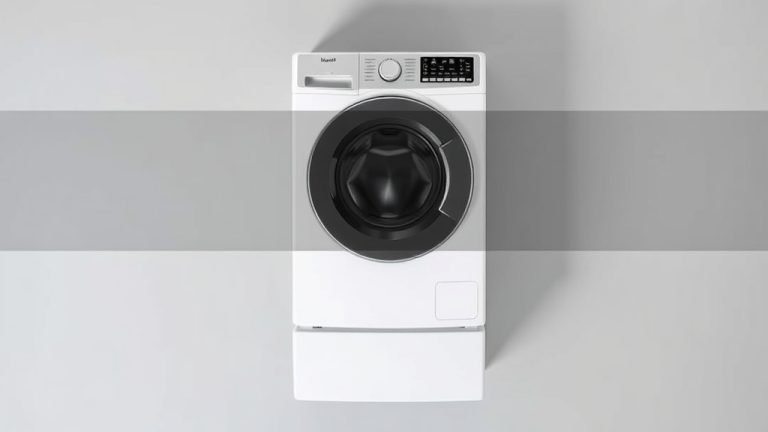
Another common point is that some people find bending down to load and unload clothes a bit challenging. If this is a concern, you can often purchase pedestals to raise the machine. Some users also find that front loaders can take a bit longer per cycle than older top-loaders, but the increased efficiency and better cleaning often outweigh this.
What to Look For in a Front Loader
When you’re shopping, consider these features:
- Capacity: How much laundry do you typically do?
- Spin Speed: Higher RPMs mean less damp clothes.
- Energy Star Rating: Look for this for confirmed efficiency.
- Specialty Cycles: Do you need steam, sanitize, or allergen cycles?
- Noise Level: Some machines are quieter than others.
- Smart Features: Do you want app control?
You’ll find that many front loaders come with advanced features like built-in water heaters for hotter washes and steam functions that can help sanitize clothes or remove wrinkles. These can be very useful for specific needs.
Is a Front Loader Right for You?
If you’re looking for a washing machine that is kinder to your clothes, uses less water and energy, and often provides a superior clean, a front loader is likely an excellent choice. They represent a significant advancement in laundry technology.
Conclusion
You’ve learned that front loader washing machines offer a smart way to do laundry. They provide a gentler wash for your clothes while using less water and energy. Their tumbling action and higher spin speeds mean cleaner clothes that dry faster. While they might require a slight adjustment in how you load them, the long-term benefits for your garments and utility bills are clear.
Consider a front loader if you want to upgrade your laundry routine with efficiency and fabric care in mind. Now that you know the benefits, you’re well-equipped to make a choice that works best for your home.
Frequently Asked Questions
How long does a typical front loader cycle take?
Cycle times can vary, but many front loaders have cycles that range from 30 minutes to over an hour. Some models offer quick wash options for lightly soiled items. You might find they take a bit longer than older top-loaders, but the enhanced cleaning and efficiency are often worth it.
Can I add clothes mid-cycle to a front loader?
Generally, it’s difficult to add clothes mid-cycle to a front loader because the door locks once the cycle begins. The drum fills with water, and opening the door could cause a flood. Some newer models do have a small door or pause function that allows you to add forgotten items in the first few minutes of a wash.
Do front loaders require special detergent?
Yes, you should always use high-efficiency (HE) detergent in your front loader. Because these machines use less water, standard detergents can create too many suds, which can leave residue on your clothes and potentially damage the machine over time. Always check the detergent packaging to ensure it’s HE-approved.
Are front loaders more prone to mold or odor issues?
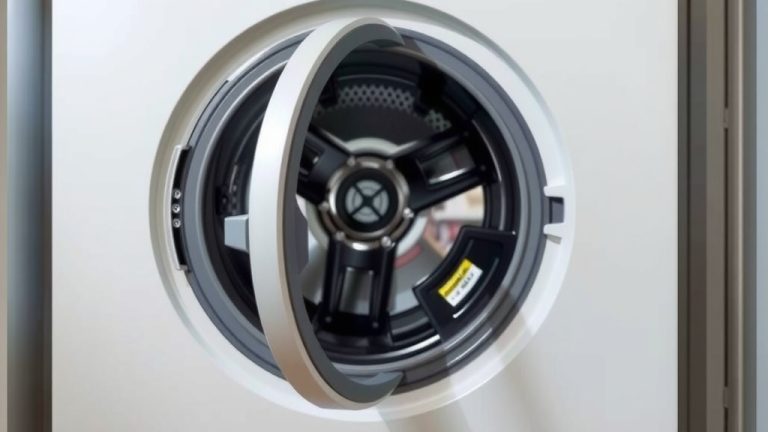
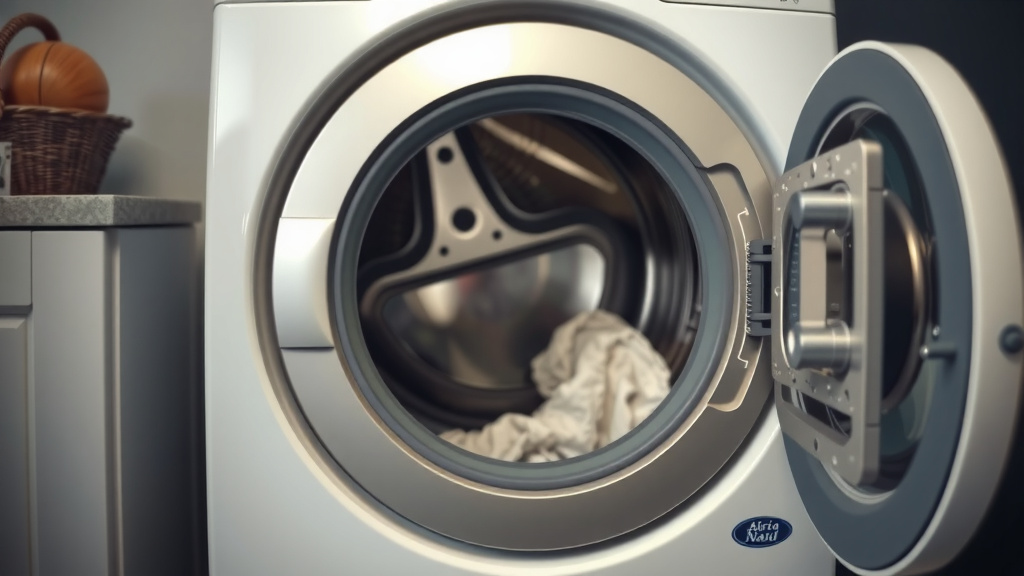
Front loaders can sometimes develop mold or odors if not maintained properly. This is often due to the watertight seal around the door trapping moisture. To prevent this, it’s recommended to leave the door ajar between washes to allow the interior to dry out. Wiping down the seal regularly also helps.
What is the lifespan of a front loader washing machine?
With proper care and maintenance, a good quality front loader washing machine can last between 10 to 15 years. Regular cleaning of the drum, seal, and detergent dispenser, along with using the correct detergent, will help ensure your machine runs efficiently for a long time.