Top Loader Water Usage: How Much Do They Use
A typical top-loading washing machine uses about 30 to 45 gallons of water per load. This can vary based on the machine’s age and whether it’s a high-efficiency model. Older, standard top loaders tend to use more water than newer ones.
Your top loader’s water usage is directly tied to its wash cycles. A deep fill setting will obviously use more water than a load sensed automatically. Many people wonder about the water savings from switching to a new machine.
- Top loaders use 30-45 gallons per wash.
- Older models use more water.
- HE machines are more efficient.
- Wash settings impact water use.
Let’s dive into the specifics of how much water your top loader actually uses and what factors play a role.
“`htmlUnderstanding Your Top Loader’s Water Needs
So, you’re curious about how much water your trusty top-loading washing machine really uses. It’s a great question to ask! Knowing this can help you manage your water bill and be kinder to the environment. Generally speaking, a standard top loader can gulp down anywhere from 30 to 45 gallons of water for a single wash cycle.
Think about that for a moment. That’s a lot of H2O! It’s like filling up a small bathtub for every load of laundry you do. But don’t worry, we’re going to break down exactly why this number can vary so much.
The Age and Type of Your Machine Matters
When your washing machine rolled off the assembly line makes a big difference. Older machines, those made before about 2007, were often designed with agitators in the center. These agitators are great for scrubbing clothes, but they need a lot of water to move everything around effectively. You’re probably looking at the higher end of that 30-45 gallon range, maybe even more.
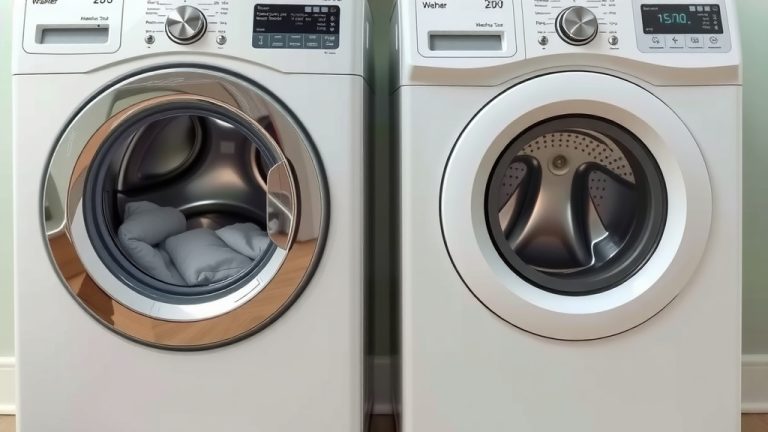
Newer machines, especially those labeled as high-efficiency (HE), are built differently. They often don’t have a large central agitator. Instead, they might use impellers or just tumble the clothes. These designs require much less water to get the job done. An HE top loader could use as little as 20-30 gallons per load.
Wash Settings: The Biggest Influence on Water Usage
Even within the same machine, the water consumption can swing wildly depending on the settings you choose. It’s like choosing between a quick sip of water and chugging a whole bottle!
Deep Fill vs. Load Sensing
The most significant factor is often the “deep fill” or “max fill” option. If you select this, your machine will fill up completely, no questions asked. This is great for really dirty or bulky items, but it’s also the biggest water user. We found that using a deep fill cycle can push your machine’s usage towards the upper limit of its capacity.
On the flip side, most modern machines have a load-sensing feature. They’ll determine the amount of water needed based on how much laundry you’ve put in. This is much more water-wise. It’s often the default setting, and for good reason! Many experts say this feature can save a considerable amount of water over time.
Cycle Selection: Beyond Just Hot or Cold
Did you know that different wash cycles use different amounts of water? A delicate cycle might use less water than a heavy-duty or bulky items cycle. The machine is programmed to use specific water levels for each. A “bulky” setting, for example, needs more water to properly saturate large items like comforters or blankets.
Even the temperature setting can play a small role, though less so than fill level or cycle type. Hot water cycles sometimes require more water to start with, just to ensure adequate saturation.
Comparing Top Loaders to Other Washing Machine Types
It’s helpful to see how your top loader stacks up against other common washing machine types. This gives you a clearer picture of its water footprint.
| Washing Machine Type | Average Water Usage Per Load (Gallons) |
|---|---|
| Standard Top Loader (Older) | 35 – 50+ |
| High-Efficiency (HE) Top Loader | 20 – 35 |
| Front Loader | 10 – 20 |
As you can see, front-loading machines are typically the most water-efficient. They use gravity to tumble clothes through a small amount of water. We found that front loaders often use less than half the water of a traditional top loader. HE top loaders bridge the gap, offering better efficiency than their older counterparts.
Tips for Reducing Water Usage with Your Top Loader
Feeling concerned about your water usage? Don’t fret! There are several practical steps you can take right now to help your top loader be more water-friendly.
- Always use the load-sensing feature whenever possible. Avoid the “deep fill” option unless absolutely necessary.
- Wash full loads. Running the machine with only a few items is like taking a full bath for a single sock!
- Choose the right cycle. Opt for less water-intensive cycles like “normal” or “quick wash” when appropriate.
- Consider upgrading if your machine is very old. Newer HE models can lead to substantial water and energy savings over their lifespan. Research from the Department of Energy indicates that upgrading to an ENERGY STAR certified washer can save you around 100 gallons of water per load compared to older models.
- Pre-treat stains. This can help you avoid needing longer, more water-intensive cycles to get clothes clean.
By making small adjustments to how you use your machine, you can make a real difference in your home’s water consumption. It’s all about being mindful of the settings and the load size.
“`
Conclusion
You now understand that your top-loading washing machine uses between 30 and 45 gallons of water per load. This number can change based on your machine’s age and whether it’s a high-efficiency model. The settings you choose, especially deep fill versus load sensing, have the biggest impact. Front-loaders generally use less water, but you can make your current top loader more efficient. For your next step, try using the load-sensing feature on every wash and aim for full loads. These simple changes will help you save water and money.
Frequently Asked Questions
How much water does a standard top loader use compared to an HE model?
A standard top loader typically uses 30 to 45 gallons of water per load. In contrast, a high-efficiency (HE) top loader is designed to be more economical and uses around 20 to 35 gallons per load. HE models achieve this through improved designs that require less water for effective cleaning.
Can older top loaders really use more water than newer ones?
Yes, older top-loading machines, especially those with a central agitator, tend to use considerably more water. They were designed when water conservation was less of a concern. Newer HE models often use impeller technology or tumbling actions that require much less water to move clothes effectively.
Does the wash cycle I choose affect water usage in my top loader?
Absolutely. Selecting cycles like “bulky” or “heavy duty” often requires your machine to fill up more water to ensure larger items or tougher stains are handled properly. Using the “normal” or “quick wash” cycles, when appropriate, will generally result in lower water consumption.
Is using the “deep fill” option always bad for water conservation?
While “deep fill” uses the most water, it’s not always “bad.” It can be beneficial for very large, bulky items like comforters or heavily soiled loads that need maximum saturation. However, for everyday laundry, relying on the automatic load-sensing feature is a much more water-wise choice.
How can I tell if my top loader is an HE model?
HE top loaders often look different from traditional models; they may not have a tall central agitator. Many HE machines also have specific “HE” markings on the machine itself or in the user manual. If your machine is newer and you’re unsure, checking your owner’s manual is the best way to confirm its efficiency rating.