How to Fill Your Front Load Washer Correctly
Filling your front load washer is simpler than you think! You just need to add your laundry and detergent to the drum. Unlike older top-loaders, there’s no central agitator to work around, making loading quite straightforward. Just toss your clothes in until the drum is about two-thirds full.
Knowing the right amount of detergent is key for effective cleaning and preventing buildup. Too much soap can leave residue on your clothes and inside the machine. We found that using the recommended dose for your specific detergent and load size is always best.
- Add clothes directly into the drum.
- Don’t overfill the machine; aim for two-thirds full.
- Use the correct amount of detergent.
- Check your washer’s manual for specific guidance.
- Consider sorting laundry by color and fabric type.
Let’s walk through exactly how to get your laundry loaded and ready for a wash cycle, step by step.
Alright, let’s get your front load washer loaded up correctly! It’s not rocket science, but a few simple steps can make a big difference in how clean your clothes get and how well your machine performs.
Loading Your Front Load Washing Machine
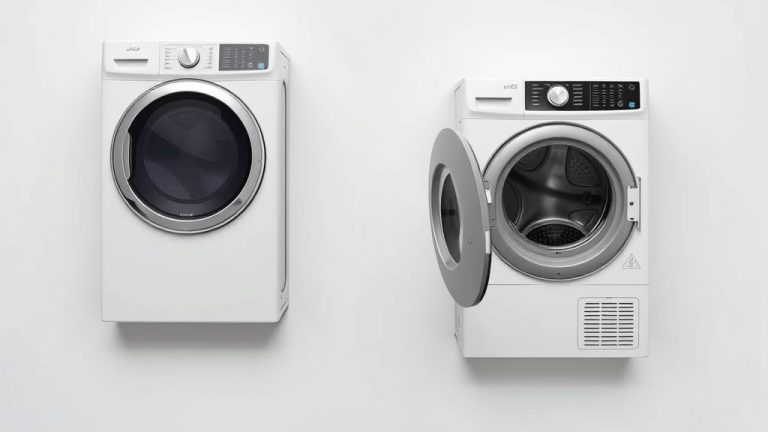
The process is quite straightforward. You’ll simply place your laundry directly into the large, open drum of the washing machine. Forget about those top-loaders with a central agitator that always seemed to snag your delicates. Front-loaders offer a much simpler loading experience.
Preparing Your Laundry for the Wash
Before you toss anything in, it’s a good idea to do a quick sort. Think about colors and fabric types. This helps prevent colors from bleeding onto lighter items and ensures different fabrics get the appropriate cleaning they need. Washing whites with colors is a recipe for dingy garments. It’s like trying to paint a masterpiece with only one brush – you won’t get the best results!
Sorting by Color
Separate your laundry into at least three main groups: whites, lights (pastels, light grays, beiges), and darks (blacks, navies, deep reds, forest greens). Some people even create a fourth category for brightly colored items that might bleed, like vibrant reds or oranges. This simple sorting makes a world of difference.
Sorting by Fabric Type
You’ll also want to consider the fabric. Heavy items like towels and jeans can go together. Delicate items, like lingerie or silk blouses, should be washed separately, perhaps in a mesh bag. Think about it: you wouldn’t want your heavy-duty work socks tumbling around with your sheerest scarf. It’s a good idea to check care labels on your clothes for specific washing instructions. Many experts recommend this as a first step (Consumer Product Safety Commission).
Adding Clothes to the Drum
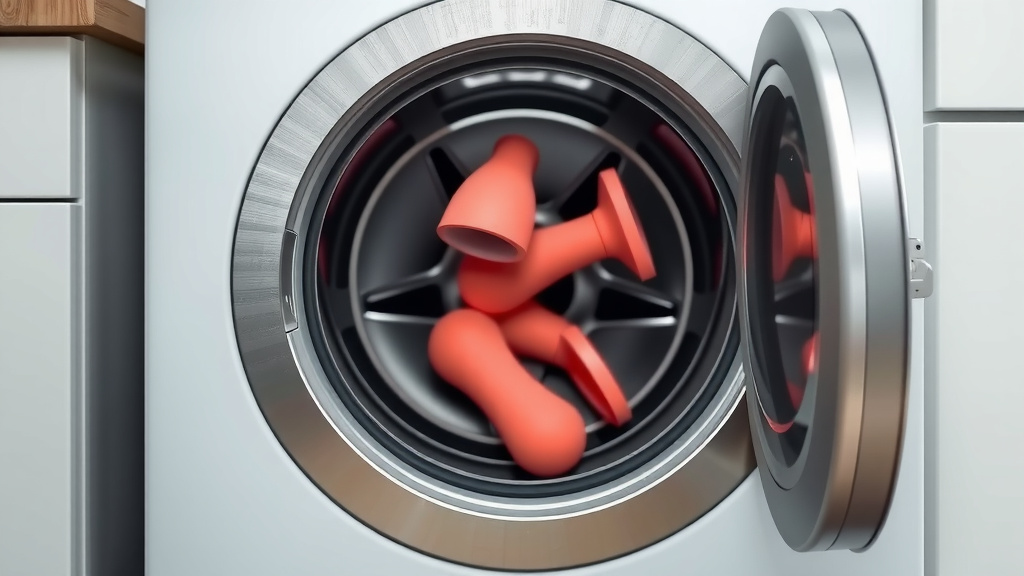
Now for the fun part – loading! Open the washer door and start placing your sorted laundry into the drum. The key here is not to overstuff the machine. You want to give your clothes plenty of room to move around freely in the water. A good rule of thumb is to fill the drum only about two-thirds of the way full. Imagine a packed suitcase – if it’s too full, nothing inside moves properly. Your clothes need that space to get truly clean.
The Two-Thirds Full Rule
Why two-thirds? This allows the water and detergent to circulate effectively around each item. If the drum is packed too tightly, clothes won’t agitate properly. This can lead to poor cleaning and even leave detergent residue behind. We found that loads that are too dense simply don’t come out as fresh. It’s like trying to hear a conversation in a crowded room; the more people, the harder it is to distinguish individual voices. Your clothes need that breathing room!
What If You Have a Very Small Load?
Even with a small load, try not to fill the drum more than two-thirds full. Some machines have load size sensors that adjust water levels. However, a loosely packed load is always best, regardless of size. If you’re washing just a few items, make sure they are spread out within the drum. You don’t want them all clumped up on one side.
Understanding Detergent Dispensers
Most front-load washers have a special drawer for detergent and fabric softener. This drawer usually has different compartments. You’ll typically find one for liquid or powder detergent (often marked with an ‘I’ or ‘II’ for pre-wash and main wash cycles). There’s usually another for fabric softener or bleach. Always consult your washer’s manual to know exactly which compartment is for what. It’s usually quite clearly labeled.
Using the Right Amount of Detergent
This is where many people go wrong. Overusing detergent is a common mistake. Too much soap can cause excessive suds. These suds can leave a sticky residue on your clothes and inside the machine. This residue can attract dirt and lead to odors over time. Many detergent manufacturers provide a cap or scoop with their products. Using the recommended amount based on your load size and the detergent’s concentration is usually best. We found that using the cap marked for a normal load is a good starting point (Good Housekeeping Institute).
Types of Detergent
For front-load washers, it’s essential to use high-efficiency (HE) detergent. These detergents are specially formulated to create fewer suds. Regular detergents produce too many suds for a front-loader. Too many suds can interfere with the wash cycle and potentially damage the machine. Look for the “HE” symbol on the detergent packaging. Using the wrong type of detergent can void your washer’s warranty.
Checking Your Washing Machine Manual
Your washing machine’s manual is your best friend! It contains specific instructions tailored to your model. It will detail the maximum load capacity, the best ways to load, and often provides guidance on detergent amounts. We highly recommend keeping your manual in a handy place. It’s your ultimate guide to keeping your appliance running smoothly for years to come. Think of it as the owner’s manual for your car – you wouldn’t drive without it, right?
Manual Recommendations for Loading
Some manuals might suggest specific loading patterns or advise against washing certain items together. For instance, heavy bedding like comforters might have special loading instructions to ensure they balance correctly in the drum. Always refer to your specific model’s guide for these details.
Final Checklist Before Starting the Wash
Before you hit that start button, give your loaded machine a quick once-over. This ensures everything is good to go.
- Are clothes loosely packed, filling only about two-thirds of the drum?
- Is the detergent added to the correct compartment?
- Are you using the recommended amount of HE detergent?
- Have you checked for any stray items that might have fallen out?
- Is the door securely closed?
Conclusion
You’re now ready to confidently fill your front load washer! Remember, the key is to avoid overfilling the drum to about two-thirds full. This ensures your clothes get a thorough clean. Always use the correct amount of high-efficiency (HE) detergent, too. Your machine will thank you with cleaner clothes and fewer odors. For any specific questions about your model, your washer’s manual is your ultimate guide.
Next time you’re doing laundry, take a moment to sort your items, load loosely, and use the right detergent. You’ve got this!
Frequently Asked Questions
Can I put laundry detergent directly into the drum?
While some HE detergents can be added directly to the drum, it’s generally best to use the designated detergent dispenser. This ensures the detergent is released at the right time during the wash cycle for optimal cleaning and to prevent residue buildup.
What happens if I overfill my front load washer?
Overfilling your front load washer can prevent clothes from tumbling properly, leading to ineffective cleaning. It can also cause excess suds, strain the machine’s motor, and potentially lead to leaks or damage over time.
How do I know if I’m using the right amount of HE detergent?
Check the detergent packaging for recommendations based on load size and water hardness. Most HE detergents come with a measuring cap. Start with the amount recommended for a normal load and adjust based on how clean your clothes come out.
Should I wash heavily soiled items separately?
Yes, it’s often a good idea to wash heavily soiled items separately or in smaller, dedicated loads. This prevents transferring dirt and grime to other clothes and ensures the detergent can work effectively on the tougher stains.
What if my front load washer doesn’t have a dispenser drawer?
Some older or very basic front load washer models might not have a dispenser drawer. In these cases, you would typically add the HE detergent directly into the drum before adding your clothes, ensuring it’s spread out as much as possible.