Front Loader Washing Powder: How to Use It Correctly
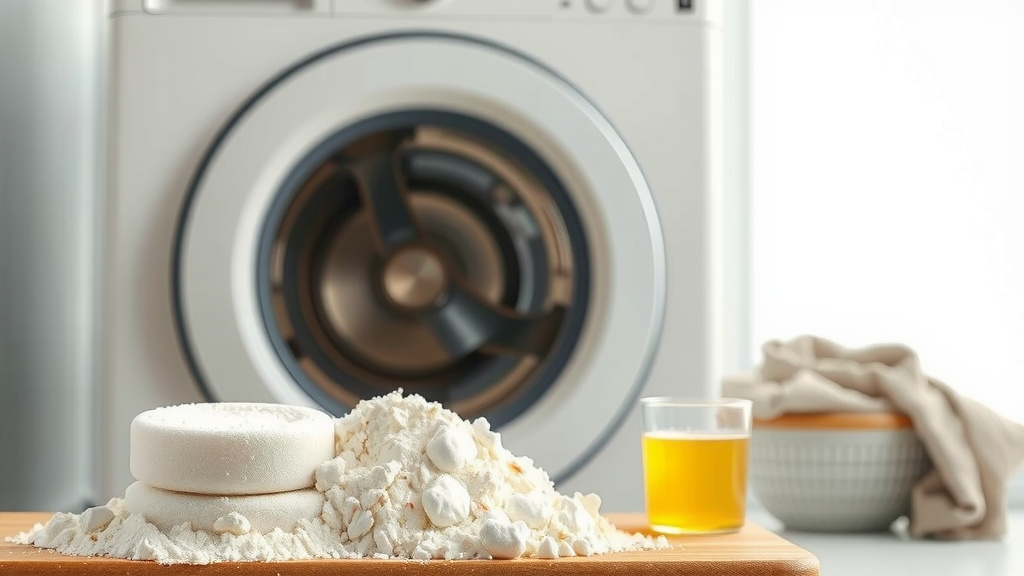
Using washing powder in your front loader is actually quite simple and effective if you get it right. The key is to use the correct amount of powder and place it in the designated dispenser drawer, usually labeled ‘II’ or ‘Main Wash’. Avoid putting it directly into the drum, as this can lead to buildup and less effective cleaning.
Many people wonder if using powder is as good as liquid, and research shows it can be. Front loaders are designed to use less water, so using the right powder formulation helps ensure it dissolves properly. This prevents residue and ensures your clothes come out fresh and clean every time, making it a smart choice for your laundry routine.
- Always use HE (High Efficiency) washing powder.
- Measure the powder carefully; too much can cause problems.
- Put powder in the correct drawer compartment.
- Check your washing machine’s manual for specific instructions.
Let’s walk through exactly how to get the best results using washing powder in your front loader, step by step.
Getting the Most from Washing Powder in Your Front Loader
You’ve got a front-loading washing machine, and you’re considering using washing powder. That’s perfectly fine! Many people stick with liquid, but powder can be just as effective, sometimes even more so, especially for tough stains. The key is knowing how to use it correctly. We’ll guide you through it so you can get sparkling clean clothes every time.
Using washing powder in a front loader might seem a little different than in older top-loaders. These machines use less water, which means the detergent needs to dissolve properly. If it doesn’t, you can end up with residue on your clothes and in your machine. But don’t worry, it’s easy to avoid these issues with a little know-how.
Why Choose Washing Powder for Your Front Loader?
Washing powder has some real advantages. Many formulations are designed to be effective at lower temperatures, which is great for energy savings. They can also be better at tackling certain types of stains, like mud or grass. Plus, powder tends to be more stable over time than liquid detergents. We found that for many users, powder is a reliable choice.
One big benefit is its ability to handle hard water. Some research suggests that the ingredients in washing powder can help soften water, which allows the detergent to work more effectively. This means you might get better cleaning results, especially if you live in an area with hard water (USGS).
HE Powder: Your Front Loader’s Best Friend
This is super important: you must use HE (High Efficiency) washing powder. Front-loaders are designed to use less water, so they need low-sudsing detergents. Regular detergents create too many suds. These suds can overflow the machine and prevent it from cleaning your clothes properly. They can also leave residue behind.
HE detergents are specifically formulated to produce fewer suds. They are also more concentrated, meaning you need less of them. Always look for the “HE” symbol on the packaging. It’s usually quite prominent. Not using HE powder is one of the most common mistakes people make, and it can lead to poor wash results.
The Right Way to Measure Your Washing Powder
Measuring is critical. Too much powder can cause the problems we just talked about: excess suds and residue. Too little, and your clothes might not get clean enough. The good news is that the packaging for your washing powder will tell you exactly how much to use.
Decoding the Scoop: How Much Powder Do You Need?
Manufacturers provide specific guidelines based on the load size and how dirty your clothes are. These are usually found on the side or back of the detergent box. You’ll often see recommendations for “light,” “medium,” and “heavy” soil levels. Pay close attention to these!
For a standard load, a measuring scoop or cap is often included with the detergent. If yours doesn’t have one, a standard measuring tablespoon or cup can work, but it’s best to use the one provided or consult your machine’s manual. We found that using a dedicated scoop prevents guesswork.
Tip: If your washing powder box doesn’t have clear instructions, it’s safer to use less rather than more. You can always add a tiny bit more next time if needed. It’s easier to add than to remove residue!
Where to Put the Washing Powder
This is where your washing machine’s dispenser drawer comes into play. Front-loaders have specific compartments for different types of detergent and additives. Putting powder in the wrong place can mean it doesn’t get released into the wash cycle correctly.
Finding the Detergent Drawer
Look for a pull-out drawer on your machine, usually located at the top. Most drawers have three compartments. They are typically labeled with Roman numerals or symbols. The compartment labeled ‘II’ or ‘Main Wash’ is where your washing powder should go. This compartment is designed to release the detergent during the main wash cycle.
Sometimes, there’s a smaller compartment labeled ‘I’ or ‘Pre-wash.’ This is for a pre-wash detergent if you’re using that setting. Another compartment might have a flower symbol. That’s usually for fabric softener. Always double-check your machine’s manual if you’re unsure which compartment is which.
What If My Machine Doesn’t Have a Drawer?
Some older or very basic models might not have a dispenser drawer. In this rare case, you might need to add the powder directly to the drum. If your machine’s manual says to do this, then it’s okay. Add the measured amount of powder to the empty drum before you add the clothes. This ensures it has a chance to dissolve as the water fills.
However, most modern front-loaders do have a drawer. Relying on the drawer is the best method. It ensures the powder is dispensed at the right time in the wash cycle. Using the drawer is the most common and recommended method for front-loaders.
Tips for a Perfect Wash with Powder
Getting the powder in the right place and using the right amount are the biggest steps. But a few extra tips can help ensure your clothes come out brilliantly clean. We’ve gathered some best practices that many users find helpful.
Dissolving the Powder: A Little Extra Help
Because front-loaders use less water, sometimes powder can clump if the water isn’t hot enough. If you’re washing a load on a cold or cool setting, you might want to try a powder specifically designed for cold water. Or, try dissolving the measured powder in a cup of hot water first before adding it to the dispenser. This is a simple trick that can help prevent residue.
Don’t Overload Your Machine
Packing your front-loader too full is a common mistake. Clothes need room to tumble and move freely. If the drum is too crowded, water and detergent can’t circulate effectively. This leads to clothes not getting clean and potential detergent buildup. Always leave some space at the top of the drum.
Research from appliance manufacturers often points to leaving about a hand’s width of space between the clothes and the top of the drum. This ensures proper movement and rinsing (Energy Star).
Regular Cleaning for Your Machine
Even with correct usage, detergent residue can build up over time. This can affect your machine’s performance and leave a stale odor. Many experts recommend running an empty hot water cycle with a washing machine cleaner or a cup of white vinegar once a month. This helps clear out any lingering residue from the drum and hoses.
Always check your machine’s manual for its specific cleaning recommendations. Some manuals suggest using a special cleaning tablet or a specific cleaning cycle. Keeping your machine clean is just as important as using the right detergent.
Check Your Water Temperature Settings
While many modern powders work well in cool water, some older formulations or very stubborn stains might benefit from warmer water. If you notice residue or clothes aren’t getting clean, try increasing the water temperature slightly for your next wash. Check the garment care labels to ensure the fabric can handle warmer water.
A hot water wash (around 130°F or 54°C) can be more effective at dissolving powder and killing germs, but it uses more energy and can cause colors to fade faster (CDC).
Quick Checklist for Using Washing Powder in Your Front Loader:
- Always choose HE (High Efficiency) washing powder.
- Measure the powder carefully according to the box instructions.
- Place the measured powder in the ‘II’ or ‘Main Wash’ compartment of the dispenser drawer.
- Avoid overloading your washing machine.
- Run an empty hot cycle with cleaner periodically to maintain your machine.
- Consult your washing machine’s manual for any specific detergent instructions.
Conclusion
You’ve now got a clear picture of how to use washing powder effectively in your front-loading washing machine. Remember, the key steps are using HE powder, measuring it accurately, and placing it in the correct dispenser compartment marked ‘II’ or ‘Main Wash’. By following these simple guidelines, you’ll avoid common issues like residue and ensure your clothes come out consistently clean. Make these practices a habit, and you’ll enjoy a more efficient and effective laundry routine. Ready to give it a try? Your next wash will be that much better!
Frequently Asked Questions
Can I use regular washing powder in my front loader?
No, it’s really important to use HE (High Efficiency) washing powder. Front loaders use less water, and regular powder creates too many suds. These can cause overflow and prevent proper cleaning, leaving residue on your clothes.
What happens if I put too much washing powder in?
Using too much powder can lead to excess suds, which can overflow your machine and leave a soapy residue on your clothes and inside the drum. This can also make your clothes feel stiff or look dull.
How do I know how much washing powder to use?
Always check the packaging of your washing powder. Manufacturers provide guidelines based on load size and how dirty your clothes are, usually indicating amounts for light, medium, or heavy soil. Use the scoop provided for best results.
Is it okay to put washing powder directly into the drum?
Generally, no. For front-loaders, it’s best to use the dispenser drawer. Putting powder directly into the drum can sometimes lead to undissolved powder and residue, especially if the water isn’t hot enough.
My washing powder isn’t dissolving well in cold water. What can I do?
If you’re washing on a cold setting, try dissolving your measured powder in a cup of hot water before adding it to the ‘Main Wash’ compartment. You can also look for washing powders specifically formulated for cold water washes.