How to Remove a Front Load Washer Safely
Removing a front load washer involves a few key steps to ensure it’s done safely and efficiently. You’ll generally need to disconnect the water lines, drain the machine, and then unbolt it from the wall or floor before sliding it out. This process is manageable for most homeowners with basic tools and a bit of patience, often taking less than an hour to complete if you’re prepared.
Before you begin, it’s wise to understand what you’re getting into. Front load washers are heavy and can be awkward to move, so having a helper is highly recommended. Gathering the right tools beforehand will also save you a lot of frustration. We’ve researched the most common methods to help you tackle this task with confidence, ensuring you avoid common pitfalls like water damage or strain.
- Turn off water supply.
- Drain remaining water.
- Disconnect hoses and power.
- Secure the drum.
- Carefully slide washer out.
Ready to get that old washer out of your way? Let’s walk through exactly how this works, step by step, so you can feel prepared and confident in tackling the job.
Moving Your Front Load Washer: A Step-by-Step Guide
So, you’re ready to tackle the task of removing your front load washing machine. It might seem daunting, but we’ve broken it down into manageable steps. You can do this!
Preparation is Key: What You’ll Need
Before you even think about unplugging anything, let’s make sure you’re well-prepared. Having the right tools on hand will make this process smoother and safer. We recommend gathering these items first.
Essential Tools for the Job
You won’t need a whole workshop for this. Most of what you need is likely already in your toolbox. Research indicates that having these basics makes the job much easier.
- Adjustable wrench (or pliers)
- Bucket or shallow pan
- Towels or old rags
- Dolly or hand truck (highly recommended)
- Work gloves
- Optional: Screwdriver set (Phillips and flathead)
- Optional: Moving straps
A Helping Hand is Worth Its Weight in Gold
Front load washers are surprisingly heavy and bulky. Trying to move one alone is a recipe for disaster. It’s wise to enlist a friend or family member to assist. Many appliance repair guides stress the importance of having a helper for safety and to prevent damage to your floors or the machine itself.
Safely Disconnecting Your Washer
This is where you’ll want to be extra careful. We’re dealing with water and electricity here, so safety first! We found that following these steps diligently prevents most common issues.
Turning Off the Water Supply
The first, and most critical, step is to shut off the water. Look behind your washer for two water inlet valves – one for hot and one for cold. These are usually red and blue knobs. Turn them clockwise until they stop. If you can’t find them there, you might need to turn off the main water supply to your home. Many homeowners prefer to turn off the home supply to be absolutely sure.
Draining the Washer
Even after turning off the water, there’s water still inside the hoses and the machine. You’ll need to drain this out. Connect the hoses to the drain pipe as you normally would, or place the ends into a bucket. Then, prepare for a little residual water to come out. Having a shallow pan and plenty of towels ready is a smart move.
Disconnecting the Hoses
Once the water is off and drained, you can disconnect the hoses. There will be a hot water hose and a cold water hose. Use your adjustable wrench to loosen the nuts connecting the hoses to the wall valves. Be prepared for a small amount of water to spill out. This is normal. Have your bucket and towels ready to catch any drips.
Unplugging the Power Cord
This one’s straightforward: simply unplug the power cord from the electrical outlet. Make sure your hands are dry before touching the plug or the outlet. Many appliance safety tips highlight the importance of unplugging the machine *before* handling water connections.
Detaching the Drain Hose
Your washer also has a drain hose that carries water away. This hose usually connects to a standpipe or a drain under your sink. Carefully pull the drain hose out of the standpipe or disconnect it from its fitting. Again, expect some water to drain out, so keep that bucket handy.
Securing the Drum for Transport
This is a step many people overlook, and it’s vital for preventing damage. Front load washers have a drum that spins at high speeds. If it’s loose during transport, it can get damaged.
Locating and Installing Shipping Bolts
Your washer came with shipping bolts (also called transit bolts) when it was new. These are designed to keep the drum stable during moving. If you still have them, now is the time to find them. They usually go into holes on the back of the machine. Check your owner’s manual if you’re unsure where they are or how to install them. If you can’t find the original bolts, you might be able to order replacements from the manufacturer. We found that many people successfully move their washers without them, but it increases the risk of drum damage. Many appliance specialists recommend using them whenever possible.
The Final Move: Sliding It Out
Now for the part where you might need that helper the most! Moving the washer requires careful maneuvering.
Getting it Ready to Slide
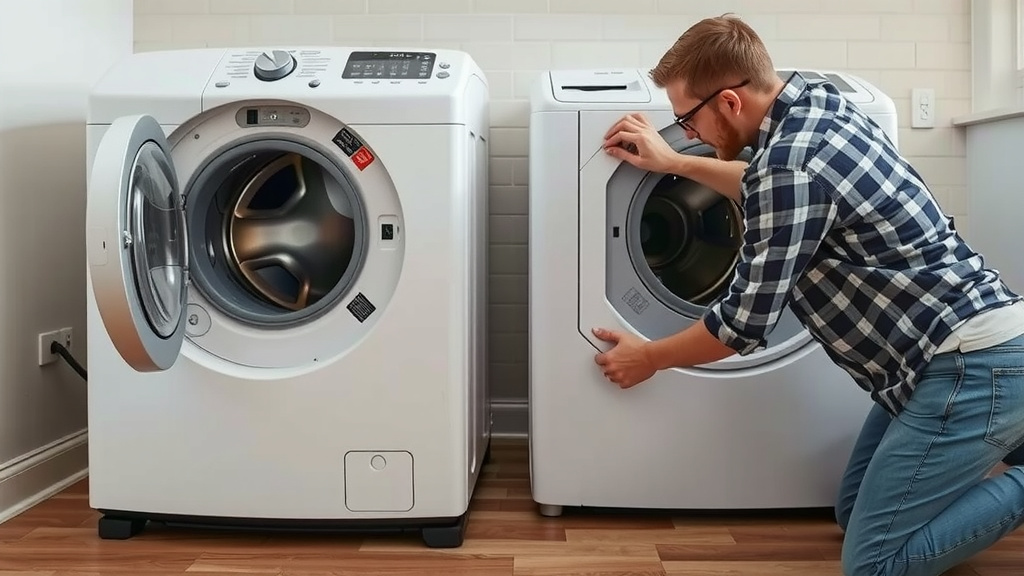
With all connections detached and the drum secured, you can now carefully tilt the washer back slightly. This allows you to get a dolly or hand truck underneath it. Place the dolly as far under the machine as possible for stability.
Sliding with Caution
Gently pull the washer onto the dolly. You might need to lift one side at a time. Once it’s balanced on the dolly, you can carefully wheel it away from its spot. If you don’t have a dolly, you and your helper can try to slide it. Place thick towels or furniture sliders under the front corners to help it glide across the floor. Always move slowly and deliberately. You don’t want to scratch your flooring!
A Quick Checklist for a Smooth Removal
Let’s recap the most important steps to ensure you don’t miss anything:
- Confirm both hot and cold water supplies are off.
- Drain as much water as possible from the hoses and machine.
- Unplug the power cord completely.
- Disconnect all water and drain hoses.
- Install shipping bolts if you have them.
- Use a dolly or get help to slide the washer out.
Conclusion
You’ve successfully navigated the steps to remove your front load washer! By turning off the water, draining the machine, and securing the drum, you’ve set yourself up for a smooth move. Remember, safety and preparation are your best allies here. Don’t hesitate to ask for that extra pair of hands – it truly makes all the difference.
Now that your old washer is out of the way, you’re ready for the next step, whether that’s installing a new one or simply clearing out the space. You’ve got this!
Frequently Asked Questions
What if I can’t find the shipping bolts for my washer?
If you can’t locate your washer’s shipping bolts, don’t panic. While they are highly recommended for protecting the drum during transport, many people successfully move their machines without them. Your best bet is to move the washer slowly and carefully to minimize any potential jostling.
How much residual water should I expect when disconnecting hoses?
You should expect a small amount of residual water, usually no more than a cup or two, when disconnecting the hoses. Having a shallow pan and plenty of towels ready is key to catching these drips and keeping your floor dry. This is a normal part of the process.
Is it safe to move a washing machine on my own?
It is strongly recommended that you do not move a front load washer on your own. These machines are very heavy and awkward to handle. Enlisting the help of at least one other person is essential for your safety and to prevent damage to your floors or the appliance itself.
Can I use a standard dolly or do I need a special appliance dolly?
A standard, sturdy dolly or hand truck will work well for moving your front load washer. Ensure the dolly is rated for the weight of the appliance. The key is to get the dolly positioned securely underneath the machine before attempting to tilt and move it.
What should I do if I encounter a stubborn water valve?
If a water valve is difficult to turn, avoid forcing it, as you could damage it. You may need to apply gentle, steady pressure. If it still won’t budge, consider turning off the main water supply to your home as a precaution before proceeding with disconnecting the hoses.