Refresh Towels: Front Load Washer Secrets
Yes, you can refresh your towels in a front-load washer to make them feel new again. The best method involves a hot water wash with a bit of white vinegar. This is a simple fix for towels that feel stiff, smell musty, or just aren’t as soft as they used to be. You’ll be surprised at how effective this is for restoring their plushness and absorbency.
Over time, detergent and fabric softener can build up on towel fibers. This buildup is what causes them to become less soft and less absorbent. Many people also struggle with lingering odors, especially in humid environments. Refreshing your towels regularly means your bathroom always feels a little more spa-like and your towels are truly ready to do their job.
- Use hot water for the best results.
- Add white vinegar to the fabric softener compartment.
- Skip the fabric softener for this cycle.
- A second rinse cycle can help ensure all vinegar is gone.
- Dry towels thoroughly on a medium heat setting.
Let’s walk through exactly how to get your towels feeling soft and fresh again, step by step.
Restoring Your Towels’ Softness in a Front-Load Washer
You can absolutely refresh your towels in a front-load washer. It’s a simple process. This method helps banish stiffness and odors. You’ll make them feel like new again. Let’s get started on bringing that spa-like softness back to your bath towels. Your skin will thank you for it!
Why Do Towels Lose Their Softness?
Ever notice your towels feel a bit rough after a while? There’s a reason for that. Detergent and fabric softener can leave behind a waxy buildup. This coating clings to the towel fibers. It prevents them from absorbing water well. It also makes them feel stiff and less fluffy. Think of it like a clogged drain for your towels. Many experts agree this buildup is the main culprit (Good Housekeeping).
This buildup isn’t just about feel. It affects performance too. Less absorbency means more drying time for you. Stiff towels can also feel less pleasant against your skin. We all want that cozy, fluffy towel feeling after a shower, right? Fortunately, you can combat this effectively. We’ll show you how to clear that buildup.
The Role of Hard Water
Another factor can be your water. Hard water contains high mineral content. These minerals can deposit on your towels. This makes them feel rough and look dingy. Over time, this can really take a toll on softness. If you have hard water, refreshing your towels becomes even more important.
The Simple White Vinegar Refresh Method
Ready for the magic ingredient? It’s likely already in your pantry. White vinegar is a fantastic natural cleaner and softener. It helps break down that detergent buildup. It also tackles odors without harsh chemicals. This makes it a favorite for refreshing laundry. Many cleaning guides recommend it for laundry tasks (The Spruce).
Vinegar is acidic. This acidity cuts through the alkaline residue from detergents. It also helps to neutralize odors. So, it tackles both the stiffness and any lingering smells. You won’t end up with a vinegar smell, promise! It rinses out completely.
What You’ll Need
Gather your supplies before you begin. You won’t need much. Most of these items are probably already on hand:
- Your front-load washing machine.
- Your load of towels needing a refresh.
- White distilled vinegar (standard household variety).
- Your washing machine’s fabric softener dispenser.
Step-by-Step Towel Refresh Process
Following these steps will make a noticeable difference. Treat your towels right, and they’ll treat you right!
Step 1: Load Your Towels
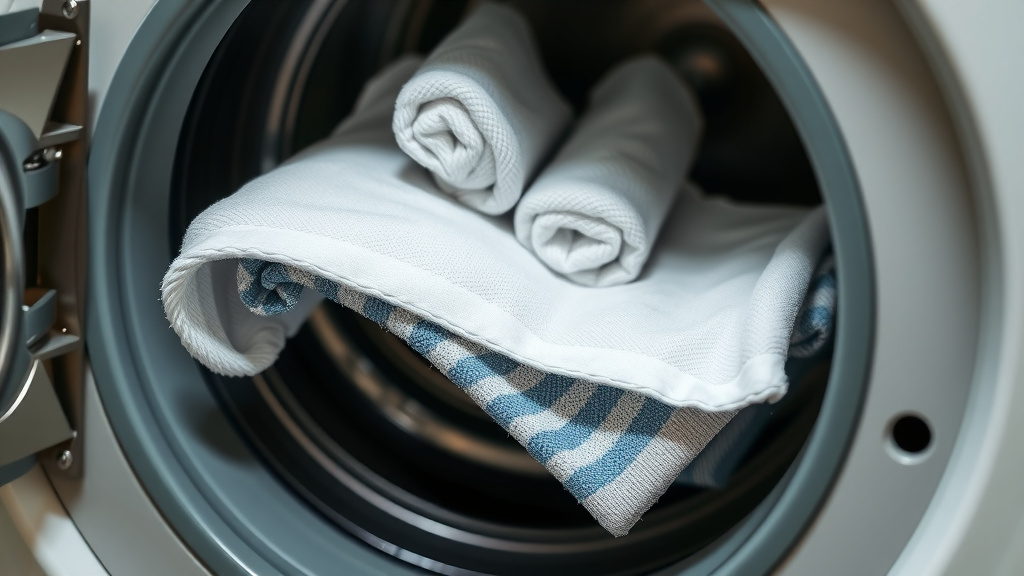
Start by loading your front-load washer. Don’t overcrowd the machine. Towels need room to move freely. This allows for better cleaning and rinsing. A good rule of thumb is to load them loosely. About three-quarters full is ideal. Overloading can prevent proper water circulation.
Step 2: Add the White Vinegar
Now, locate your washer’s fabric softener dispenser. You’ll pour the white vinegar here. Measure out about 1/2 cup to 1 cup of vinegar. The exact amount can depend on your load size. For a standard load, 1/2 cup is often sufficient. For a larger or very stiff load, go for 1 cup. This compartment releases the liquid during the rinse cycle.
Step 3: Select the Right Wash Cycle
This is important for getting the best results. Choose the hot water setting for your wash cycle. Hot water is more effective at breaking down residue. It also helps kill any odor-causing bacteria. Many washing machine manuals suggest hot water for sanitizing laundry (General Electric Appliances).
For the cycle type, a normal or heavy-duty cycle usually works best. This ensures adequate agitation. It allows the hot water and vinegar to work their magic. Make sure to check your washer’s manual for specific recommendations.
Step 4: Skip the Fabric Softener and Detergent (for this cycle)
For this special refresh cycle, you’ll skip the usual detergent and fabric softener. The vinegar is doing the heavy lifting today. Adding detergent might create too many suds. It could also counteract the vinegar’s effects. We are cleaning off buildup, not adding more products.
Step 5: Run the Wash Cycle
Start the washing machine and let it run its full course. The vinegar will be released during the rinse cycle. This is when it works to soften the fibers. It also helps rinse away any remaining detergent or mineral deposits. You should notice a faint vinegar smell if you’re near the machine.
Step 6: Consider an Extra Rinse (Optional but Recommended)
To ensure all vinegar is completely rinsed out, you can add an extra rinse cycle. Most front-load washers have this option. Select it before starting the main wash. This step guarantees no lingering vinegar scent remains. It also helps remove any loosened residue from the drum.
Step 7: Dry Your Towels
Once the wash cycle is complete, move your towels to the dryer. Use a medium heat setting. High heat can be too harsh on towel fibers. It can lead to premature wear and stiffness. Medium heat is usually effective for drying without causing damage.
Don’t over-dry them! Remove towels when they are just slightly damp. Allowing them to air dry for a few minutes can enhance softness. This prevents them from becoming too stiff. Properly dried towels will feel wonderfully plush.
A Simple Checklist for Refreshing Towels
Keep these key points in mind for your next towel refresh:
- Load towels loosely in the washer.
- Pour 1/2 to 1 cup of white vinegar into the fabric softener dispenser.
- Wash on a hot water setting.
- Skip detergent and fabric softener for this wash.
- Use medium heat to dry your towels.
- Remove towels while slightly damp.
What Not To Do When Refreshing Towels
There are a few common mistakes to avoid. These can actually make your towels worse:
Don’t Use Bleach or Fabric Softener
Bleach can degrade towel fibers over time. It also doesn’t help with the stiffness issue. Fabric softener, as we’ve discussed, actually contributes to buildup. It creates a coating that reduces absorbency and softness. Save these for your regular laundry loads, if you use them at all.
Don’t Use High Heat for Drying
High heat in the dryer can damage the cotton fibers. It makes them brittle and rough. This is counterproductive to softening them. Stick to medium heat or even an air-fluff setting if your dryer has one.
Don’t Wash Towels with Other Laundry
Towels are linty. They can transfer lint to other clothing items. Washing them separately ensures they get the attention they need. It also prevents lint transfer. Plus, you can use the hot water setting more freely.
When to Consider a Different Approach
This vinegar method is very effective for most common issues. However, if your towels are still stiff after trying this, it might be time for new ones. Towels do have a lifespan. If they are very old or heavily worn, they might be beyond refreshing. Look for signs of fraying or thinning fibers.
Signs It’s Time for New Towels
Your towels might be ready for retirement if:
- They feel papery or thin.
- They have lost a lot of their fluffiness.
- They still don’t absorb water well, even after refreshing.
- They have persistent odors that won’t go away.
- They show signs of significant wear, like frayed edges or holes.
Conclusion
You’ve learned how to effectively banish stiffness and odors from your towels using a simple white vinegar refresh in your front-load washer. By avoiding harsh chemicals and fabric softener buildup, you’re giving your towels a chance to regain their original softness and absorbency. This method is a fantastic way to extend the life of your towels and bring a bit of that spa-like feeling back to your bathroom. Ready to try it? Next time your towels feel less than fluffy, grab that bottle of white vinegar and give them the refreshing soak they deserve.
Frequently Asked Questions
Can I use regular vinegar instead of white vinegar?
It’s best to stick with plain white distilled vinegar. Other types of vinegar, like apple cider or balsamic, can potentially stain your towels. White vinegar is the most effective for cleaning laundry without leaving color behind.
How often should I refresh my towels with vinegar?
You can refresh your towels with vinegar about once a month, or whenever you notice them becoming stiff or losing absorbency. Overdoing it might not be necessary and could lead to a faint vinegar scent if not rinsed thoroughly.
What if I don’t have a fabric softener dispenser?
If your washer lacks a dedicated dispenser, you can add the white vinegar directly into the drum during the rinse cycle. Wait until the machine has filled with water and is about to begin its wash or rinse phase.
Will my towels smell like vinegar after this wash?
No, they shouldn’t. The vinegar is designed to break down odors and buildup, and it rinses out completely during the wash and extra rinse cycles. You should only notice a very faint, if any, vinegar scent while the machine is running.
Is it safe to use hot water for all my towels?
Generally, yes, especially for cotton towels. Hot water is key to breaking down detergent residue and sanitizing. However, always check the care label on your towels. Some delicate blends or colored towels might require cooler water settings.