How Washer Dryer Combos Work: A Simple Guide
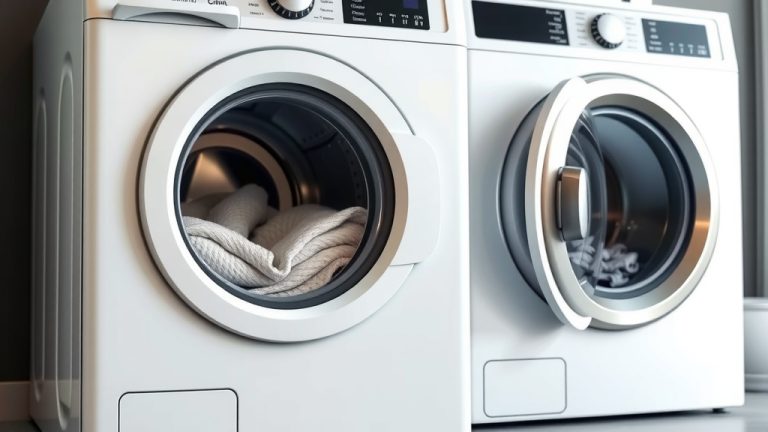
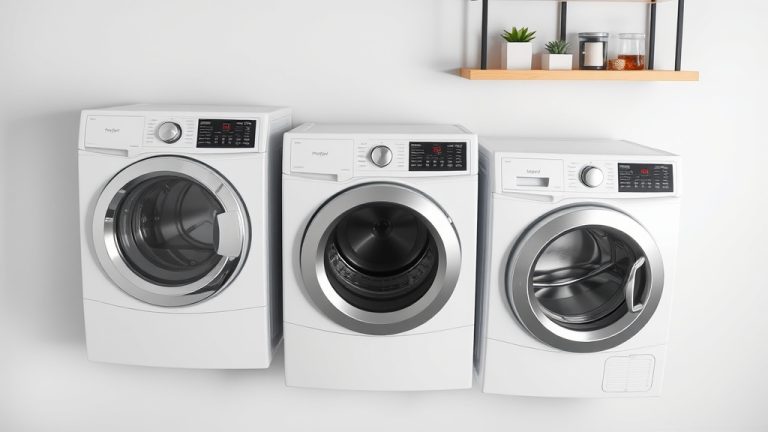
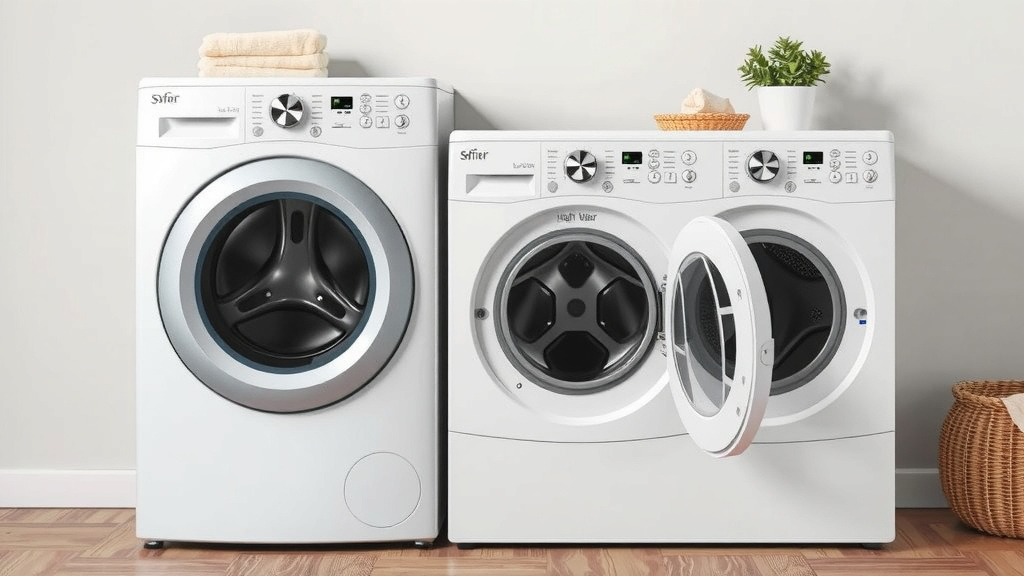
A washer dryer combo works by performing both washing and drying functions in a single, compact unit. It uses a drum that spins to wash clothes with water and detergent, then heats the drum and tumbles the clothes to dry them, all in the same machine. This makes them a space-saving solution for many homes.
You might be wondering if these all-in-one appliances are really as effective as separate units. We found that while they offer incredible convenience, their capacity and drying times can differ from traditional machines. Understanding how they operate helps you manage expectations and get the best results from your combo unit.
- They wash and dry clothes in one drum.
- Water and detergent clean your clothes.
- Heat and tumbling dry them afterwards.
- Great for small spaces and apartments.
- Convenient but may have longer cycles.
Let’s walk through exactly how this space-saving appliance handles your laundry from dirty to dry, step by step.
How a Washer Dryer Combo Works Its Magic
So, you’re curious about these all-in-one laundry wizards? We understand! A washer dryer combo tackles your dirty clothes by doing the washing and drying, all within the same drum. It’s like a two-in-one shampoo and conditioner, but for your garments.
The Washing Cycle: Getting Down to Business
First, your clothes are loaded into the drum. You add your detergent, just like you would in a regular washer. The machine then fills with water, and the drum begins to spin. This tumbling action, combined with the water and detergent, works to lift dirt and stains from your fabrics. It’s a pretty standard wash process, really.
Water Inlet and Drum Movement
The machine draws water from your home’s supply line. It controls the amount of water based on the load size and the wash cycle you select. The drum’s rotation is key here. It lifts the clothes, allowing them to be saturated by the soapy water, and then drops them back down. This creates friction between the clothes, helping to scrub them clean (University of Kentucky Cooperative Extension Service).
Detergent Dispensing
Most combo units have a dispenser drawer where you put your detergent and fabric softener. The machine releases these at the appropriate times during the wash cycle. Make sure you’re using the right type of detergent – high-efficiency (HE) detergents are usually recommended for these machines.
The Drying Phase: Switching Gears
Once the wash cycle is complete, the magic really happens. The machine doesn’t drain the water and then reload for drying. Instead, it transitions directly into the drying mode. This is where things get a little different from your standard separate dryer.
Heating and Tumbling
The machine heats the air inside the drum. This hot air circulates around your wet clothes as the drum continues to tumble. The tumbling action ensures that the hot air reaches all parts of your laundry, helping to evaporate the moisture. It’s this combination of heat and tumbling that dries your clothes.
Condensing vs. Venting: A Key Difference
This is where we find a major distinction. Unlike traditional dryers that vent hot, moist air outside your home, most washer dryer combos use a condensing drying system. How does that work? Well, as the hot air tumbles with your clothes, it picks up moisture. Then, the machine cools this air, causing the moisture to condense into water. This water is then drained away, either into your machine’s drain hose or sometimes collected in a small internal reservoir that you’ll need to empty periodically.
Some higher-end models might offer a venting option, but the majority rely on this condensing method. This means you don’t need an external vent kit, which is a huge plus for apartments or homes where venting is difficult or impossible. However, research shows that condensing dryers can sometimes take longer to dry clothes than vented dryers (U.S. Department of Energy).
The Control Panel: Your Command Center
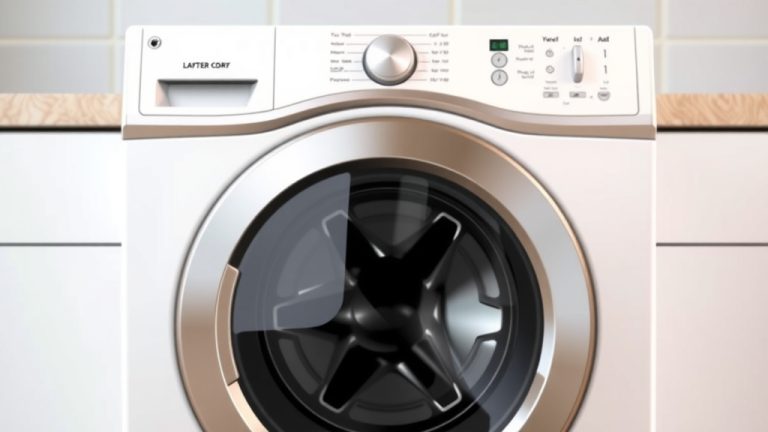
Operating a washer dryer combo is usually quite straightforward. You’ll find a control panel with various settings for both washing and drying. Many units offer pre-set cycles that combine both functions. For example, you might select a “Wash & Dry” cycle for a specific fabric type, like cotton or delicates.
Selecting Cycles and Options
You can typically choose:
- Wash Cycles: Normal, delicates, heavy duty, quick wash, etc.
- Water Temperature: Hot, warm, cold.
- Spin Speed: Higher speeds extract more water, leading to faster drying.
- Drying Level: Some allow you to select how dry you want your clothes – “cool dry,” “very dry,” or “iron dry.”
- Drying Time: You can often set a specific drying time.
Many modern units also feature smart technology, allowing you to control them via a smartphone app. This can be handy for starting a cycle remotely or receiving notifications when your laundry is done.
Capacity Considerations: What to Expect
One of the biggest differences you’ll notice is the capacity. Washer dryer combos are generally smaller than separate washing machines and dryers. This means you might need to do smaller loads more frequently.
For instance, a machine that can wash 15 pounds of clothes might only effectively dry 8 pounds. Many manufacturers recommend washing a full load but only drying about half of it at a time. You’ll need to remove the excess clothes and dry them separately in a traditional dryer if you have one, or run a second drying cycle for the remaining clothes after the first load is dry. This is a common finding from appliance reviews.
A Typical Combo Cycle: Step-by-Step
Let’s imagine you’re doing a load of everyday clothes. Here’s what the machine typically does:
- Add Clothes and Detergent: Load your laundry and detergent.
- Select Cycle: Choose a “Wash & Dry” setting, perhaps for “Normal” fabrics.
- Washing: The machine fills with water, tumbles your clothes with detergent, rinses them, and spins out excess water.
- Drying: The machine heats the air and tumbles the clothes to remove moisture through condensation.
- Cool Down: The drum might tumble for a few minutes with cool air to prevent wrinkles.
- End of Cycle: The machine signals that your laundry is clean and dry.
This entire process can take anywhere from 3 to 8 hours, depending on the load size, fabric type, and selected settings. It’s definitely longer than using separate machines, but the convenience factor is undeniable.
When to Consider a Combo Unit
These machines are fantastic for specific situations. They are ideal for:
- Small Apartments: Where space is extremely limited.
- RVs and Tiny Homes: Maximizing functionality in minimal space.
- Guest Houses or Secondary Laundry Areas: A convenient option for occasional use.
- People Who Hate Moving Laundry: If the thought of transferring wet clothes to a dryer is a chore.
Research from appliance experts often highlights their space-saving nature as the primary benefit.
A Quick Checklist for Your Combo Laundry Day
To get the best results from your washer dryer combo, keep these tips in mind:
- Always check the manufacturer’s capacity recommendations for washing AND drying.
- Use only HE detergent to avoid excessive suds.
- Don’t overload the machine; it hinders both washing and drying effectiveness.
- Consider separating large items like bedding from smaller clothes for optimal drying.
- Clean the lint filter (if applicable) and the drain pump filter regularly.
- Allow the machine to cool down between cycles if running multiple loads back-to-back.
By understanding how these units work, you can better manage your expectations and enjoy the convenience they offer!
Conclusion
You’ve learned how a washer dryer combo ingeniously combines washing and drying within a single drum. We’ve seen how it uses water and detergent for cleaning, then heat and tumbling, often via condensation, to dry your clothes. While they offer amazing space-saving convenience and are perfect for smaller living spaces, remember that load capacities and cycle times can differ from separate units. To get the best out of yours, always pay attention to the manufacturer’s recommendations for load size and detergent type. Now that you understand the mechanics, you’re ready to make informed laundry choices!
Frequently Asked Questions
How does a washer dryer combo dry clothes without a vent?
Most washer dryer combos use a condensing drying system. This means they heat the air inside the drum to dry clothes, and then cool that moist air to condense the water. This water is then drained away, just like wash water, so you don’t need an external vent.
Can I wash and dry a full load of laundry at once?
Generally, no. While you can wash a full load, most combo units recommend drying only about half that amount. Exceeding the drying capacity can lead to longer drying times and clothes that are still damp.
How long does a full wash and dry cycle typically take?
A complete wash and dry cycle can take a significant amount of time, often ranging from 3 to 8 hours. This is longer than using separate machines, but the convenience of not having to switch loads is the main draw.
What kind of detergent should I use in a washer dryer combo?
You should almost always use high-efficiency (HE) detergent. These detergents produce fewer suds, which is essential for combo units as excessive suds can interfere with the washing and drying performance and potentially damage the machine.
Will my clothes shrink in a washer dryer combo?
Shrinkage can occur in any laundry appliance if the wrong settings are used. Always check the garment’s care label and select appropriate wash and dry cycles on your combo unit, such as “delicates” or “low heat,” to minimize the risk of shrinking your clothes.