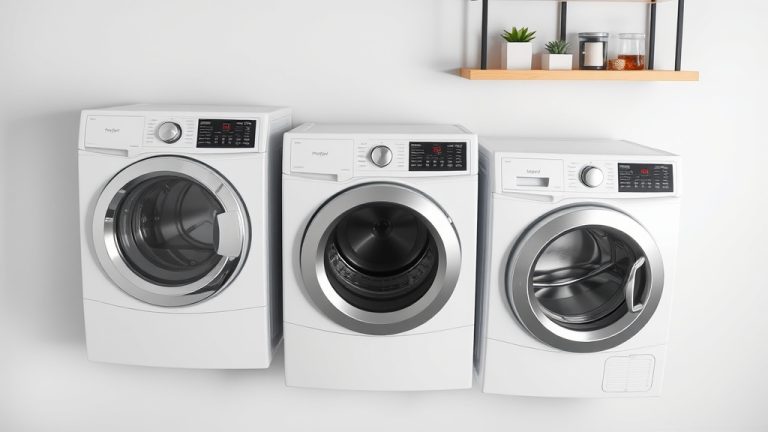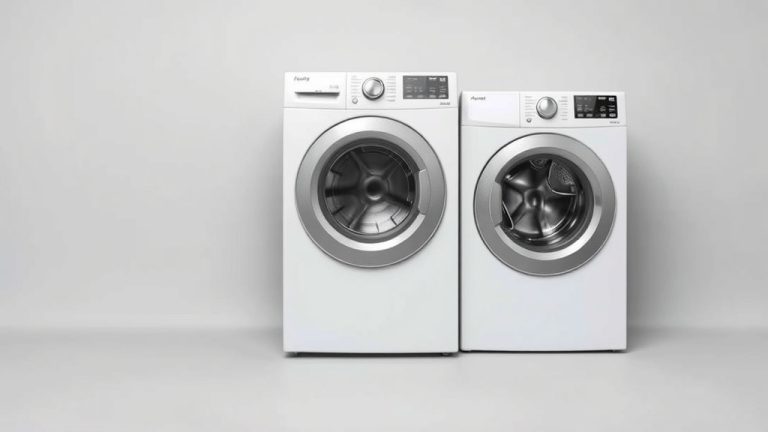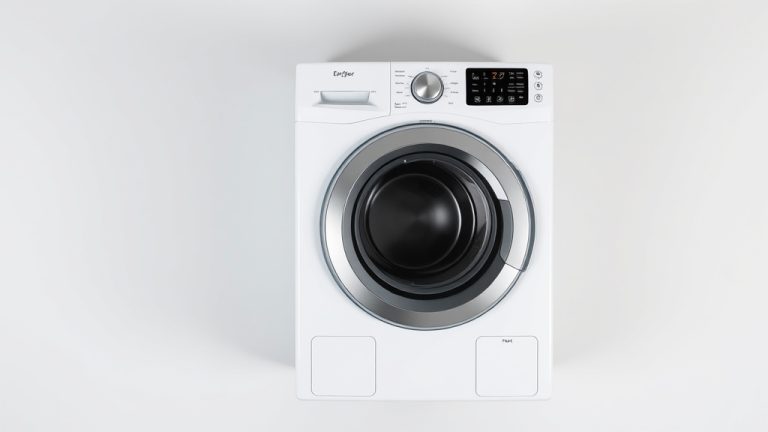
Best Front Load Washer Guide: Your Top Picks
Choosing the right front load washer depends on your specific needs, budget, and desired features. The best option for you will likely offer a good balance of cleaning performance and energy efficiency. Consider models with large capacities if you do a lot of laundry or wash bulky items like bedding.
When looking for a new front load washer, think about what matters most to your household. Are you focused on saving water and electricity? Or is cycle time your biggest concern? We found that many newer models come with advanced features like steam cleaning and smart technology, which can really enhance your laundry routine.
- Capacity: Match it to your household size.
- Energy Efficiency: Look for ENERGY STAR certified models.
- Special Features: Consider steam, sanitizing, or smart options.
- Noise Level: Check reviews for quiet operation.
- Budget: Front loaders range widely in price.
Let’s walk through the key factors to consider so you can confidently pick the perfect front load washer for your home.
Choosing Your Next Front Load Washing Machine
Selecting the right front load washer involves a few key considerations. We’ve researched what matters most to homeowners. Our findings point to balancing cleaning power with efficient operation. Think about your laundry habits and household needs. This guide will help you pinpoint the perfect machine.
Capacity: How Much Laundry Do You Tackle?
The first big question is size. How much laundry do you typically wash in a week? A good rule of thumb is to match the washer’s capacity to your household size. This helps you avoid unnecessary extra loads.
Small Households (1-2 People)
For one or two people, a smaller capacity machine might be sufficient. Look for models around 2.0 to 3.5 cubic feet. These can handle everyday loads without issue. They also tend to be more energy efficient.
Medium Households (3-4 People)
Most families fall into this category. A mid-size washer, between 3.5 to 4.5 cubic feet, is often ideal. You can wash larger loads, including family-sized bedding. It’s a good balance for most homes.
Large Households (5+ People) or Bulky Items
If you have a big family or frequently wash king-size comforters and large blankets, you’ll want a large capacity washer. Aim for 4.5 cubic feet or more. Some models even offer up to 6.0 cubic feet or higher. This size can significantly cut down on laundry days.
Energy and Water Efficiency: Saving Money and the Planet
Front load washers are generally more efficient than their top load counterparts. They use less water and energy. This is a big win for your utility bills and the environment.
ENERGY STAR Certification
Always look for the ENERGY STAR label. Certified appliances meet strict energy efficiency guidelines set by the U.S. Environmental Protection Agency. This means they use significantly less energy and water than standard models. According to ENERGY STAR, certified washers can save households hundreds of dollars over the product’s lifetime.
Water Usage
Front loaders are designed to tumble clothes through a small amount of water. This is much less than older top loaders that fill the entire tub. You’ll notice a big difference in your water bill. Some models even have sensors that adjust water levels based on load size.
Key Features to Consider
Beyond capacity and efficiency, many advanced features can make your laundry life easier. Think about what would genuinely benefit your routine.
Wash Cycles and Options
Most front loaders come with a variety of cycles for different fabrics and soil levels. Common options include:
- Normal/Cotton
- Delicates
- Heavy Duty
- Quick Wash
- Sanitize
- Allergen
Steam Cleaning Technology
Steam cleaning is a popular feature. It uses steam to penetrate fabrics. This helps remove tough stains and odors without harsh chemicals. It can also help reduce wrinkles. Many experts suggest steam is excellent for deep cleaning and sanitizing.
Smart Technology and Connectivity
Yes, even your washing machine can be smart now! Many newer models connect to your home Wi-Fi. You can control them via a smartphone app. This allows you to start, stop, and monitor cycles remotely. You might even get notifications when a load is finished. This feature is handy if you’re often on the go.
Quiet Operation
Are you sensitive to noise? Washing machines can be loud. We found that many manufacturers are focusing on quiet operation. Look for models with features like vibration reduction systems or quieter motors. Reading user reviews can give you a good idea of how noisy a machine is in real-world use.
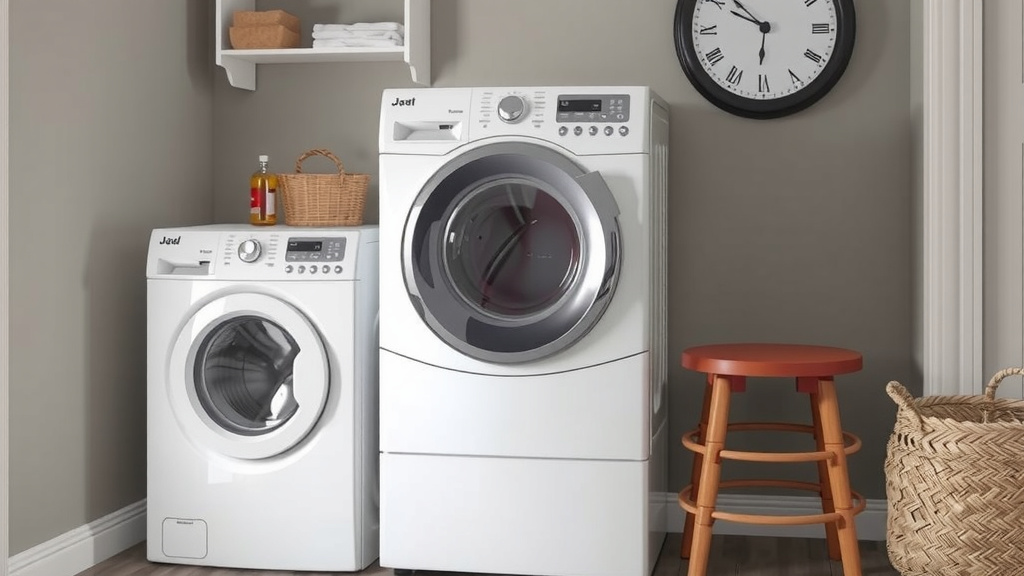
Understanding Washer Dimensions and Installation
Before you buy, measure your space. You need to ensure the washer will fit. Don’t forget to account for door swing and clearance for hoses.
Standard vs. Compact Sizes
Most front load washers are standard width, typically around 27 inches. However, compact models are available for smaller spaces, often around 24 inches wide. Always check the product specifications for exact dimensions.
Stacking Options
A great benefit of front load washers is their ability to be stacked with a matching dryer. This is a fantastic space-saving solution for apartments or small laundry rooms. You’ll need a stacking kit, which is usually sold separately.
Your Front Load Washer Checklist
To help you decide, here’s a quick checklist. Tick off what’s most important for your needs:
- Does the capacity match your household size?
- Is it ENERGY STAR certified?
- Do the wash cycles fit your laundry needs?
- Are advanced features like steam or smart tech a priority?
- Does it fit your available space?
- Does it fit your budget?
Budget and Long-Term Value
Front load washers can range from around $700 to $1,500 or more. While a higher price tag often means more features and better efficiency, it’s not always the case. Research brands known for reliability and customer satisfaction. Consider the long-term savings from energy efficiency. A well-chosen machine can last 10-15 years.
| Price Range | Typical Features | Best For |
|---|---|---|
| $700 – $900 | Basic cycles, good efficiency, moderate capacity. | Budget-conscious buyers needing core functionality. |
| $900 – $1200 | More cycle options, steam, enhanced quiet operation, higher capacity. | Families wanting more convenience and better stain removal. |
| $1200+ | Smart connectivity, specialized cycles, advanced sanitation, premium materials. | Tech enthusiasts and those seeking top-tier performance. |
Conclusion
You’re now ready to choose the perfect front load washer for your home. Remember to match the capacity to your family size and prioritize ENERGY STAR certification for long-term savings. Consider which special features, like steam or smart technology, will truly simplify your laundry routine. Measure your space carefully and keep your budget in mind. Your next step is to browse models that fit these criteria and read recent user reviews. With this information, you can confidently invest in a washer that cleans effectively and efficiently for years to come.
Frequently Asked Questions
How often should I clean my front load washer?
We found that it’s a good idea to clean your front load washer at least once a month. This helps prevent mold and mildew buildup, especially in the door seal. Running a hot water cycle with a washing machine cleaner or vinegar can keep it fresh.
Can I use regular detergent in a front load washer?
No, you should always use HE (High Efficiency) detergent in your front load washer. These detergents are specifically formulated to create less suds. Using regular detergent can cause too much foam, leading to poor rinsing and potential damage to your machine.
What is the typical lifespan of a front load washer?
With proper care and maintenance, research suggests that a front load washer can last between 10 to 15 years. Regular cleaning, using the right detergent, and avoiding overloading the machine will help extend its operational life.
Are front load washers more expensive to repair than top loaders?
Generally, front load washers can sometimes be more expensive to repair due to their complex internal components and electronics. However, their overall efficiency and gentler washing action often lead to fewer repairs over their lifespan compared to some older top load models.
Is it worth getting a smart front load washer?
Whether a smart washer is worth it depends on your lifestyle. If you value the convenience of controlling your laundry remotely, receiving notifications, or diagnosing issues via an app, then yes. For many, the core functions of washing clothes are sufficient, making the added cost for smart features unnecessary.