Gas Washer and Dryer Explained: What You Need to Know
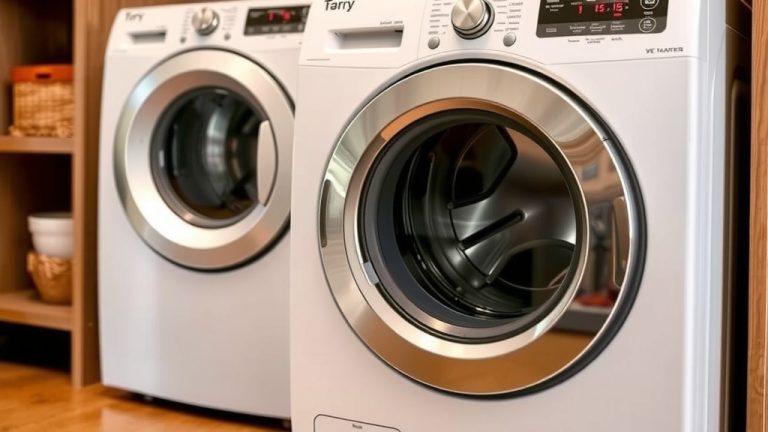
A gas washer and dryer is a laundry appliance set that uses natural gas or propane to heat the air for drying clothes. Unlike electric models, gas dryers heat up much faster. This means they can dry your clothes in less time. Many households prefer them for their efficiency and speed.
You might be wondering if a gas setup is right for your home. Gas appliances generally have lower operating costs than their electric counterparts. This can add up to savings over the years. It’s a common choice for those looking for cost-effective laundry solutions.
- Gas washer and dryer sets use natural gas/propane for heat.
- They dry clothes faster than electric models.
- Gas dryers often have lower running costs.
- They can be a more economical choice long-term.
Below, we’ll break down exactly what a gas washer and dryer entails and what you need to consider when choosing one for your home.
Understanding Your Gas Laundry Set
So, you’re curious about gas washer and dryer combinations? That’s a smart move! Understanding how these appliances work can help you make the best choice for your home. A gas laundry set typically consists of a washing machine and a separate dryer that uses natural gas or propane for its heating element. The washer functions much like any other washing machine, using water and detergent to clean your clothes. The real magic happens in the dryer.
Instead of an electric heating coil, a gas dryer burns a small amount of natural gas or propane to generate heat. This hot air is then circulated through the drum, tumbling with your wet clothes to evaporate moisture. Many people find this process much quicker than electric drying. This speed can be a real lifesaver on busy laundry days!
How a Gas Dryer Works: The Heat Source
The core difference between gas and electric dryers lies in their heating mechanism. A gas dryer has a burner assembly. When you select a drying cycle, a small amount of gas is ignited to produce a flame. This flame heats a large volume of air. This heated air is then blown into the dryer drum. The process is quite efficient at removing moisture.
Think of it like a powerful, controlled hairdryer for your clothes. The gas is burned safely within a combustion chamber, and only the hot air enters the drum. This is a key reason why gas dryers are often perceived as being more powerful. The heat they generate is quite intense.
Natural Gas vs. Propane
If you’re considering a gas dryer, you’ll need to know which type of gas is available to you. Most homes connected to a municipal utility have access to natural gas. This is delivered directly to your home through underground pipes. It’s generally the most cost-effective option if available.
If your home isn’t connected to natural gas lines, you’ll likely use propane. Propane is stored in a tank on your property, which is refilled by a delivery service. While propane is also an effective heat source, it can sometimes be more expensive than natural gas. You’ll need to ensure you have the correct gas line hookup for your chosen dryer type.
The Gas Washer Component
Now, let’s talk about the washer. It’s important to clarify that the “gas” in a gas washer and dryer set refers *only* to the dryer’s heating source. The washing machine itself operates on electricity, just like any other washing machine. It uses electricity to power the motor that agitates your clothes, pumps water, and spins the drum.
So, when you’re looking at a gas laundry pair, the washer will need a standard electrical outlet. The dryer, however, will require both an electrical outlet (to power the drum, controls, and fan) and a gas hookup. It’s a common point of confusion, but the washer is always electric!
Why Choose a Gas Dryer? The Benefits You’ll Love
The appeal of gas dryers is multifaceted. One of the biggest draws is their speed. Research and industry testing consistently show that gas dryers can dry loads faster than their electric counterparts. This is directly related to how quickly gas can generate high heat. You might find yourself spending less time waiting for laundry to finish.
For a busy household, this time savings can be substantial. Imagine getting that sports uniform dry just in time for practice or a favorite outfit ready for an evening out. Faster drying cycles mean more time for you to do other things you enjoy. It’s a simple but powerful convenience.
Cost Savings Over Time
While the initial purchase price might be similar to electric models, gas dryers often boast lower operating costs. This is because natural gas is typically cheaper per unit of energy than electricity. Even with propane, the cost-effectiveness can still be favorable compared to high-wattage electric heating elements. Over the lifespan of the appliance, these savings can add up.
We found that many studies suggest the ongoing energy costs for gas dryers are indeed lower. For example, the U.S. Department of Energy has noted that gas dryers often use less energy overall for drying a load of clothes. This makes them a more economical choice for many households, especially those who do a lot of laundry.
Environmental Considerations
From an environmental standpoint, gas dryers can be a mixed bag. While they burn fossil fuels, the actual amount of gas consumed is relatively small, especially in newer, more efficient models. Some energy experts point out that the overall carbon footprint can be lower than that of some electric dryers, particularly in regions where electricity is generated from non-renewable sources.
However, it’s also true that burning fossil fuels releases greenhouse gases. If your home’s electricity comes primarily from renewable sources like solar or wind, an electric dryer might have a smaller environmental impact. It really depends on your local energy grid. Many newer models are designed with energy efficiency in mind, regardless of fuel source.
What You Need for a Gas Washer and Dryer Setup
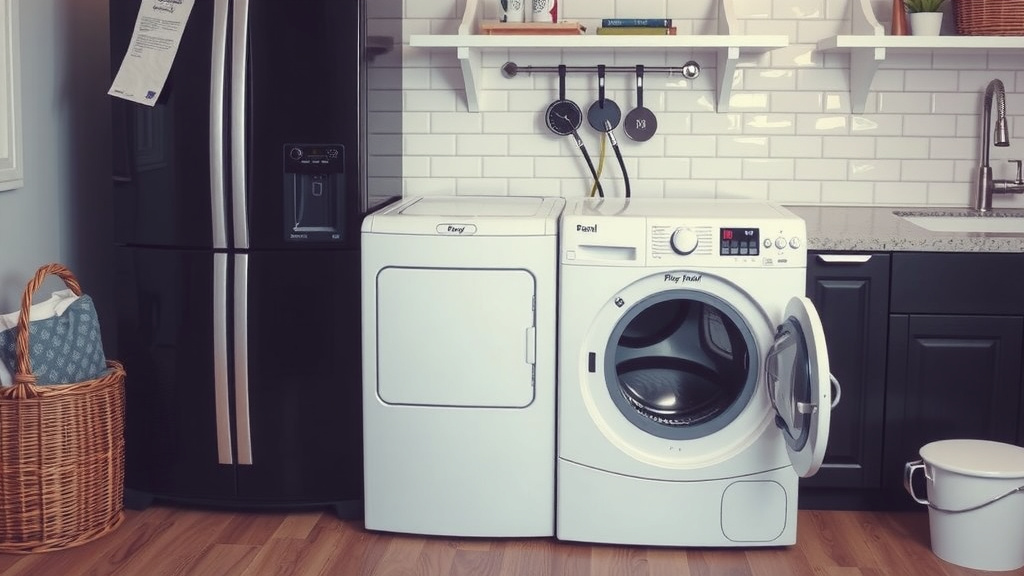
Before you bring home that shiny new gas dryer, there are a few essential things you’ll need to have in place. This preparation ensures a smooth installation and safe operation. You can’t just plug it in and turn on the gas!
Gas Line Connection
The most critical requirement is a dedicated gas line. This line needs to be properly sized and connected by a qualified professional. It’s not a DIY job, as improper gas connections can be extremely dangerous. Your appliance installer or a licensed plumber will handle this. They’ll ensure it meets all local building codes and safety standards.
The gas line should be equipped with a shut-off valve for safety. This allows you to turn off the gas supply easily if you ever need to service the dryer or in case of an emergency. Ensure the connection is secure and leak-free. We recommend having this checked periodically as part of routine maintenance.
Ventilation is Key
Like all clothes dryers, gas dryers need to vent moist air and combustion byproducts outside your home. This is absolutely crucial for safety and efficiency. A blocked or improper vent can lead to moisture buildup, fire hazards, and even carbon monoxide risks.
You’ll need a dedicated dryer vent pipe. This pipe should be rigid or semi-rigid, not flexible vinyl tubing which can easily kink and trap lint. It should run as directly as possible to an exterior wall or roof. A professional installer will ensure the vent is properly sized, sealed, and terminates safely outdoors with a vent cap that prevents pests from entering.
Electrical Outlet
Don’t forget the electrical! As we mentioned, the dryer’s electronic controls, drum motor, and fan all require electricity. You’ll need a standard 120-volt grounded electrical outlet near the dryer. This is separate from the gas supply but equally important for the dryer’s operation.
Your washer will also need its own electrical outlet, typically located behind the washing machine. Ensure that your home’s electrical panel can handle the combined load of both appliances, along with everything else. An electrician can help you assess your electrical capacity if you have any concerns.
Proper Space and Location
You need adequate space for both the washer and dryer. Measure carefully before you buy! Allow for clearance around the appliances for airflow and access to hookups. Most manufacturers recommend a few inches of space behind each unit.
Consider the location carefully. It should be a level, stable surface. Proximity to the gas line, water supply (for the washer), drain, and the exterior vent termination point are all important factors. Many people install their laundry sets in basements, garages, or dedicated laundry rooms.
Installation Checklist: Are You Ready?
Here’s a quick checklist to see if you’re ready for a gas washer and dryer:
- Confirm availability of a natural gas line or space for a propane tank.
- Ensure you have a properly installed gas line with a shut-off valve.
- Verify you have a suitable location for a dryer vent to the outside.
- Check for a grounded 120-volt electrical outlet near the dryer’s position.
- Measure your space to ensure the appliances will fit with proper clearances.
- Consider the water supply and drain hookups needed for the washer.
Conclusion
You now understand that a gas washer and dryer set means a standard electric washer paired with a dryer that uses natural gas or propane for heat. These gas dryers offer faster drying times and can lead to lower operating costs over time compared to electric models. Before installation, ensure you have the necessary gas line connection, proper ventilation, and an adequate electrical outlet.
Ready to make the switch? Your next step is to assess your home’s current utility setup. Confirm you have access to natural gas or can accommodate a propane tank, and then consult with a qualified appliance installer to discuss the specifics of your space and ensure a safe, efficient setup. You’ll be enjoying quicker laundry days in no time!
Frequently Asked Questions
Can I use a gas dryer if my home only has electricity?
No, a gas dryer specifically requires a connection to a natural gas line or a propane tank. If your home doesn’t have access to gas utilities, you would need to consider a propane tank installation or opt for an all-electric dryer. You cannot convert a gas dryer to run on electricity.
How much faster is a gas dryer compared to an electric one?
While exact times vary by model and load size, research and consumer reports consistently show that gas dryers can dry clothes up to 20-30% faster than electric dryers. This is due to the higher and more consistent heat output gas can provide. You’ll notice less time waiting for your laundry to finish.
Is a gas dryer safe to have in my home?
Yes, gas dryers are very safe when installed and maintained correctly by qualified professionals. They have built-in safety features, including sealed combustion chambers and automatic shut-off valves. Proper venting is also crucial to safely exhaust combustion byproducts, preventing any safety risks.
What is the difference between natural gas and propane dryers?
The main difference is the fuel source and how it’s supplied. Natural gas comes from underground pipelines directly to your home. Propane is stored in a tank on your property, which needs to be refilled. Both provide heat effectively, but natural gas is typically less expensive if available.
Do I need a special electrical outlet for a gas dryer?
Yes, a gas dryer requires a standard 120-volt grounded electrical outlet. This outlet powers the dryer’s electronic controls, drum motor, and fan. It’s separate from the gas connection itself, which is also essential for the dryer’s heating function. Your washer will also need its own electrical outlet.