What is an Electric Washer and Dryer Explained
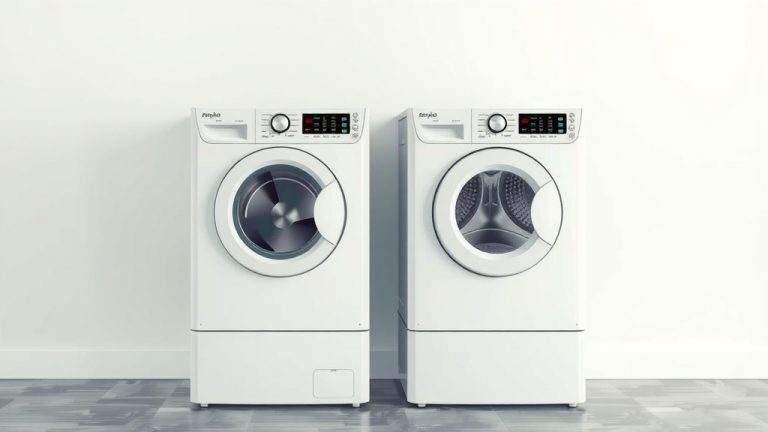
An electric washer and dryer Our guide to washing machine cost can help you understand pricing. is a home appliance set that uses electricity to wash your clothes and then dry them. These units are a common choice for many households because they are widely available and easy to install. They work by using electric power to heat water and tumble clothes for cleaning, then heat air for drying.
Unlike gas models, electric units don’t require a gas line to operate. This can make them a simpler option for homes that aren’t equipped with gas hookups. Many modern electric washers and dryers also come with energy-saving features to help reduce your utility bills.
- Washing machine that uses electricity for cleaning clothes.
- Dryer that uses electricity to tumble and heat clothes dry.
- No gas line needed, making installation easier for many homes.
- A popular and convenient laundry solution.
We found that understanding the basic differences can help you choose the right laundry pair for your needs. Let’s get into the details of how these electric workhorses function!
Understanding Your Electric Laundry Pair
So, you’re curious about electric washers and dryers? That’s great! These are the unsung heroes of many homes, silently working to keep your clothes fresh and clean. You might be wondering just how these appliances get the job done. Essentially, they’re just like their gas counterparts in function, but they rely solely on electricity to power their cycles. This makes them a fantastic option, especially if your home doesn’t have a natural gas hookup readily available. We found that this simplicity is a big draw for many homeowners.
How Does an Electric Washer Work?
Your electric washing machine is designed to clean your clothes efficiently. It uses electricity to power a motor that agitates or tumbles your clothes. This movement, combined with water and detergent, helps to lift dirt and stains away. The machine then drains the dirty water and spins your clothes at high speeds to remove excess moisture. This spinning action is key to getting your clothes ready for the next step.
The Washing Cycle Explained
Let’s break down what happens inside that drum. First, the washer fills with water. You can usually select hot, warm, or cold water, and the machine draws from your home’s hot and cold water supply. For hot or warm washes, the electric washer has a built-in heating element. This element heats the water to your desired temperature. Think of it like a giant kettle inside your machine! Many modern washers are quite smart about this, only heating the water if needed for the selected cycle, which can help save energy.
Once the water is at temperature, the machine adds detergent and begins the agitation. This is where the tumbling or swishing action begins. Clothes rub against each other and the drum walls, loosening dirt. After the wash cycle, the dirty water is pumped out. Then, a rinse cycle occurs, where clean water is added and agitated to remove any remaining soap and loosened grime. Finally, the high-speed spin cycle kicks in. This rapid rotation creates centrifugal force, pressing water out of your clothes. We found that the effectiveness of this spin cycle directly impacts how long your dryer will need to run.
The Role of the Electric Dryer
After your clothes are washed, they’re still quite damp. That’s where the electric dryer comes in. Its main job is to tumble your clothes in heated air until they are dry. It’s a straightforward process that relies on a few key components working together.
How Electric Dryers Heat Up
Unlike gas dryers that use a burner, an electric dryer uses an electric heating element. This element is similar to the one in your oven or a toaster, but much larger. When you select a drying cycle, electricity flows to this element, causing it to get very hot. A fan then circulates this hot air through the drum as it tumbles your clothes.
The tumbling action is essential. It ensures that all sides of your clothes are exposed to the heated air, promoting even drying. As the air circulates, it picks up moisture from your clothes. This moist air is then vented outside your home through a dryer vent hose. This constant flow of hot air and tumbling is what transforms damp laundry into warm, dry clothes, ready to be folded.
Understanding Dryer Controls and Features
Modern electric dryers offer a range of settings to suit different fabric types and your preferences. You’ll typically find options for different temperature settings, like high heat for sturdy fabrics like cotton or low heat for delicates. Many also have sensor drying, which we found to be a real game-changer. Instead of running for a set amount of time, these sensors detect the moisture level in your clothes and shut off the dryer automatically when they’re dry. This not only prevents over-drying, which can damage fabrics, but also helps save energy and money on your utility bills.
Other common features include wrinkle-release cycles, timed dry options, and delicate settings. Some higher-end models even have steam functions to help de-wrinkle clothes without a full wash. When selecting a dryer, consider what types of loads you typically handle and how much control you want over the drying process.
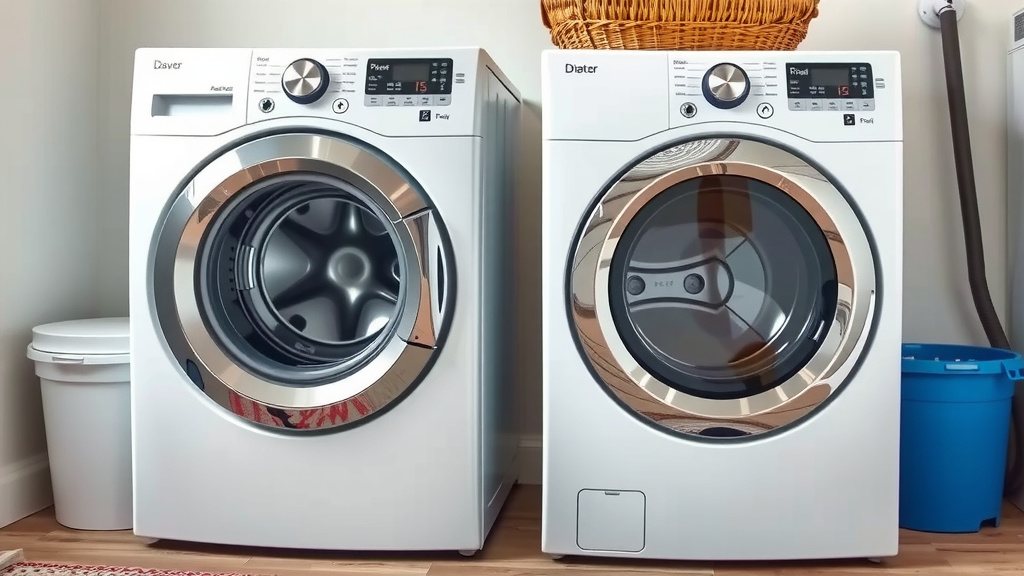
Electric Washer and Dryer vs. Gas: A Quick Comparison
While both electric and gas pairs perform the same core function, there are key differences to consider. The most obvious is the energy source. Electric models run entirely on electricity, while gas models use natural gas to heat the dryer and electricity for the motor and controls. We found this energy source difference has implications for installation and running costs.
| Feature | Electric Washer & Dryer | Gas Dryer (with Electric Washer) |
|---|---|---|
| Energy Source | 100% Electricity | Electricity for washer; Gas and electricity for dryer |
| Installation Requirements | Standard electrical outlet (often 240-volt for dryer) | Standard electrical outlet + dedicated gas line |
| Initial Cost | Generally lower upfront cost for the pair | Dryer unit can be more expensive; gas line installation adds cost |
| Running Cost | Can be higher if electricity rates are high | Often lower if gas rates are lower than electricity |
| Heating Speed | Dryer may heat up slightly slower | Dryer typically heats up faster |
One of the biggest advantages of an electric pair is that you don’t need a gas line. If your home doesn’t have one, installing one can be expensive. Most homes already have the necessary electrical hookups, though the dryer often requires a dedicated 240-volt outlet. We found that for many people, this lack of a gas line requirement simplifies the purchase and installation process considerably.
Tips for Using Your Electric Washer and Dryer
To get the most out of your electric laundry appliances, a few simple practices can make a big difference. These machines are built to last, but proper use ensures they perform optimally and efficiently.
- Sort your laundry properly. Separate whites, colors, and delicates. This prevents color bleeding and ensures each load gets the right wash and dry treatment.
- Don’t overload the machines. Both the washer and dryer need space for clothes to move freely. Overloading means less effective cleaning and drying, and can strain the motors.
- Use the right amount of detergent. Too much soap can leave residue on clothes and in your machines. Follow the detergent manufacturer’s recommendations.
- Clean the lint filter regularly. This is crucial for dryer efficiency and safety. A clogged filter restricts airflow, increases drying time, and is a fire hazard. We found cleaning it after every load is best practice.
- Check pockets! Small items left in pockets can damage both the appliances and your clothes.
- Select the appropriate settings. Using the correct temperature and cycle for your fabric types helps protect your clothes and saves energy.
Conclusion
You’ve learned that electric washers and dryers are a dependable and accessible laundry solution. They rely solely on electricity, making them easier to install in homes without gas lines. We found that understanding their heating elements and drying sensors can help you choose energy-efficient models. By sorting loads, not overloading, and cleaning filters, you ensure your machines run efficiently. Now that you know the basics, you’re well-equipped to select and use your electric laundry pair effectively.
Frequently Asked Questions
Do electric dryers use a lot of electricity?
Electric dryers do consume a considerable amount of electricity, especially on higher heat settings. We found that using sensor drying features can help manage this by shutting off the dryer once clothes are dry. Choosing the right cycle for your fabrics also prevents unnecessary energy use.
How long do electric washer and dryer units typically last?
With proper maintenance, you can expect most electric washer and dryer units to last between 10 to 13 years. Regular cleaning of the lint filter and not overloading the machines are key practices we found contribute to a longer lifespan.
Can I use an electric dryer if I only have a 120-volt outlet?
Most electric dryers require a dedicated 240-volt outlet to operate effectively. While some compact or portable models might work with a 120-volt outlet, they will likely dry clothes much slower. We recommend checking your dryer’s specific electrical requirements before installation.
What is the main difference in heating between electric and gas dryers?
The primary difference is the heat source. An electric dryer uses a large electric heating element, similar to a toaster, to generate heat. A gas dryer uses a natural gas burner for its heat source, with electricity powering the drum’s motor and controls.
Is an electric washer and dryer more affordable than a gas one?
Generally, the initial purchase price of an electric washer and dryer pair tends to be lower than a gas dryer paired with an electric washer. However, running costs can vary based on local electricity and gas prices; we found that gas can sometimes be cheaper to run if electricity rates are high.